


The Anticipation Before the Unveiling
The runway debut of a new creative director is fashion's equivalent of a blockbuster premiere, and the stakes for Chemena Kamali at Chloé were particularly high. The industry has been in a state of flux, searching for a clear direction after years of chasing
social media hype, catering to fleeting aesthetics, and struggling to define what luxury means today. Chloé, a brand with a powerful legacy of feminine, free-spirited style, had lost some of its clarity. Insiders and consumers alike were asking the same questions: Could Kamali recapture the magic? Would she create something new and exciting, or just a pastiche of the past? This anticipation wasn't just about one collection; it was a test case for whether a brand could find its soul again in a noisy, trend-saturated market.
A Return to Tangible Desire
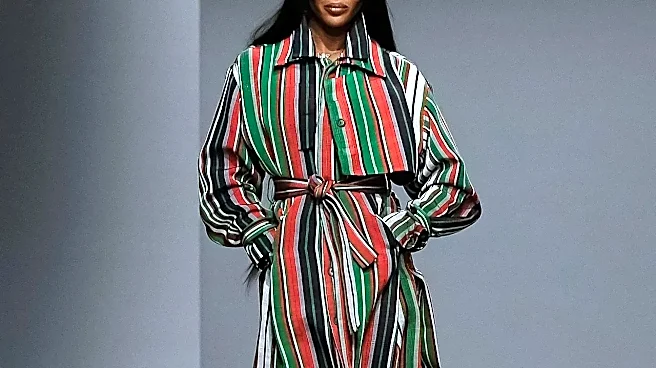
The first, and most crucial, lesson from the collection was a simple one: it all starts with the clothes. After a period where conceptual statements and unwearable 'moments' often overshadowed the product, Kamali's collection was a breath of fresh air because it was filled with pieces women would actually want to own and wear. The collection featured fluid silhouettes, diaphanous blouses with romantic ruffles, and practical yet chic leather boots. These weren't garments that required a lengthy explanation or an Instagram filter to look good; they were simply desirable. This pivot back to wearability signals a broader industry shift. A successful collection, as this debut reminded everyone, is one that creates an immediate, tangible desire, moving beyond abstract ideas and reminding people of fashion's primary function: to make them feel good in what they're wearing.
Performance as Brand Narrative
A fashion show is never just about clothes on a hanger; it's a performance. But the most effective performances are those that feel authentic. Kamali’s show was a powerful narrative tool. The casting, which included iconic Chloé faces from past eras like Jessica Miller and Doutzen Kroes alongside new models, wasn't just a stunt. It was a performance of legacy, connecting the brand's history to its present. The 'performance' extended to the emotional tone of the show—a feeling of freedom, ease, and confident femininity. Even the designer's final bow, where she was embraced by her young son, became an unscripted moment that reinforced the brand's celebration of women in all their roles. It showed that performance in fashion is most potent when it’s not an artificial spectacle but a genuine expression of a brand's core values.
Reinvention Through Reverence
Perhaps the most sophisticated lesson was in its approach to reinvention. Instead of wiping the slate clean, Kamali dove deep into the Chloé archives, drawing inspiration from Karl Lagerfeld's tenure in the 1970s and Phoebe Philo's influential era. The collection was full of familiar codes—bohemian dresses, iconic bag shapes, and a soft, earthy color palette—but they were reinterpreted for a modern audience. This wasn't lazy nostalgia; it was a respectful dialogue with the past used to build a confident future. It demonstrated that true reinvention doesn't require rejecting a brand's history. Instead, it can emerge from a deep understanding and appreciation of it, proving that looking back is sometimes the most powerful way to move forward. Kamali, who had previously worked at the house, used her own history with the brand to give the collection an authentic, heartfelt quality.