



In the vibrant, sprawling world of Oz, every detail tells a story. For the cinematic adaptation of 'Wicked', the filmmakers have built a universe where the very buildings and clothing aren't just background—they are characters in their own right.
An Oz Built with Real Bricks (and Tulips)
Production
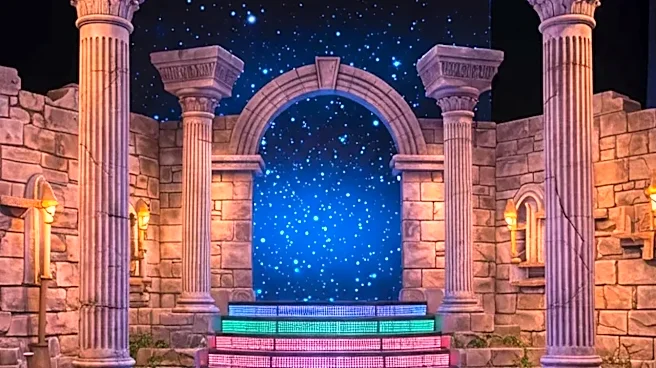
designer Nathan Crowley, known for his tangible, immersive worlds in films like 'The Dark Knight' and 'Interstellar', approached Oz with a commitment to realism. Instead of relying on a sea of digital effects, Crowley’s team built enormous, practical sets. Shiz University is a sprawling campus blending architectural styles from Venetian staircases to Moorish arches, designed to feel like a wondrous, ancient institution that students would dream of attending. Famously, the production planted nine million real tulips in England to create a vibrant, authentic Munchkinland where the flowers are used to dye clothes. The goal, according to director Jon M. Chu and Crowley, was to create an immersive space the actors could physically interact with, believing that real environments evoke more authentic performances. The Emerald City itself was inspired by the neoclassical 'White City' of the 1893 Chicago World's Fair, giving it an air of American fairy-tale grandeur mixed with imposing political power.
Architecture as Authority
The story told by Oz’s architecture is one of power, history, and often, oppression. The grand scale of Shiz, with its soaring spires and intricate halls, establishes a world of rules and tradition—a system that both Elphaba and Glinda must navigate. Later, the Emerald City’s polished, gleaming facade represents the Wizard's manufactured authority and control; it’s a beautiful but artificial illusion of prosperity. For the sequel, 'Wicked: For Good', Crowley designed Elphaba's exile home, Kiamo Ko, with a fascinating concept of 'floating' architecture, using upside-down arches to create a sense of unease and magical realism. This design choice makes the structure feel both feminine and fortress-like, a physical manifestation of Elphaba's defiant isolation. The architecture of Oz tells a macro-story about society, power structures, and the forces that shape its citizens.
The Fabric of a Soul
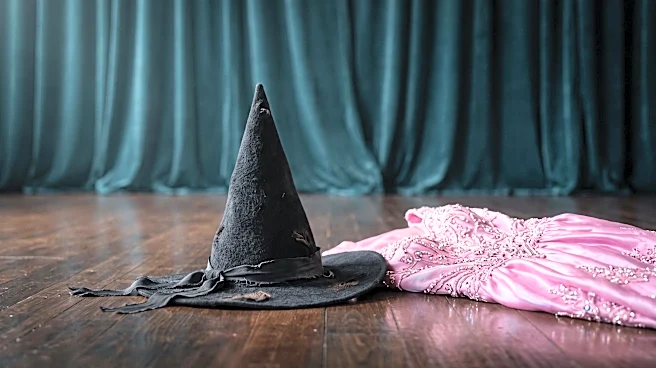
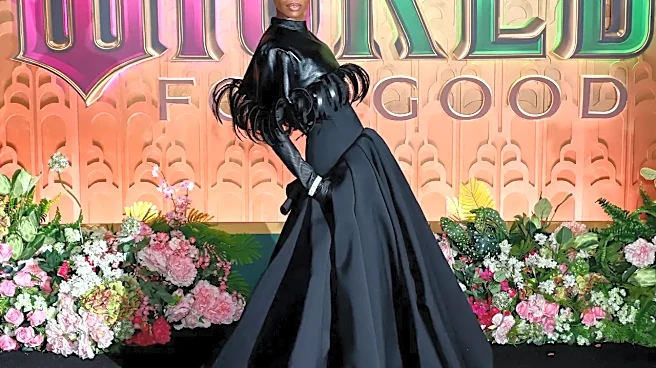
In contrast to the broad story of the buildings, the costumes, designed by Paul Tazewell, tell an intensely personal one. Tazewell, who won an Oscar for his work on the first film, sees clothing as the medium for character development. Glinda’s wardrobe, full of pinks, pastels, and iridescent fabrics, speaks to her initial vanity and desire for public approval. Her iconic bubble dress, inspired by the 1939 film, is an 'engineering feat' designed to be a sculptural, floating shape that reinforces her image as a figure of archetypal goodness. Yet, the corseted silhouettes Tazewell uses for both women also suggest a form of entrapment, hinting at the restrictive roles society forces upon them. Every outfit is a chapter in their internal journey, from school uniforms modified to express individuality to gowns that reflect their evolving relationship and inner turmoil.
A Tale of Two Narratives
Herein lies the fascinating tension: the architecture tells a story of the state, while the costumes tell the story of the individual spirit. Elphaba's clothing, for example, evolves from her 'restrictive' Shiz uniform to more organic, flowing, and powerful silhouettes that connect her to nature. Tazewell used details like the texture of mushrooms and layered fabrics to reflect her complexity and eventual embrace of her own power. This personal evolution is set against the backdrop of Oz's unyielding, monumental structures. While the buildings represent the rigid system of power and prejudice, her clothes show her personal rebellion and self-realization. Similarly, as Glinda becomes a 'propagandist figure,' her gowns become more elegant and beautiful, a tool of manipulation used by the state, even as the corsetry hints at her personal cage. The grand, impersonal story of the architecture and the intimate, emotional story of the costumes are in constant dialogue, sometimes clashing and sometimes aligning, perfectly mirroring the film's central theme of public perception versus private truth.