


The 1960s: An Anti-Fashion Statement
To understand disco's glamour, you first have to remember the deliberate lack of it that defined the late 1960s. The dominant youth culture was the hippie movement, and its style was a form of political protest. Clothing was a rejection of the mainstream,
consumerist fashion industry. The uniform consisted of natural fabrics like cotton, denim, and suede. Think bell-bottom jeans, peasant blouses, fringed vests, and tie-dye shirts—often handmade, second-hand, or sourced from military surplus stores. The look was layered, loose, and androgynous, prioritizing comfort and a connection to the earth. This aesthetic was deeply intertwined with the anti-war movement, civil rights struggles, and a collective desire for a more authentic, communal way of life. Fashion was about blending in with the tribe, not standing out as an individual.
The 1970s: An Escape into Glamour
After years of heavy political turmoil, economic anxiety, and social upheaval, the cultural mood began to shift. Many people, particularly those in marginalized urban communities where disco was born, craved an escape. The discotheque became that sanctuary—a fantasy world of pulsating lights, driving music, and unapologetic hedonism. If 60s fashion was for protesting in the streets, 70s disco fashion was a costume for the dance floor. The goal was no longer to reject the establishment, but to transcend reality for a few hours. Clothing became a tool for liberation and self-expression in a space where societal norms around race, class, and sexuality felt momentarily suspended. It was a pivot from the collective 'we' of the protest march to the individual 'me' under the disco ball.
From Natural Fibers to Synthetic Shine
The most direct rebellion was in the materials themselves. The 60s counterculture prized natural, breathable fabrics. Disco fashion, in contrast, embraced the man-made. New synthetic materials like Qiana, a silky nylon, Lycra, spandex, and polyester became the fabrics of a generation. These materials were not only affordable but also perfect for the disco environment. They stretched to create body-hugging, form-fitting silhouettes that allowed for freedom of movement on the dance floor. Most importantly, they shimmered. Fabrics like satin, lamé, and anything covered in sequins were designed to catch and reflect the kaleidoscopic lights of the club. The look was slick, artificial, and futuristic—a complete visual break from the handmade, earthy aesthetic of the hippies.
Individuality, Sex Appeal, and Standing Out
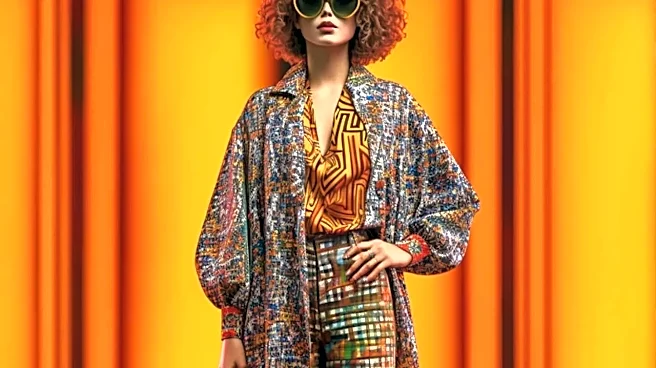
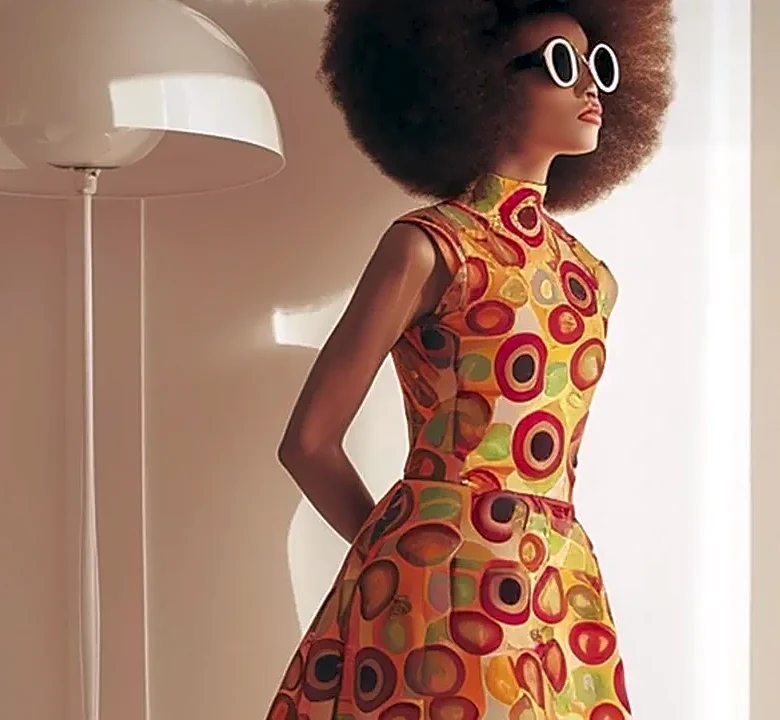
While hippie fashion often blurred gender lines with unisex ponchos and jeans, disco amplified sex appeal and individual peacocking for everyone. For women, this meant halter tops, hot pants, flowing Halston-style dresses with high slits, and sequined tube tops that revealed skin and celebrated the body. For men, it was tight, flared trousers, three-piece suits in bold colors, and silky, wide-collared shirts unbuttoned to the chest, often revealing gold chains. The silhouette was frequently tight on top and loose on the bottom, a look epitomized by John Travolta in "Saturday Night Fever." Unlike the communal vibe of a folk festival, the disco was a stage for personal performance. The point wasn't to be part of a movement; it was to be the person everyone watched. The fashion was a declaration of presence, confidence, and pure, unadulterated glamour.