






Understanding the Petite Apple
First, a quick refresher on the petite apple shape. This body type is characterized by having a fuller bust and midsection, with broader shoulders and slimmer legs and hips, all on a frame that's 5'4" or under. The styling challenge is twofold: creating
vertical lines to elongate a shorter frame while navigating how to flatter the midsection. Traditional advice focuses on creating the illusion of a more defined waist and balancing the broader upper body with the narrower lower body. This is where the so-called "rules" come from, and also where the confusion begins.
The Old Guard: The Rulebook of Balance
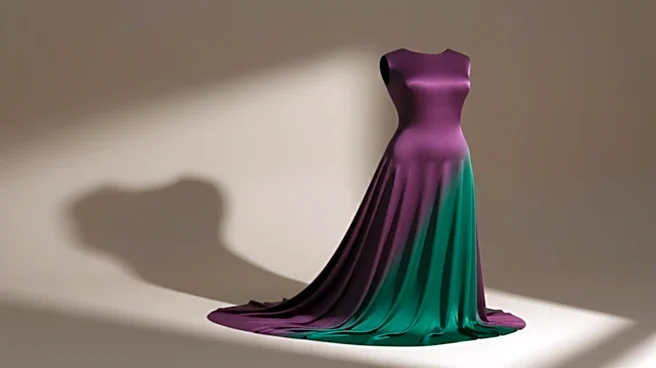
For decades, the dominant philosophy in styling was about correction and creating an idealized hourglass silhouette. For the petite apple, this school of thought has a clear set of directives. V-necks and scoop necks are prescribed to create a vertical line and draw the eye upwards, away from the midsection. Empire-waist tops and dresses are championed because they create a high waistline just under the bust, skimming over the tummy. A-line skirts and dresses are another go-to, as they flare out gently, adding volume to the lower body to create balance. The core principle here is camouflage and proportion-play: de-emphasize the waist, highlight the bust and legs. This approach forbids anything that adds bulk to the middle, like thick belts or boxy, shapeless tops.
The New Wave: Style as Self-Expression
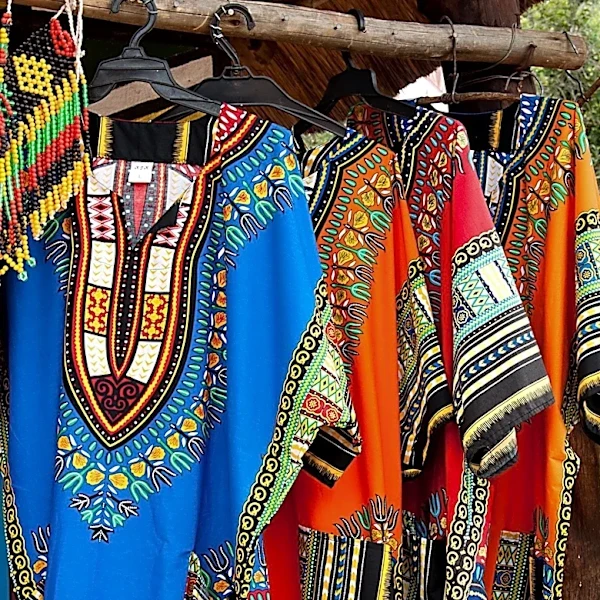
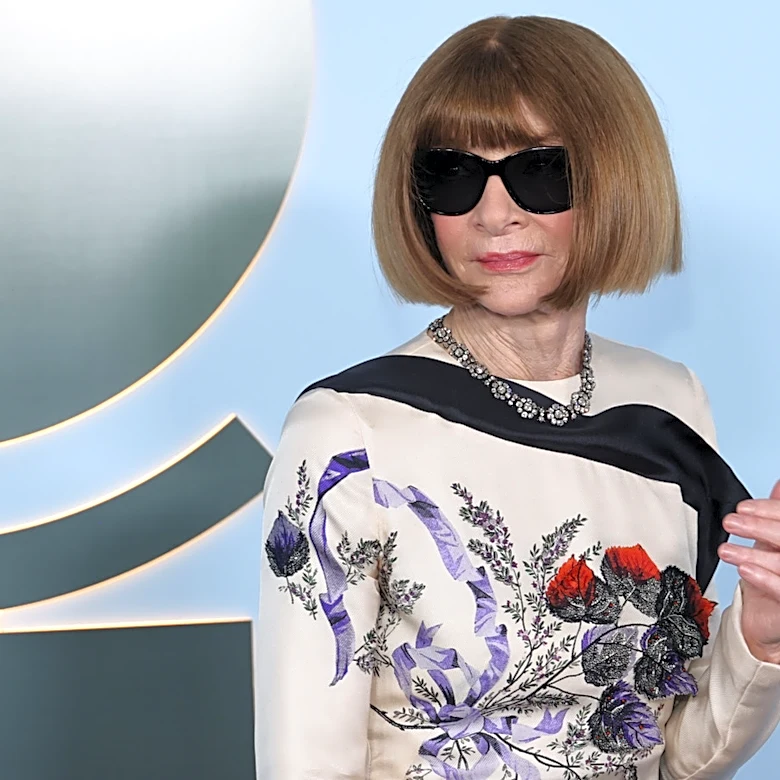
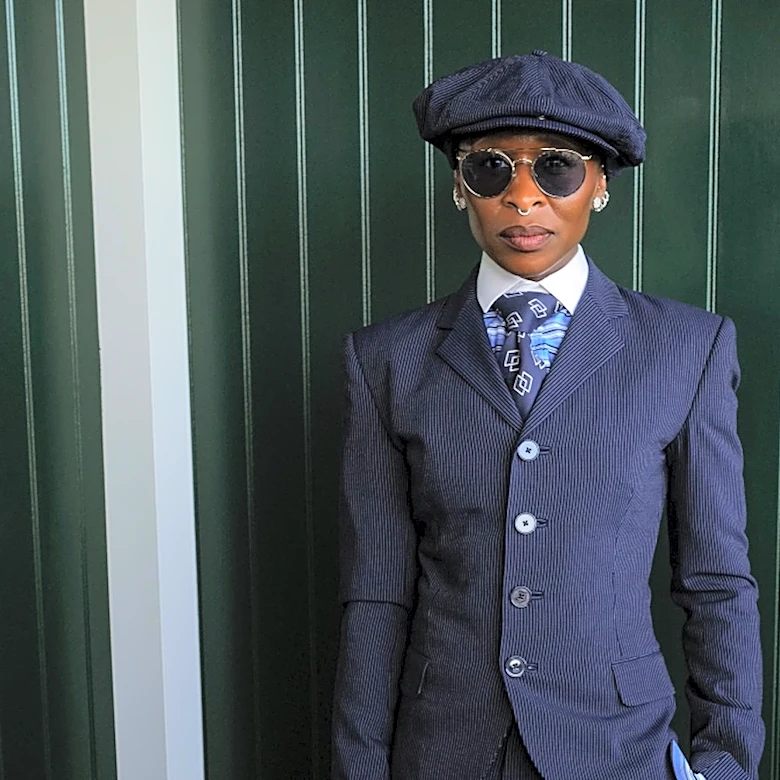
Here's where the disagreement really kicks in. A more modern, body-positive approach to fashion has been gaining momentum, arguing that personal style shouldn't be about hiding parts of yourself. This philosophy questions the very idea of a "mistake." Can it really be a mistake if you love how it looks and feel great wearing it? Stylists in this camp encourage women to break the old rules. They argue that an oversized or boxy top, which the old guard would forbid, can look incredibly chic and modern. They might suggest trying wide-leg trousers instead of the traditionally recommended skinny jeans to play with proportions in a new way. The focus shifts from "flattering" in the traditional sense to interesting, confident, and authentic. Some women find that high-waisted pants actually provide comfortable support, while others swear by a mid-rise to avoid creating a horizontal line across their midsection. The new wave says: there is no single right answer.
The Real Reason: Philosophy vs. Prescription
The real reason stylists disagree isn't because one group is right and the other is wrong. It's a fundamental difference in philosophy. The traditionalists are offering a prescription to achieve a specific, classic silhouette. Their goal is visual harmony and balance, and their rules are the time-tested formula to get there. The modernists are offering a philosophy based on personal expression and confidence. Their goal is for you to wear what makes you feel powerful and happy, even if that means embracing an unbalanced or unconventional silhouette. The disagreement arises when one camp presents its approach as the only valid one. The "mistake" isn't wearing a certain cut; it's believing there's only one way to dress your body.
How to Write Your Own Rules
So, how do you navigate this? By becoming your own stylist. Start with the traditional rules as a baseline—they exist for a reason and can be a helpful guide to understanding proportion. Try the V-necks and the A-line dresses. See how they make you feel. Then, consciously break those rules. Try a chic, slightly oversized sweater with slim pants. Experiment with a half-tuck into mid-rise jeans. Pay attention to fabrics; sometimes a flowy woven top will feel better than a clingy knit. The ultimate goal is to curate a personal style that feels like you. Maybe your style is a blend of both philosophies—a structured blazer (traditional) over a relaxed tee and wide-leg jeans (modern). The key is to shift your mindset from "what am I supposed to wear?" to "what do I want to wear?"