




The Draft-Night Red Carpet
The NBA and NFL drafts have evolved from a business transaction into a full-blown media spectacle. For the young athletes on the cusp of fame and fortune, the night is their professional debut. And just like on any red carpet, the fashion is a critical
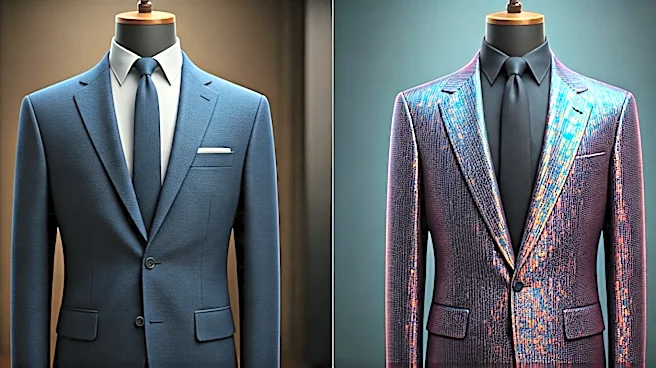
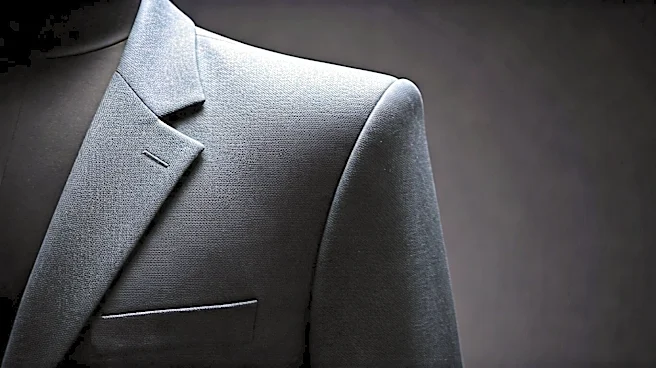
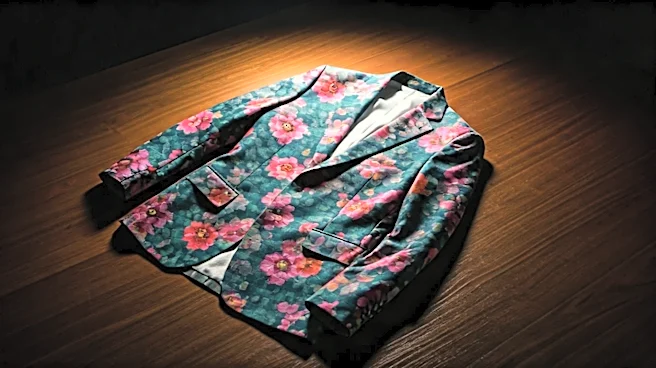
part of the performance. In recent years, a distinct silhouette has emerged from the sea of standard tailoring: the oversized, wide-shouldered suit. From Zaccharie Risacher’s dramatic white ensemble at the 2024 NBA Draft to looks seen on past prospects, the message is one of amplified presence. These aren't your dad’s conservative navy suits. They are bold, architectural, and intentionally space-consuming. They demand attention, but to understand why they’re appearing now, you have to look back four decades.
A Quick History of Power Dressing
The 1980s was the decade of ambition. On Wall Street, fortunes were made in minutes, and in corporate America, the glass ceiling was under assault. Fashion responded with the “power suit.” Originally designed to help women command authority in male-dominated offices, designers like Giorgio Armani and later Claude Montana and Thierry Mugler built jackets with formidable shoulder pads. They created an inverted triangle shape, a silhouette that projected strength, seriousness, and a refusal to be overlooked. Think of Melanie Griffith in *Working Girl* trading her softer clothes for a commanding blazer, or the lavishly padded shoulders of Joan Collins in *Dynasty*. The suit was armor. It was a tool for visual negotiation, a way to say, “I belong here, and I mean business” without uttering a word.
From the Boardroom to the Big League
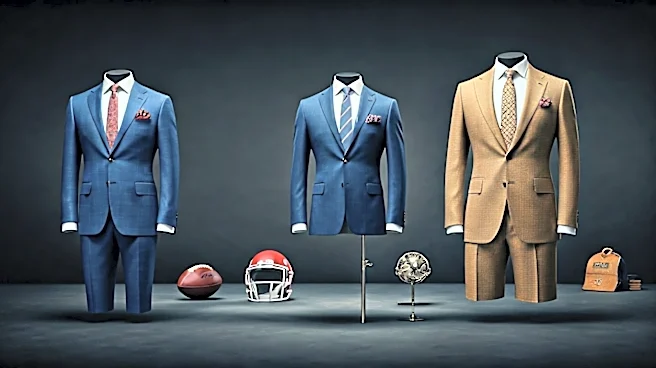
So why are 20-year-old athletes, most of whom see the '80s as ancient history, channeling this specific aesthetic? Because the core motivation remains the same, even if the context has changed. The draft is the modern athlete’s boardroom. It’s the moment they transition from amateur to professional, from a kid playing a game to the CEO of their own personal brand. The original power suit was about fitting into an existing power structure. Today’s version is about establishing a *new* one. These athletes aren’t just joining a team; they are launching a global enterprise. They arrive with endorsement potential, social media followings, and a carefully cultivated image. The suit is their new uniform, and the exaggerated shoulders signal that they are ready to carry the weight of a franchise, a city, and their own burgeoning empire.
It's Not a Costume, It's a Statement
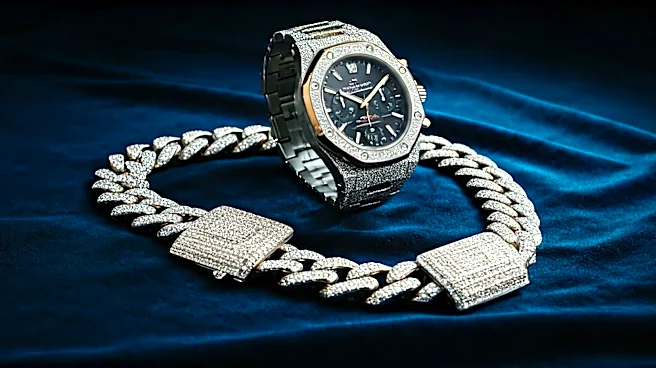
Crucially, this isn't a simple '80s revival party. The modern draft-night power suit is a reinterpretation. The fabrics are often softer, the trousers might be wider or more creatively cut, and the look is styled with a contemporary swagger—often worn shirtless or with expensive jewelry instead of a power tie. This is not about conforming; it’s about standing out with historical awareness. It shows a fluency in the language of style. By referencing the '80s power suit, a young player signals confidence, a certain defiance, and an understanding that their career is as much about performance and image as it is about points and stats. In an era where every moment is captured and broadcast on Instagram, looking powerful is the first step toward being powerful.