





The Two Sides of the Screen
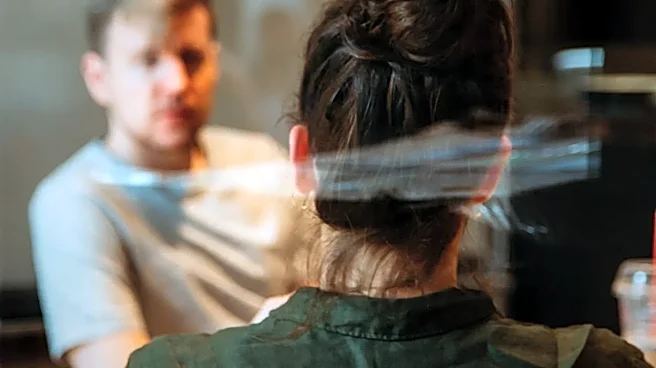
On one side, you have the Book Purists. They’ve read the source material, possibly multiple times. They come armed with dog-eared paperbacks and an encyclopedic knowledge of lore that was cut for time. For them, watching the finale is an exercise in comparison,
a final judgment on whether the showrunners stuck the landing or betrayed the author's sacred text. On the other side are the Adaptation-First Viewers. They experience the story with fresh eyes, free from the burden of expectation. Every twist is a genuine shock, every character's fate a surprise. They get to experience the story as a purely cinematic event, exactly as the director and writers intended for a viewing audience. For them, the book is something to pick up later, an expanded universe to explore after the main event is over.
The Case for the Book Purist
The argument for reading first goes far beyond simply knowing what’s coming. For purists, reading is an act of co-creation. Their imagination casts the characters and builds the world long before a casting director or CGI artist does. The book offers an unfiltered connection to the author's intent, complete with inner monologues, nuanced subplots, and detailed backstories that a two-hour movie or even a ten-episode season can't possibly contain. To a purist, an adaptation is just one interpretation out of millions, and watching it first means letting someone else's vision overwrite your own. It’s not about being a snob; it's about preserving the personal, intimate experience of discovering a story on your own terms. They see the book as the definitive story, and the adaptation as, well, an adaptation.
In Defense of the Adaptation-First Viewer
Adaptation-first viewers aren't lazy; they're prioritizing a different kind of experience. They want the undiluted thrill of the reveal, the shared gasp with millions of others watching live, and the joy of a spoiler-free journey. There's no room for disappointment that a favorite side character was cut or a beloved chapter was altered, because they have no checklist to begin with. This approach allows the show or movie to be judged on its own merits as a piece of visual storytelling. Furthermore, for some, watching first can make the book more accessible. It provides a visual framework and clarifies complex plot points, turning the subsequent read into a richer, more detailed exploration rather than a daunting task.
It’s Not Spoilers, It’s Ownership
At its heart, this debate isn't just about the order of consumption. It’s about a feeling of ownership. Readers who spend dozens of hours in a fictional world develop a deep emotional connection to it. Psychology suggests this is partly due to "effort justification"; the mental work required to read a dense novel makes the story feel more valuable and personal. When an adaptation changes core elements, it can feel like a violation of that personally-built world. Conversely, the show-first viewer becomes a fan of a specific execution—a particular actor's performance, a director's aesthetic, a composer's score. The debate becomes a proxy war over which version is the “real” one. George R.R. Martin, author of the books behind "Game of Thrones," has noted that while adaptations can be great, they are a different beast than the source material, and changes are inevitable.
The Modern Media Middle Ground
In the end, there is no right answer. The book was not necessarily better, nor was the show. They are different art forms, each with unique strengths. A book can delve into a character's psyche in a way a film can't, while a film can use visuals and music to create an immediate, visceral emotional impact that words alone may not achieve. In today's saturated media landscape, successful adaptations often drive new audiences back to the original books, creating a symbiotic relationship. The persistent debate after a finale isn't a sign of a toxic fandom; it's the mark of a story so compelling that people are passionate enough to argue about how best to experience it. Whether you read it first or watched it unfold on screen, you cared. And in the world of storytelling, that’s the only victory that truly matters.