




The Problem of Perfect Endings
Let’s be honest: skepticism around *Toy Story 5* is justified. *Toy Story 3* delivered a soul-crushing, perfect farewell, a cinematic gut-punch about growing up and letting go that left an entire generation of viewers misty-eyed in the theater. Then,
against all odds, *Toy Story 4* provided a surprisingly thoughtful epilogue for Woody, exploring what happens *after* you’ve fulfilled your primary purpose. It reframed his identity from being Andy’s toy to being a “lost toy” dedicated to helping others, giving him a quiet, noble retirement. So, where do you go from there? Another heist? Another new owner? The narrative ground feels thoroughly covered, and retreading it risks diluting the power of those finales.
Remember 1995?
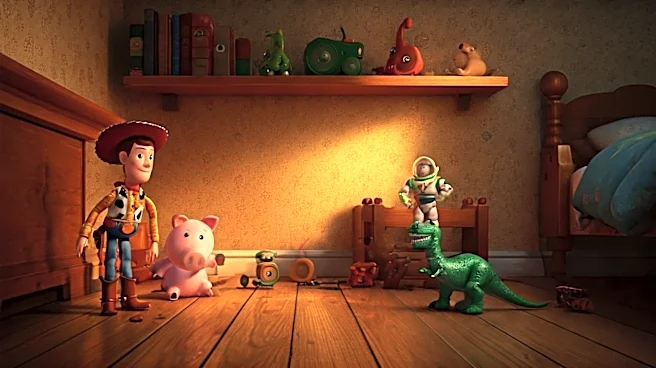
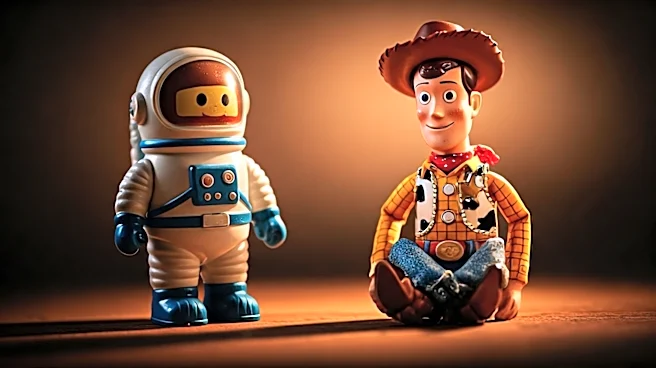
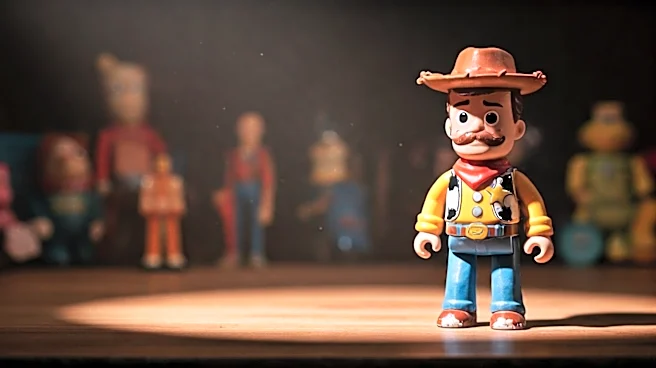
To understand the opportunity, you have to rewind. The original *Toy Story* wasn’t just a great movie; it was a watershed moment. For kids in the mid-90s, it was pure, unadulterated magic—the first feature-length proof that our toys had rich inner lives when we weren’t looking. The computer animation felt like a glimpse into the future, but the story was timeless. It was a buddy comedy wrapped in an adventure, built on a simple, powerful premise: what happens when your place in the world is suddenly threatened by someone new? Woody’s terror of being replaced by Buzz Lightyear was the emotional engine of the entire film. It was a childhood anxiety made real, a deeply relatable fear of losing your status as the favorite.
The Anxiety of Replacement, All Grown Up
Herein lies the secret weapon. The kids who felt Woody’s panic in 1995 are now in their 30s and 40s. They’re no longer worried about being a favorite toy; they’re dealing with the adult version of that same anxiety. They’re navigating careers where they fear being replaced by younger, shinier “Buzz Lightyears” with new skills. They’re becoming parents, their role shifting from the child to the caregiver. They’re watching the world they grew up in change at a dizzying pace. The core theme of the first *Toy Story*—the fear of obsolescence and the struggle to find your value when the world moves on—is no longer a childhood fantasy. For the original audience, it’s now deeply, personally real. Pixar doesn't need to invent a new feeling; it just needs to tap into the one it planted in us 30 years ago.
Nostalgia as a Narrative Engine
*Toy Story 5* could be the first film in the series made explicitly for the generation that started it all. Imagine a story where Woody and Buzz, now older and settled in their respective lives, confront a new kind of existential threat. Not a malevolent toy or a careless child, but the simple, quiet fading of relevance. What if the film mirrored the first one’s plot, but with adult stakes? Instead of a shiny new toy, the threat could be the world simply forgetting them. This isn't just about lazy fan service or dropping Easter eggs. It's about using nostalgia as a narrative shortcut to profound emotional resonance. By directly engaging with the themes of the first film, *Toy Story 5* can connect with its original audience on a level the other sequels couldn't, transforming a cash-grab sequel into a meaningful, full-circle reflection on a lifetime of change.