








In television, “slow-burn” can be a death sentence, code for a story that takes too long to get going. Yet Apple TV+'s Severance turned its deliberate, methodical pace into a primary source of heart-pounding tension and urgency.
The Tangible Mystery
A key reason Severance
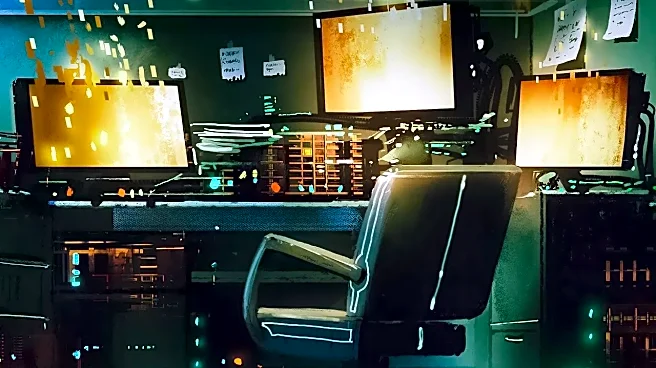
works is that its world-building, while mysterious, is intensely physical and rule-based. The story isn't just about a vague conspiracy; it’s about the bizarre, tactile reality of the “severed” floor. The endless, sterile hallways, the retro-futuristic computers, the cult-like reverence for founder Kier Eagan, and the baffling reward systems like waffle parties and finger traps are all concrete details. These elements ground the show's high-concept premise. The central job of the Macrodata Refinement division—sorting “scary” numbers on a screen—is absurd, yet the characters’ confusion and fear make it feel deeply important. Instead of asking viewers to invest in an abstract puzzle, the show gives them a world with defined, albeit insane, rules. This makes the unknown feel less like a writer’s trick and more like a solvable, physical space the characters are trapped in, making their escape attempts feel immediate and crucial.
A War Within a Single Mind
The show’s true engine of urgency is the psychological split within its protagonist, Mark Scout. We follow two versions of him: “Outie” Mark, who is grieving the death of his wife, and “Innie” Mark, a naive, office-bound version of himself with no memories or personal history. Innie Mark is essentially a newborn, and his entire existence is the office. His dawning consciousness and slow rebellion aren't just plot points; they are a fight for personhood itself. The central conflict isn't against a distant villain but is an internal war for identity and freedom. The “innie” employees realize they are in a prison their other selves willingly created, a horrifying existential trap. This internal struggle creates a powerful sense of claustrophobia and desperation. Every small act of defiance from Innie Mark feels like a massive victory because he’s not just breaking a rule; he’s building a self from scratch.
Corporate Satire as Existential Dread
While shows like The Office mined corporate culture for laughs, Severance mines it for existential horror. The hollow buzzwords, the forced team-building exercises, and the passive-aggressive management style are all dialed up to a terrifying degree. Lumon Industries' culture of complete control, disguised as benevolent corporate wellness, is a brilliant satire of modern work-life balance anxieties. The “innie” employees are treated like children, with their entire reality managed by a company that has stripped them of their autonomy. This isn't just a commentary on bad jobs; it's an exploration of what happens when the professional persona completely consumes the individual. The unsettling quiet of the office and the bizarre, almost religious corporate mythology create a constant, simmering dread. The urgency comes from the creeping realization that this exaggerated world is uncomfortably close to our own anxieties about workplace dehumanization.
Every Clue Is an Earthquake
Many slow-burn shows are criticized for withholding information and having entire episodes where nothing seems to happen. Severance avoids this by making every tiny discovery feel monumental. Because the “innies” know nothing of the outside world, the smallest clue—a hidden map, a photograph, or a name overheard—has explosive consequences. The narrative isn't just about finding answers; it's about watching the characters process information that shatters their entire understanding of reality. This drip-feed of information makes each reveal land with maximum impact. The show trains the audience to pay close attention, knowing that any small detail could be the key that unlocks the whole mystery. This culminates in a masterfully executed season finale cliffhanger, where the slow-burn pacing pays off in a burst of frantic, urgent revelations that re-contextualizes everything that came before, leaving viewers desperate for more.