


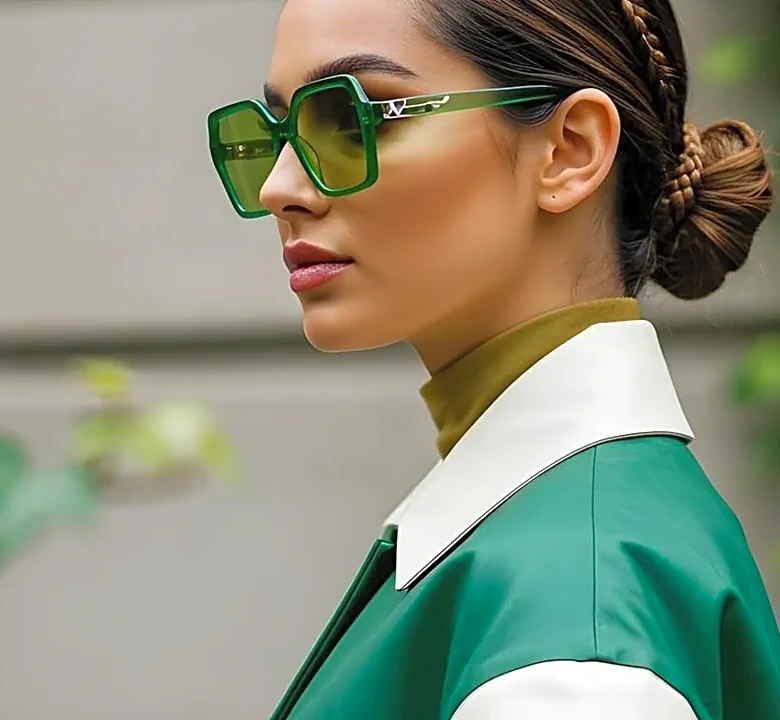
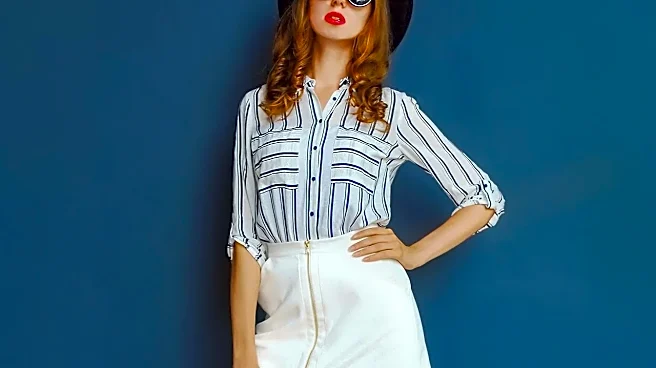
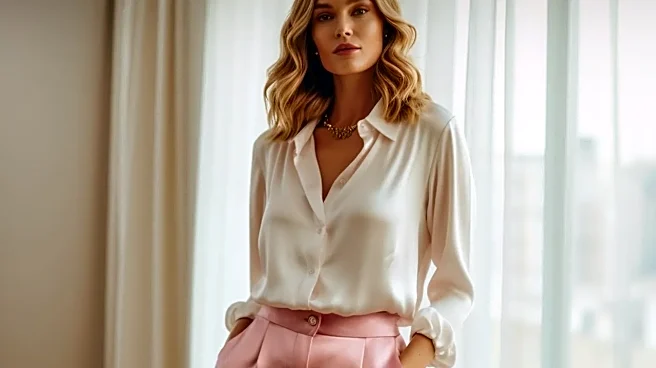
Start with a Streamlined Foundation
The secret to successful layering is what lies beneath. Runway looks often play with extreme volume, but for a work event, your base layer should create a smooth, clean line. Opt for thin, well-fitted pieces like a silk shell, a fine-gauge knit turtleneck,
or a simple bodysuit. These items provide coverage and a touch of texture without adding bulk, ensuring that any subsequent layers drape correctly. Think of this first piece as the canvas; it should be comfortable and sleek, allowing the other elements of your outfit to shine without competing for space or creating lumps. A proper fit here is non-negotiable for a polished result.
Master the 'Third Piece' Rule
The easiest way to add a layer of professional polish is by incorporating a 'third piece'. This is typically a blazer, a structured vest, or a sophisticated cardigan that you add over your base top and bottom. For a work event, a well-tailored blazer is almost always a winning choice, as it communicates authority and attention to detail. It instantly elevates even simple trousers or a dress. A longline vest can achieve a similar effect, adding a vertical line that elongates your silhouette. The goal of this piece is to add structure and intention to your look, signaling a transition from daily office wear to a more considered event outfit.
Play with Texture, Not Volume
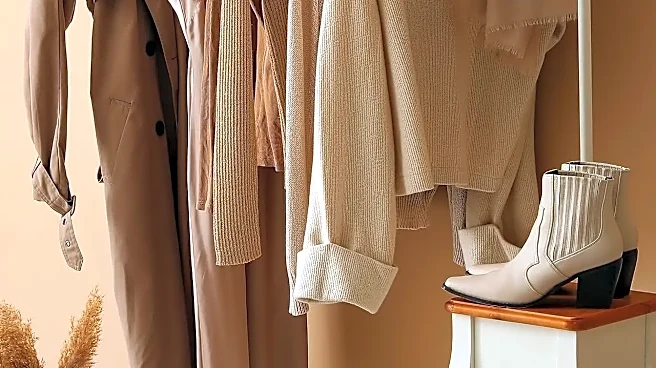
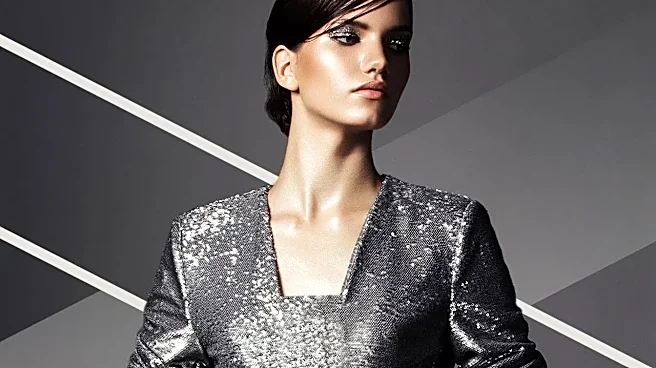
Runways mix textures boldly, and this is a principle you can easily borrow. Instead of piling on bulky fabrics, create interest by pairing different material finishes. Imagine a silk camisole under a wool blazer, a cashmere knit with leather trousers, or a ribbed top under a satin skirt. These combinations add visual depth and a sense of luxury without making you look or feel bulky. Sticking to a cohesive color palette, such as monochrome or neutral tones, allows the textural differences to become the main focus, ensuring the overall effect is chic and not chaotic.
Be Mindful of Proportions
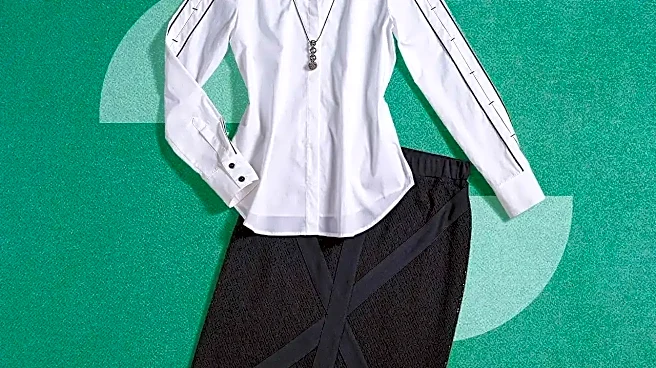
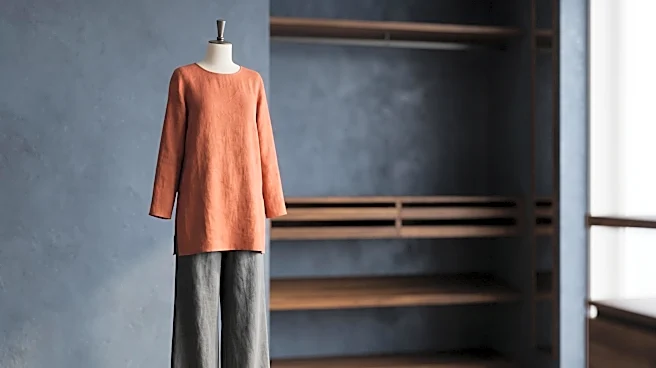
Layering is a game of proportion, and balance is crucial to avoid looking overwhelmed by your clothes. If you opt for a voluminous piece on top, like an oversized blazer, keep the bottom half slim and tailored with fitted trousers or a pencil skirt. Conversely, if you're wearing wide-leg trousers, pair them with a more fitted top. The idea is to balance the silhouette. A simple trick is to define your waistline. Tucking in a blouse or adding a belt over a dress or blazer can prevent the layers from looking shapeless and ensures your figure isn't lost.
Accessorize as a Final Layer
Accessories can act as your final, and often most impactful, layer. A thoughtfully chosen scarf, a statement belt cinched over a jacket, or a piece of architectural jewelry can tie your entire look together. These elements add a point of interest and personality without adding physical bulk. For a work event, keep accessories clean and minimal to maintain a professional appearance. Consider them the finishing touch that shows your outfit was deliberately styled. A great bag or a polished pair of shoes can also ground the look and reinforce its professional, yet fashionable, tone.
The Final Edit: When in Doubt, Subtract
The most important difference between runway styling and real-world dressing is the final edit. Before you walk out the door, take a moment to assess your look. Does it feel comfortable? Can you move easily? Does the outfit feel like a thoughtful composition, or just a pile of clothes? High fashion often embraces the idea that more is more, but for a professional setting, the opposite is true. If your look feels too busy or complicated, it probably is. The goal is to appear polished, not overwhelmed. Removing one accessory or one non-essential layer can often be the final step that perfects the entire outfit.