

No Lineups, No Sponsors, No Ads
The first thing to understand about Burning Man is its fierce commitment to being a non-commercial space. One of its Ten Principles is "Decommodification," which seeks to create an environment free from transactions, advertising, or corporate branding.
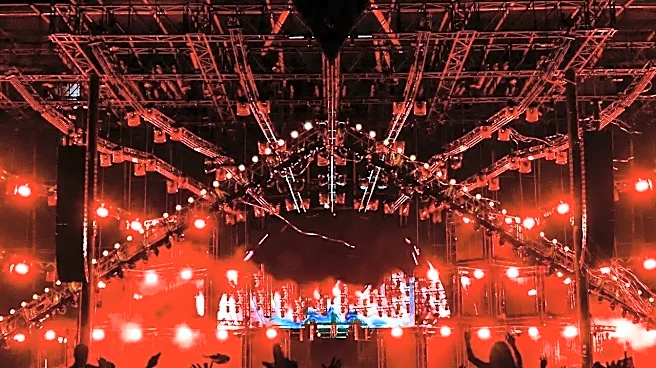
Unlike virtually every other large-scale gathering, there are no official acts to book, no tickets to see a specific DJ, and no branded stages. The organization itself doesn't schedule performers. This intentionally creates a cultural vacuum where the consumer mindset—being sold an experience—is replaced by something else entirely. It forces a shift from passive consumption to active participation. The experience isn't curated for you by a promoter; it must be built by you and everyone else there.
Everything Is a Gift
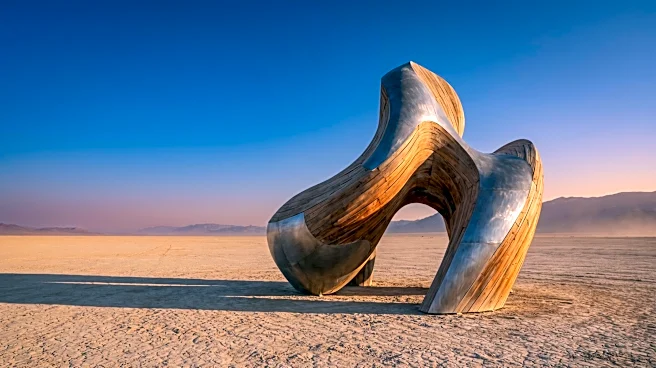
So, if nothing is for sale, where does all the entertainment come from? The answer lies in another core principle: "Gifting." Every performance, art installation, and pop-up experience is a gift from one participant to another, offered with no expectation of getting something in return. A DJ might spend thousands of their own money to build a massive sound stage and play for free. A theme camp might construct an elaborate roller disco or a pop-up grilled cheese sandwich stand, simply for the joy of sharing it. This "gift economy" is the engine of Black Rock City. It’s not just about physical items; it includes art, music, food, and experiences. Performers and artists are attendees first, sharing their talents as their contribution to the temporary city.
The Magic of Serendipity
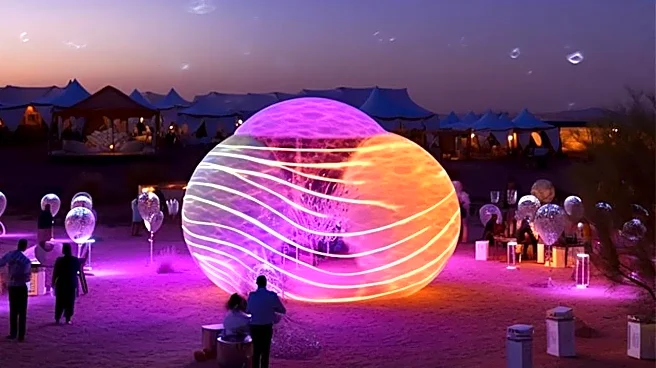
This structureless, gift-based model is precisely why the entertainment feels so magical when you stumble upon it. Without a schedule to follow or a map of must-see attractions, discovery becomes the primary mode of experiencing the event. You might be biking across the open desert and be drawn toward the sound of a full orchestra playing, or follow a glowing, whale-shaped art car that has a dance party happening on its back. These moments feel personal and earned because they aren't part of a pre-packaged itinerary. The joy comes from the serendipity of the find and the knowledge that it was created by fellow attendees purely as an act of expression and community. This fosters a sense of wonder that can't be replicated in a commercial setting where your experience is planned down to the minute.
Your Neighbors Are the Main Stage
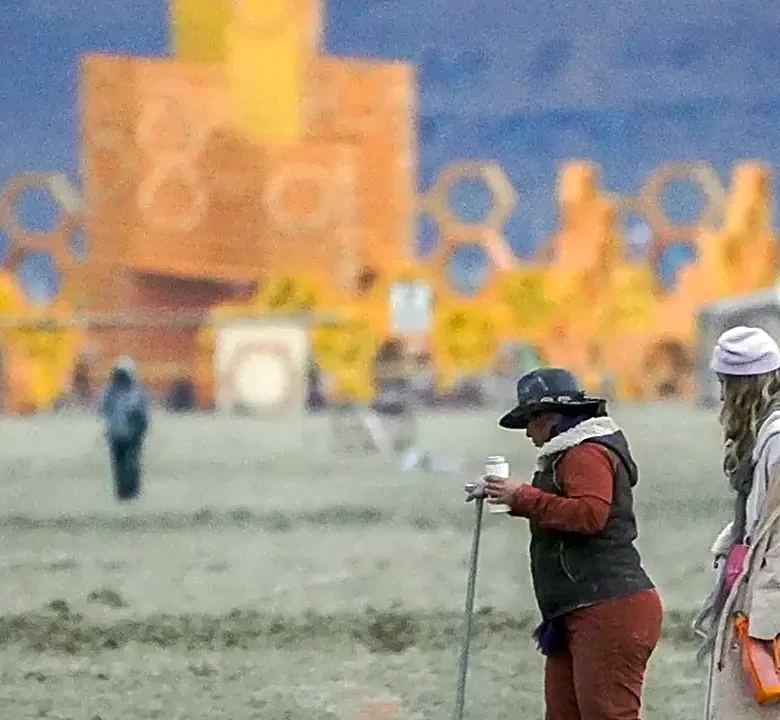
The heart of this discovered entertainment lies with theme camps and mutant vehicles. Theme camps are groups of participants who band together to offer an interactive experience to the city. These can range from a camp offering mixology lessons to another hosting a 'Mad Max'-style Thunderdome. They are the neighborhoods of Black Rock City, and their public-facing offerings are the de facto entertainment. Similarly, "mutant vehicles," or art cars, are elaborately modified vehicles that roam the desert, often acting as mobile sound systems, lounges, or performance stages. You might find yourself dancing behind a fire-breathing octopus or climbing aboard a giant sailing ship on wheels. These participant-created attractions, big and small, form a chaotic, ever-changing landscape of experiences that ensures no two people have the same adventure.