

It’s a Battle of Anatomy and Gravity
The core of the issue is a mismatch between your body, your pants, and your belt. A belt's primary job isn't actually to hold your pants up, but to cinch the waistband in so it can rest on your hips. If your waist is narrower than your hips, a belt has
a natural ledge to work with. But for many body types, especially those with a flatter seat or a less defined waist-to-hip ratio, there’s no stable platform. The belt, squeezed by your waist, is simply looking for the path of least resistance, which often means sliding up or down to find the narrowest point it can settle into. It's a simple game of physics where your body’s unique geometry dictates the rules.
The Waist vs. The Rise
A major culprit is the confusion between your 'natural waist' and where you actually wear your pants. Your natural waist is the narrowest part of your torso, typically above your belly button. However, most modern pants—especially jeans—have a mid-rise or low-rise cut, meaning the waistband is designed to sit on or below your hip bones. When you try to wear a belt at your natural waist with low-rise pants, you’re fighting the garment's design. The belt will want to slide down to meet the waistband. Conversely, if you wear a belt on your hips with high-rise pants that are a bit loose, the whole assembly might try to creep up toward your narrower natural waist.
Not All Belts Are Created Equal
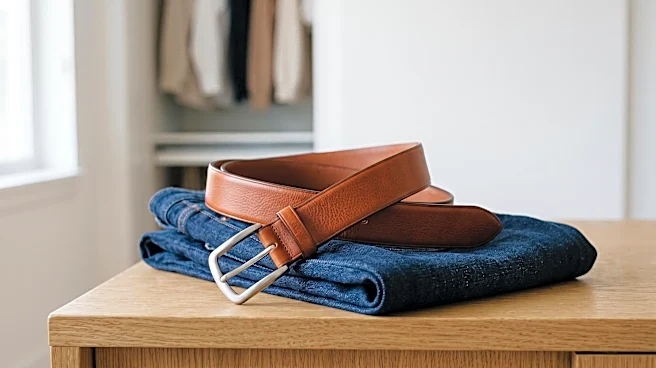
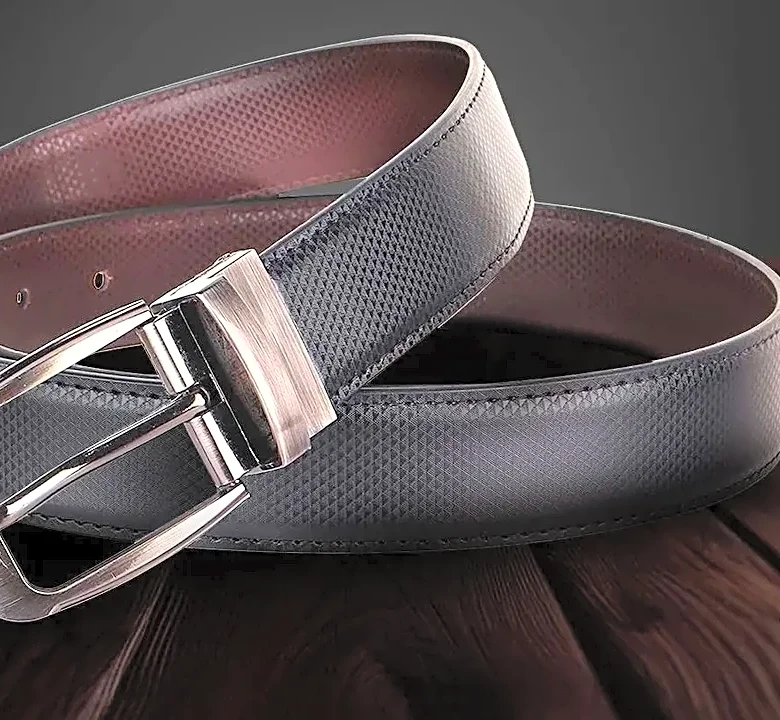
The belt itself plays a huge role. The material, width, and stiffness all affect its ability to stay put. A stiff, thick leather belt is less likely to conform to the curves of your body, which can cause it to gap or slide. In contrast, a woven or braided belt has more flexibility and can mold to your shape better. The width also matters. A wide belt on a person with a short torso can feel restrictive and may get pushed up or down by movement. A very thin belt on a larger frame can dig in and may not have enough surface area to create the friction needed to stay in place. High-quality materials like genuine leather tend to perform better over time, as they can mold to your body, whereas cheaper, stiffer materials often resist conforming.
The Unsung Hero: Belt Loops
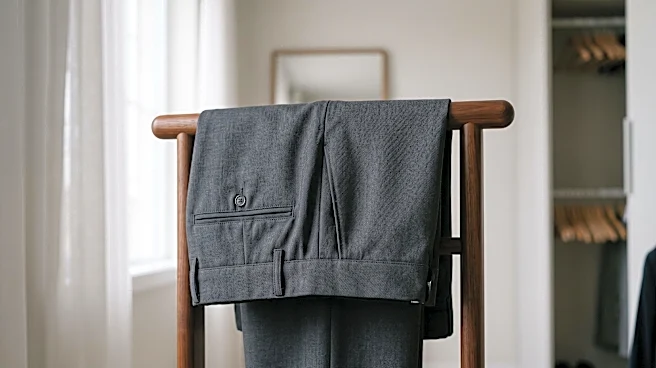
Often overlooked, belt loops are the anchors of the entire system. Their number and placement are critical. Pants with only five loops, or loops that are widely spaced, offer fewer points of contact to hold the belt steady. More loops, especially those placed strategically at the sides and center back, provide better stability and prevent the belt from riding up above the waistband. Some high-end trousers even feature side-adjusters instead of belt loops, which are built into the waistband to offer a clean look and a secure fit without needing a separate belt at all. The height of the loops also needs to match the width of your belt; a thin belt in a wide loop has too much room to move around.
Finding Your Belt-Fit Harmony
Solving the mystery of the moving belt is about creating harmony between these three elements. First, pay attention to the rise of your pants and choose a pair that sits comfortably on your body without needing a belt to do all the heavy lifting. Second, select a belt that complements both your body type and the pants. If you have an hourglass figure, a medium-width belt at your natural waist can highlight your shape. If you have a straighter figure, a belt that matches the color of your pants can create a seamless look without cutting you in half visually. Finally, make sure the belt is the right size—ideally, it should fasten on the middle hole, leaving just a modest tail.