





Inspiration and Appreciation: The Good Stuff
Let’s start with the positive: cultural appreciation. This is when you seek to learn about and understand another culture to broaden your perspective. It’s a form of exchange and engagement rooted in respect. Think of it as participating with, not performing
as. This could mean buying a handmade piece of jewelry directly from a Native American artist, learning the history behind it, and giving credit where it's due. Or, if invited to a friend's wedding, wearing traditional attire as a sign of respect is a form of genuine participation. Appreciation honors a culture, often by ensuring the people from that culture have control over how their traditions are shared. It’s about learning, listening, and engaging from the inside out, often with permission and always with context.
When It Crosses Into Stereotype
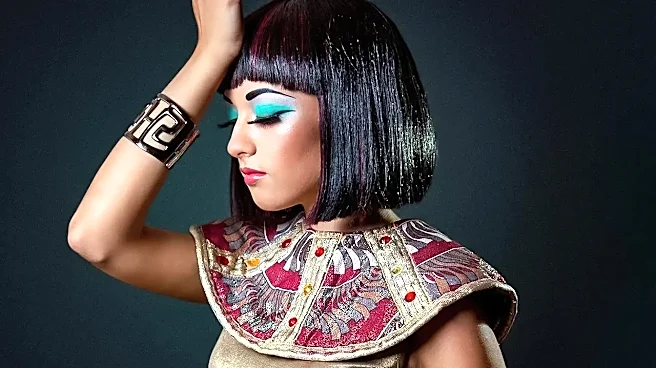
Cultural appropriation, on the other hand, is taking elements from a culture that is not your own without permission or understanding. This often happens when a member of a dominant culture borrows from a marginalized one. The issue is compounded by power imbalances; it’s taking the 'cool' parts of a culture while being shielded from the discrimination its members face daily. A costume becomes a stereotype when it reduces a rich, nuanced culture to a caricature, like pre-packaged 'pow wow princess' or 'tequila shooter guy' outfits. These costumes often rely on exaggerated or false representations, ignore sacred meanings, and perpetuate harmful stereotypes that have real-world consequences, such as the hypersexualization of Indigenous women.
A Quick Test: How to Tell the Difference
It can feel complicated, but asking a few simple questions can clear things up. Before you choose an outfit inspired by another culture, pause and consider the following: 1. What is the source? Is this a mass-produced, generic costume from a party store, or is it an authentic item you obtained respectfully from the source community? 2. What is the significance? Is the item you want to wear a sacred religious object, like a Native American headdress, or a symbol with deep historical context? If an item is earned or holds spiritual weight within a culture, it’s not for others to wear as a fashion accessory. 3. Is it a caricature? Does the costume turn a group of people into a joke or a one-dimensional character? Costumes depicting an entire ethnicity, like a 'señorita' or 'geisha', often rely on harmful, inaccurate stereotypes. 4. Am I changing my skin? Using makeup to alter your skin tone to appear as a member of another race is never okay. The same goes for adopting culturally significant hairstyles.
Culture Is Not a Costume
Many people argue that it’s 'just for fun' and no harm is intended. But the impact matters more than the intent. For many, a culture isn't something that can be taken off at the end of the night; it's a lived identity that they may have been mocked or punished for expressing. Dressing as a fictional character who happens to be from a particular culture, like Moana, is generally seen as okay, especially when celebrating the character's story and spirit. The line is crossed, however, when you try to perform the character's race or wear sacred symbols without understanding. Ultimately, if you find yourself on a thin gray line between a costume idea and someone else’s culture, the most respectful choice is to pick something else. There are endless creative options that don't come at the expense of another's identity.