



First Off, The Book Is 'Fake History'
The most important thing to understand is the nature of George R.R. Martin’s *Fire & Blood*. It’s not a traditional novel. It's written as a historical account by a maester named Gyldayn, who is piecing together the Targaryen dynasty long after the events
of the show. He relies on conflicting sources: the accounts of a court fool named Mushroom, a stuffy Grand Maester, and so on. This means the book often presents different versions of the same event, saying things like, “Some claim the Queen said this, while others insist she did that.” What does this mean for you, the viewer? The show is the definitive version of the story. When the show depicts a private conversation between Rhaenyra and Alicent, it’s not an “adaptation”; it’s the showrunners choosing one possibility and making it canon for their series. It gives them creative freedom and makes the on-screen events the ultimate truth for the television universe.
The Greens vs. The Blacks: It's About More Than Ambition
The show frames the central conflict as Rhaenyra’s faction (the “Blacks”) versus Alicent’s faction (the “Greens”). But the book makes it clear this isn't just a family squabble. It’s a clash of cultures. Rhaenyra and the Blacks represent the old guard of Valyrian exceptionalism. They have the dragon blood, the Targaryen traditions of incest to keep the bloodline pure, and a certain Targaryen arrogance. They are the past. Alicent and the Greens, led by her father Otto Hightower, represent the “new money” of Westeros. They are champions of the Faith of the Seven, the dominant religion of the Seven Kingdoms. Their power base is in Oldtown, the center of both faith and knowledge (where the maesters train). By pushing for Aegon II, a king with “Andal” blood on his mother’s side, they are trying to integrate the Targaryen monarchy more fully into the fabric of Westeros. It’s tradition vs. assimilation, framed as a succession crisis.
Why Viserys Was a Worse King Than You Think
The show portrays King Viserys I, played sympathetically by Paddy Considine, as a good man trying his best in an impossible situation. The book is less kind. While not malicious, the Viserys of *Fire & Blood* is seen as a weak and ineffectual ruler whose primary goal was to avoid conflict at all costs. He loved feasts, tournaments, and parties more than governance. His refusal to make a firm, decisive choice and stick to it is what directly caused the war. By naming Rhaenyra his heir but then marrying Alicent and producing male sons, he created a permanently unstable situation. He then spent two decades hoping the problem would just go away. The show gives him a tragic, personal arc, but the book paints him as a pleasant but feckless leader whose inaction doomed the realm.
The Importance of the Other Dragons
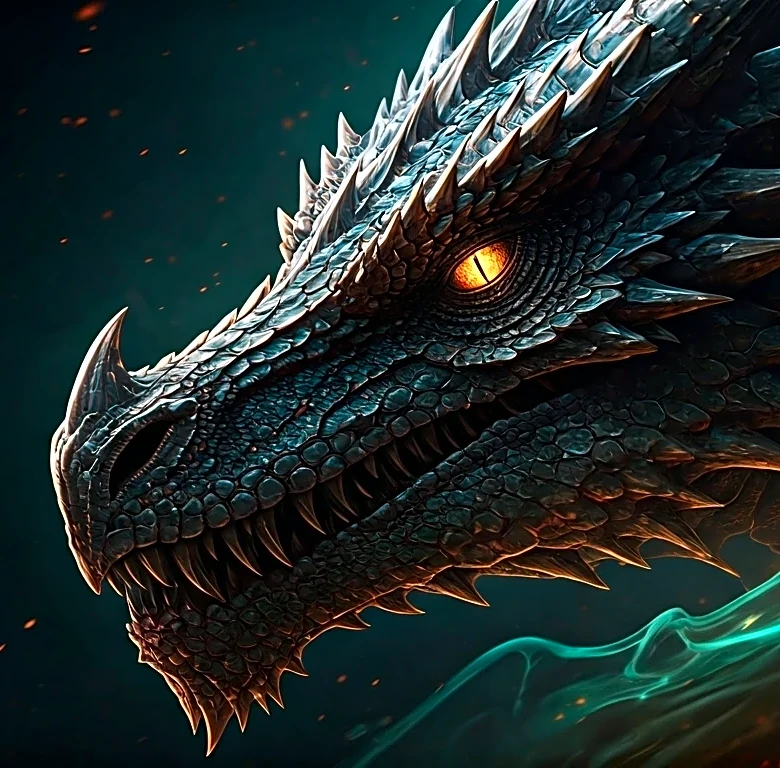
The show focuses on the main dragons: Rhaenyra’s Syrax, Daemon’s Caraxes, and Aegon’s Sunfyre. But the sheer number of dragons is what defines this era. The book emphasizes that there are numerous other dragons of varying sizes and temperaments. Some are old and massive, like Vhagar. Others are “wild” and unclaimed, living on the slopes of the Dragonmont volcano on Dragonstone. This is a crucial strategic element. The coming war isn’t just about who has a dragon; it’s about who has the most, who can claim new ones, and who is willing to unleash them. The stockpile of scaly, fire-breathing weapons of mass destruction is a constant source of tension that the show will likely explore more as the conflict escalates.
Daemon Targaryen Is Even More Complicated
Matt Smith’s portrayal of Daemon Targaryen captures his chaotic, morally gray nature perfectly. The book, however, shows the political reasoning behind his seemingly erratic behavior. His early adventures in the Stepstones weren't just for fun; they were a legitimate attempt to carve out his own kingdom when his brother wouldn't grant him power. His mastery of the City Watch in King's Landing made him the de facto power broker in the capital. *Fire & Blood* portrays him as ambitious, cruel, and fiercely loyal to his family's legacy, often all at the same time. He's less of a pure agent of chaos and more of a calculating player who simply uses chaos as one of his primary tools.