


The Runway as a Laboratory
First, let's get one thing straight: runway shows, especially in Paris, are not meant to be literal shopping lists. Think of them less as a catalog and more as a laboratory. Designers aren't just showing you a new jacket; they're presenting a new idea—about
proportion, material, or even the very definition of masculinity. Theatricality is part of the package, a way to make a concept stick in your mind. For Spring/Summer 2027, Rick Owens' dark, sculptural, and punchy show was described as being “built to stay etched in the retina.” That's the point. The goal isn't for you to wear a model's full, head-to-toe look. It's for a single element—a silhouette, a texture, a color—to get distilled from this potent, high-concept vision and eventually trickle down into the real world.
The Power of Exaggerated Volume
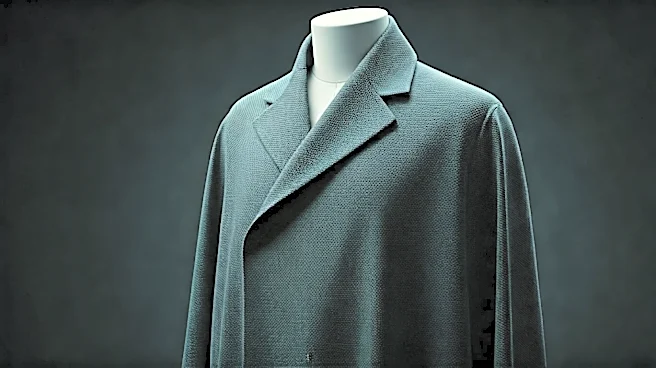
One of the most common “strange” ideas on the runway is exaggerated volume. At his recent show, Willy Chavarria—a designer known for his activist-led approach—showcased his signature dramatic proportions, using volume to redefine luxury and strength. Similarly, Rick Owens is a master of dramatic volumes and unstructured cuts, which have become his brand's calling card. On the runway, this might manifest as pants so wide they look like skirts or shoulders so broad they create an architectural silhouette. It looks unwearable. But that extreme version is just the purest form of the idea. A season or two later, that same concept is translated into the mainstream as the wide-leg trousers that are suddenly everywhere, the boxy-fit blazers that dominate shop windows, or the oversized bomber jackets that become a staple. The runway's strange volume was just the forecast.
The Deconstructed Suit
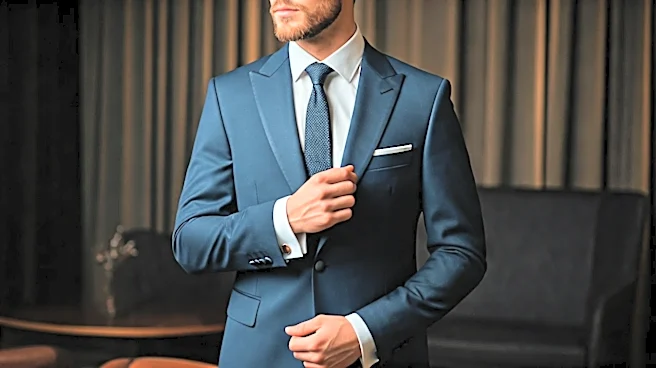
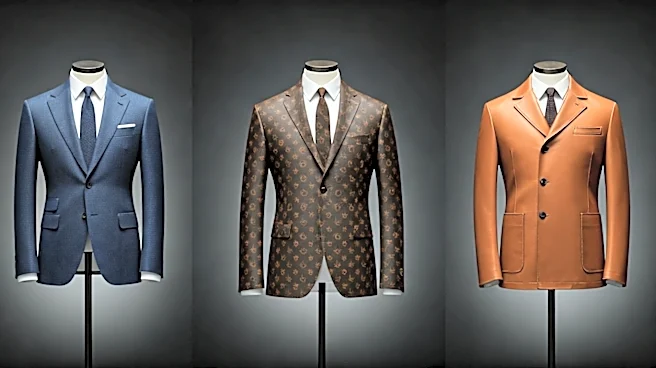
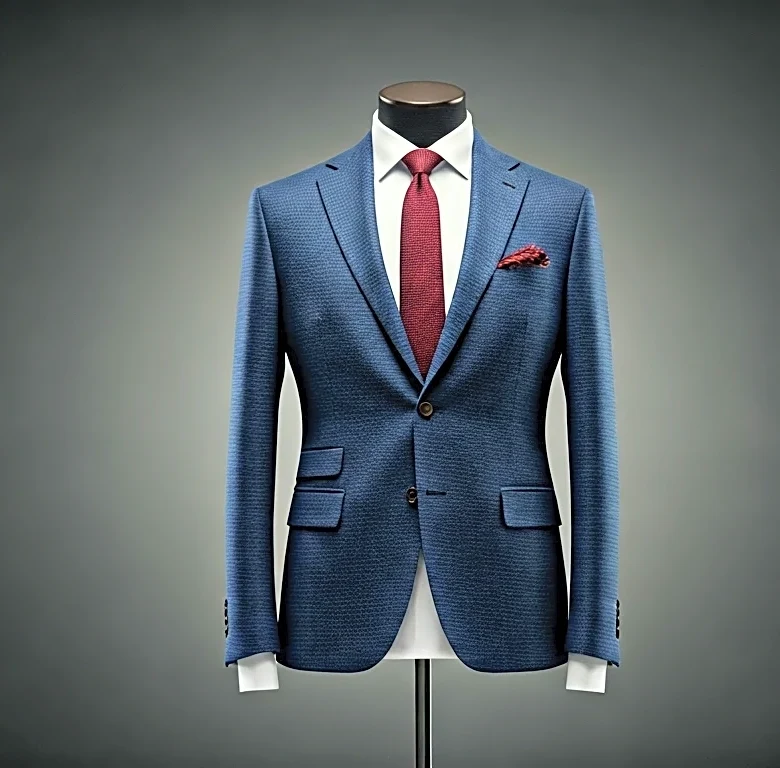
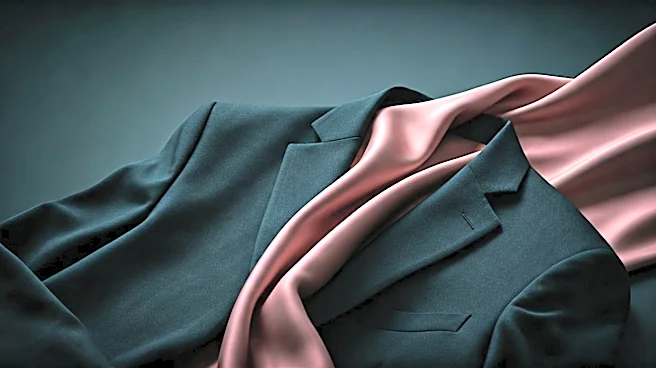
The classic tailored suit is a menswear cornerstone, which makes it a perfect target for runway experimentation. This season, designers continued to explore a “softer masculinity” with looser silhouettes and flowing fabrics. At Dior, for instance, Jonathan Anderson reimagined the house’s tailoring with a more relaxed fit, even translating traditional patterns like houndstooth into modern prints. At Saint Laurent, Anthony Vaccarello presented a collection focused on “ease and escapism,” featuring billowing silk shirts and slim-fit trousers that blurred formality. These deconstructed and softened versions of formalwear might seem odd at first glance, but they're what allow menswear to evolve. The avant-garde idea of a relaxed tuxedo or an unstructured blazer on the runway eventually gives us the more comfortable, versatile suits and separates that redefine workwear and eveningwear for the modern man.
Material as a Message
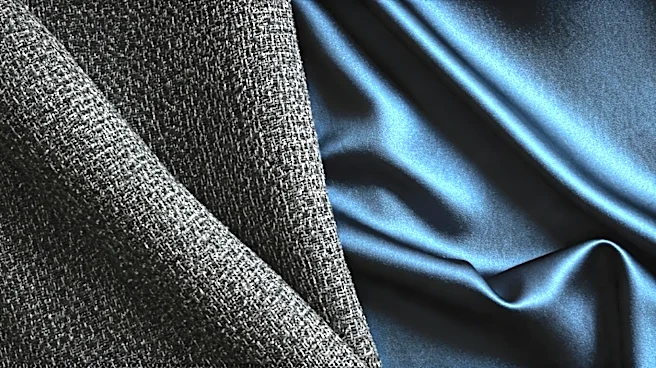
Sometimes, the strangeness isn't in the cut but in the material itself. A designer might use a fabric in a completely unexpected way, like the use of molten gold fabric or colorful technical taffeta in Saint Laurent's recent collection. At his Fall/Winter show earlier this year, Rick Owens experimented with stiffened felt wool and hand-knit sweaters, using texture to subvert traditional uniform aesthetics. Even Pharrell Williams' beach-themed Louis Vuitton show featured branded wetsuits and Ugg-style boots, pushing the idea of luxury into new, unexpected contexts. These explorations might seem purely artistic, but they drive textile innovation. The weird, crinkly, or unusually shiny fabric on a Paris runway is often a precursor to new finishes and material blends that make our everyday clothes more interesting, durable, or sustainable down the line.