

The Riverfront: Daytime’s Democratic Heartbeat
The story begins each day in the sun, at the Cumberland River. The Riverfront Stage is the festival’s free, public-facing kickoff. It’s where thousands of fans, with or without a four-day pass, can stake out a spot on the grass and see a non-stop parade
of established stars and promising newcomers. This isn’t an opening act; it’s the festival’s foundational scene. By placing high-energy, accessible concerts right on the water, organizers establish the core theme: this event belongs to the city and its people. The geography here tells a story of openness and shared energy, turning a natural city landmark into a communal backyard party and setting a democratic tone for the day ahead.
Broadway’s Honky-Tonks: The Unofficial Soundtrack
From the river, the narrative naturally flows a block west to Lower Broadway. This is where the official festival map blurs with Nashville’s living history. The legendary honky-tonks—Tootsie's, The Bluebird Cafe, Ole Red—aren't formal CMA Fest stages, but they are an essential part of the experience. During the festival, they become an unofficial circuit of pop-up shows, surprise appearances, and fan-led singalongs. This part of the journey allows attendees to feel like they’re discovering something authentic. You aren’t just at a festival; you are on the hallowed ground where countless careers were born. The geography here provides a gritty, spontaneous counterpoint to the polished main stages, adding a chapter of raw, unpredictable energy to the festival’s story.
Fan Fair X: The Modern Meet-and-Greet
As the afternoon heat peaks, the story moves indoors to the massive Music City Center for Fan Fair X. This is the air-conditioned sanctuary and the festival’s narrative heart, connecting its present to its past. Originally known as “Fan Fair,” the event was founded on the promise of artist-fan interaction. Today, Fan Fair X is a hyper-modern version of that, a convention hall filled with elaborate booths, intimate acoustic stages, and the festival’s most coveted prize: a lottery-won chance to meet a superstar. Geographically, it’s a controlled, commercial environment that tells a story of fandom itself. It’s where the relationship between artist and audience is formalized, a space dedicated to the culture and commerce that powers the country music machine.
Ascend Amphitheater: The Curated Evening Act
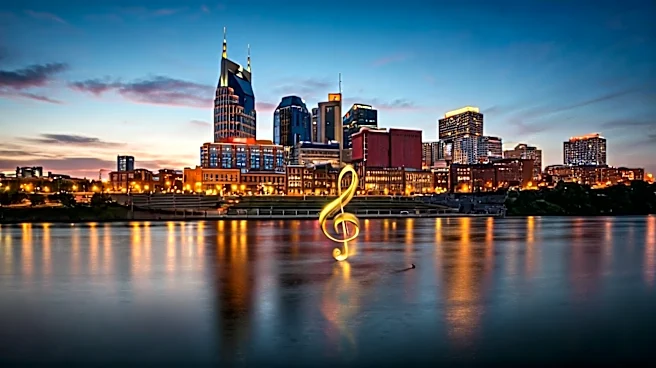
As dusk settles, the action moves back outside to Ascend Amphitheater, a sleek, modern venue nestled between the river and the Korean War Veterans Memorial Bridge. This stage serves as the festival’s sophisticated second act. While the Riverfront is a free-for-all, Ascend is often a separately ticketed, more curated experience. It’s where you’ll find full-set performances from major artists in a more intimate setting than the stadium. Its location, with the city skyline as a backdrop, provides a stunning visual transition from day to night. It’s the narrative bridge, taking the high energy of the daytime and focusing it into a premium concert experience before the nightly grand finale.
Nissan Stadium: The Epic Climax
The final chapter of each day’s story unfolds across the river at Nissan Stadium. Getting there requires a pilgrimage across the John Seigenthaler Pedestrian Bridge, a walk that builds anticipation with every step as the stadium looms larger. This is the main event, the nightly spectacle where the genre’s biggest superstars play to a sold-out crowd of over 50,000. The stadium shows are the festival’s climax, bringing together all the energy built up throughout the day across the city. By physically separating the main stage from the downtown chaos, organizers turn the simple act of crossing a bridge into a powerful narrative device. You are leaving the city behind to witness something epic. It’s a brilliant piece of geographical storytelling that ensures the festival ends each night on its grandest, most unforgettable note.