




The Altitude Sickness of the Lido
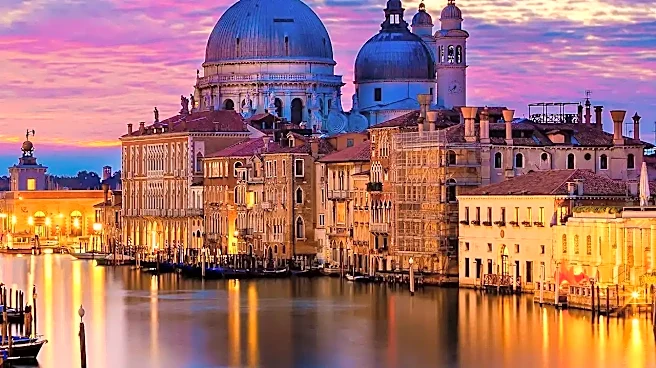
There's a well-known phenomenon in the film world called the "festival bubble." Critics and industry insiders, sleep-deprived and running on adrenaline, watch four or five films a day in the compressed, rarified air of a prestigious event like Venice.
Everything feels heightened. The shared experience in a darkened theater, the collective gasp or cheer, the post-screening buzz—it all contributes to a potent cocktail of excitement. A good film can feel great; a great film can feel like a life-changing masterpiece. This environment is designed to generate heat. Festivals are launchpads, and a rapturous review from a major outlet can secure distribution and build essential momentum. But this pressure cooker can also warp perception. Critics, like anyone, can be susceptible to groupthink or the sheer desire to be the first to plant a flag on the next big thing. The result is a cycle of instant canonization that often feels questionable a few months later, once the film is released to a wider audience and the festival high has worn off.
Greatness vs. Endurance
So what separates a very good film from a true masterpiece? It’s not just about technical skill, compelling performances, or a powerful story, though those are essential ingredients. Many films have those and are rightly celebrated for them. A masterpiece, however, does something more. It doesn’t just capture a moment; it transcends it. It resonates beyond its initial context, speaking to audiences long after the credits roll and its cultural moment has passed. Think of films like "The Godfather" or "Citizen Kane"; their power isn't just in their craft, but in how they rewired the language of cinema and continue to inform our understanding of storytelling. The term masterpiece implies a work of extraordinary skill that stands the test of time, influencing future generations and becoming a cultural touchstone. The problem with festival hype is that it conflates immediate impact with long-term significance. A film that feels urgent and electric in Venice in September 2026 might feel like a product of its time—and nothing more—by 2028. Endurance is a key ingredient, and it's the one thing that can't possibly be judged from a single screening in a festival setting.
So, What's The Question?
This brings us to the one question that can act as a vital reality check, a way to cut through the buzz and evaluate a film with a clearer head. It’s not “Is it perfect?” or “Did I love it?” Those are valid, but they’re about immediate feeling. The real question is this: Will this film matter in ten years? It's a simple question, but it’s deceptively difficult to answer. It forces a critic to look beyond their personal emotional response and the infectious energy of the crowd. It requires them to engage with the film on a deeper level: Does it have something lasting to say about the human condition? Does it innovate with the form in a way that other filmmakers will study and imitate? Is its story so universal that it will connect with audiences a decade from now, who may not share our immediate cultural or political context? A film like the 2020 drama "Premature," for instance, earned praise for being more than just a well-made romance; critics noted its deep and enduring portrait of culture, self-discovery, and social space, suggesting a resonance that would outlast its initial run. Asking about a ten-year horizon doesn't mean a film has to be a solemn historical epic. A comedy, a horror film, or a blockbuster can all have enduring power. The question is a tool for perspective. It separates the brilliant-but-disposable from the genuinely foundational.