

The Christmas Movie That Froze Over
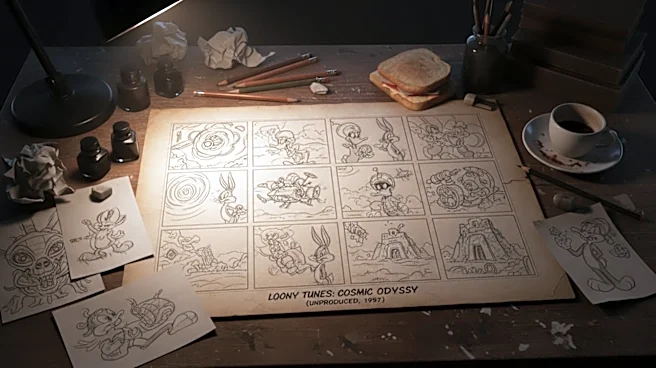
Imagine a Christmas blockbuster starring Marvin the Martian, voiced by Mike Myers, facing off against Santa Claus, played by the legendary Christopher Lee. It almost happened. In the late 2000s, Warner Bros. was developing a live-action/CGI hybrid film
centered on this exact premise. Storyboards and test footage revealed a plot where Marvin, ever the antagonist to Earth, decides to destroy Christmas by competing with Santa, only to be foiled and wrapped up in a gift box himself. The project, tentatively titled "Yule Be Sorry," had a director and a 2011 release date on the calendar. So why did we never get to see Myers' Marvin declare holiday-themed war on Lee's Santa? While no official reason was ever given, the project was quietly shelved. Some speculate the box office disappointment of 2003's "Looney Tunes: Back in Action" made the studio hesitant to invest in another big-budget Looney Tunes feature, even years later. The project now exists only in leaked test footage and the tantalizing story of what might have been.
The Iron Giant's Darker Dream
Brad Bird’s “The Iron Giant” is a masterpiece of modern animation, celebrated for its heart and powerful anti-war message. But its original cut contained a sequence that would have cast the Giant’s past in a much more sinister light. A deleted scene, known as "The Giant's Dream," was fully storyboarded but cut for budget and pacing reasons before being restored for the 2015 "Signature Edition" release. In the sequence, the Giant has a nightmare, revealing flashes of his original purpose: a weapon of war. We see him as one of many identical robots, laying waste to an alien world. The storyboards show a terrifying army of Giants and the destruction they cause, confirming the military’s worst fears about him. While the theatrical cut implies this backstory, seeing it so explicitly would have changed the film's tone. The decision to initially remove it kept the focus on the Giant's gentle nature and his choice to be a hero, making his final sacrifice even more poignant. The restored scene, however, adds a fascinating layer for fans, showing the dark programming he fought so hard to overcome.
The Lost Case Files of Gotham
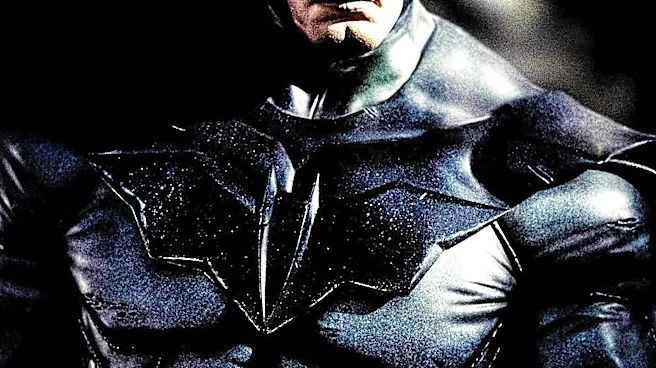
“Batman: The Animated Series” is revered for its mature storytelling and iconic art-deco design. Its creators, however, had even more stories they wanted to tell. Production notes and creator interviews have revealed a host of unproduced episodes that exist only in outlines and concept sketches. For example, writers toyed with an episode where Batman would infiltrate Blackgate Prison to take down a crime boss running his network from the inside, only to walk into a trap. Another concept would have seen Catwoman targeted by a sadistic big-game hunter who let captured animals loose on his private reserve. Bruce Timm and Paul Dini, the masterminds behind the series, also developed ideas that were repurposed or dropped. An early pitch for the Penguin was much more monstrous and grotesque, and a planned episode featuring the Riddler would have involved him trapping Batman in an "Alice in Wonderland"-style fantasy. These lost tales show the creative team was constantly pushing the boundaries of what a superhero cartoon could be, even if some of their most ambitious ideas never made it to the screen.
What These Ghosts Tell Us
These aren't just trivia; they're windows into the creative process. A storyboard for a scrapped idea can reveal the kernel of a character that would later become a classic. An unproduced script shows how studios navigate risk, balancing artistic ambition with commercial reality. The history of a studio like Warner Bros. Animation isn't just in the films that were released, but also in the vast, unseen library of what could have been. Each abandoned project and alternate ending is a testament to the countless hours of drawing, writing, and dreaming that go into making even a single minute of animation. They show us that for every perfect joke from Bugs Bunny or heroic moment from Batman, there was a team of artists who probably tried a hundred other ideas first. These hidden stories don't diminish the final films; they make us appreciate their magic even more.