


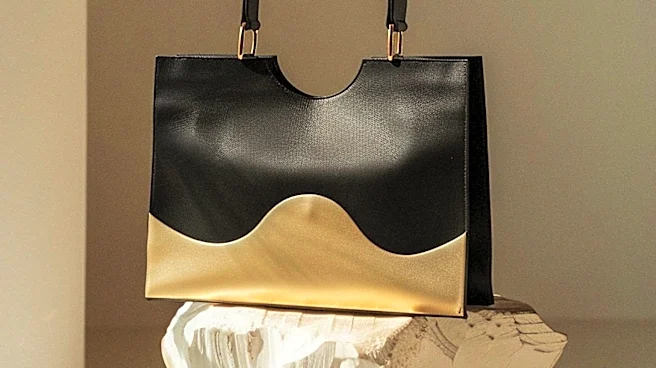
Anatomy of an Aesthetic
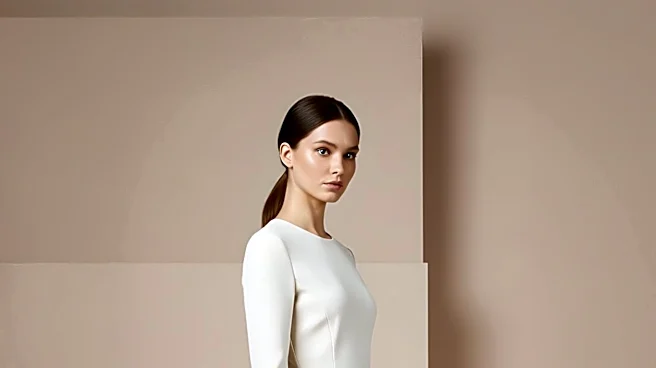
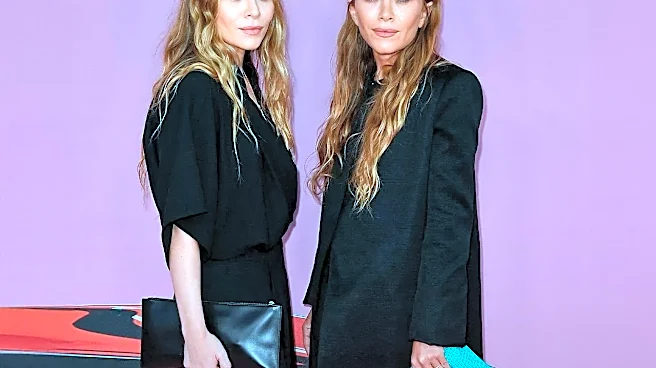
First, let's define the signature look. Since its founding in 2006, The Row has been a masterclass in restraint. The clothes are characterized by generous, almost architectural silhouettes, a monastic color palette of black, ivory, and beige, and fabrics
so luxurious they communicate wealth without a single logo. The goal, as the Olsens have suggested, was to create perfectly constructed, timeless pieces that don't "wear you." This philosophy was a reaction to the over-designed, trend-heavy market of the mid-2000s. While many associate this with the recent "quiet luxury" trend, The Row has been championing this ethos for nearly two decades, building a cult following based on impeccable quality and a sense of sophisticated anonymity.
The Unexpected Artistic Blueprint
The core of The Row’s DNA isn't just a vague notion of minimalism; it’s deeply rooted in the American Minimalist art movement of the 1960s and '70s. This is the hidden reference. Think of sculptors like Donald Judd and Richard Serra, artists who stripped their work of all emotion and ornament to focus on pure form, material, and the physical space the object occupied. Judd, for example, created stark, geometric "specific objects" using industrial materials like aluminum and copper, believing the artwork’s power came from its materials and form alone. Serra is famous for his colossal, curving steel plates that force viewers to physically engage with their immense scale and weight. This obsession with materiality, form, and the viewer's experience is the very same principle that guides The Row.
From Sculpture to Silhouette
So how does a giant steel sculpture translate to a cashmere coat? It's all in the philosophy. Just as Judd and Serra focused on the inherent qualities of their industrial materials, The Row’s design process is obsessed with fabric and construction. The brand's collections explore the strength of simple shapes, allowing an exceptional fabric to drape and fall with its own natural weight and grace, much like a Serra sculpture commands a room. A floor-length coat isn’t just a coat; it’s a study in proportion and line. The brand’s showrooms often resemble art galleries, featuring furniture by modern masters like Isamu Noguchi, further cementing the link between the clothes and the world of fine art and sculpture. The intention is the same: to create an object of such uncompromising quality that its form and material are the entire message.
The Psychology of Quiet Power
This artistic influence also explains the powerful psychology behind wearing The Row. In a world of loud branding and constant self-promotion, the brand offers a form of armor. Its oversized shapes and lack of logos provide a sense of privacy and retreat. It’s a style born from the Olsens' own experience growing up in the intense glare of the public eye. They wanted to create clothes that put the focus on the product, not the person who made it, to the point they initially didn't want people to know they were behind the brand. This desire for discretion is something many customers crave. The Row’s clothing isn’t about shouting for attention; it's about a quiet, unshakeable confidence that comes from within. It’s a uniform for people who don’t need to prove anything.