


The Psychology of Shared Emotion
First, let's establish what a tribute performance is not: it's not a simple cover. When an artist like P!nk honors Olivia Newton-John or when Christina Aguilera belts a Whitney Houston medley, it’s framed as a communal act of remembrance and appreciation.
The production value is immense, the arrangement is reverent, and the performance is imbued with a sense of occasion. This context is crucial. Viewers aren't just watching a song; they are participating in a shared cultural moment. This emotional investment bypasses our natural cynicism towards marketing. We are primed to feel something, not to be sold something. The performance acts as an emotional catalyst, connecting the viewer to the legacy artist’s work on a personal level, which is far more powerful than a targeted ad appearing in a social media feed.
Tapping the Nostalgia-to-Streaming Pipeline
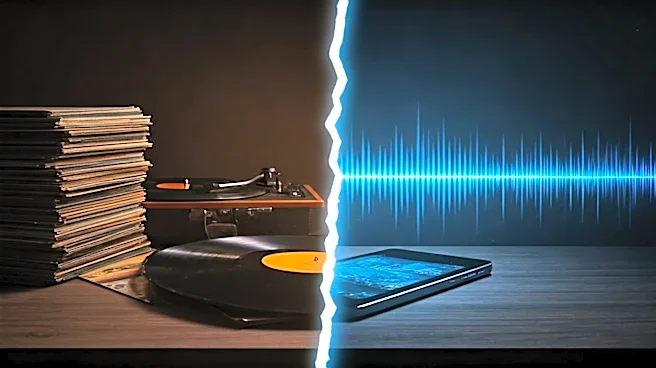
For viewers who grew up with the honored artist, a tribute acts as a powerful nostalgic trigger. Hearing a familiar chorus from a new voice can instantly transport them back to a specific time and place. The immediate, almost involuntary reaction for many is to seek out the original. It’s the digital equivalent of digging through a dusty record collection after being reminded of a long-lost favorite. Music platforms are designed for this instant gratification. Before the tribute performance is even over, millions of people are typing a name—Lionel Richie, Janet Jackson, Prince—into their Spotify or Apple Music search bar. The tribute doesn't just remind them that the artist exists; it creates an urgent, emotionally-driven desire to hear the definitive version, boosting catalog streams in a way that feels organic and self-directed.
A Masterclass for New Listeners
While nostalgia drives one demographic, discovery fuels another. For younger audiences, a tribute performance at the AMAs might be their first meaningful exposure to an iconic artist's work. They may have heard the name “Carole King” or “Stevie Wonder,” but they might not know the songs. When a current star they admire—someone like H.E.R. or Brandi Carlile—performs a classic, it serves as a powerful endorsement. It’s a trusted curator telling them, “This is important. This is worth your time.” The tribute acts as a bridge between generations. The new artist provides the entry point, and the timeless quality of the music does the rest. This creates a fresh wave of listeners who then dive into the catalog, not as a history lesson, but as a newfound musical obsession, adding a whole new generation to an artist's streaming audience.
The 'Authenticity' Shield
This is the secret sauce: the entire exercise is shielded by a cloak of perceived authenticity. The commercial benefit, while very real for the artist’s estate and record label, is a byproduct, not the stated goal. The narrative is about honoring a legacy. The performing artist often speaks about the profound influence the honored icon had on their own career. This genuine admiration creates a transaction based on passion, not commerce. Unlike a car commercial that licenses a classic song, a tribute feels like a gift from one artist to another, and by extension, to the audience. Because it doesn't *feel* like an advertisement, our defenses are down. We accept it as a pure celebration, and the resulting commercial activity—the millions of streams and downloads that follow—feels like a natural, deserved consequence of celebrating greatness.