





Casting Authenticity Over Stardom
Let’s get the obvious out of the way: Dwayne “The Rock” Johnson is reprising his role as the demigod Maui. He’s a producer and the film’s anchor, a role deeply personal to him as Maui was inspired by his own grandfather, the Samoan pro wrestler Peter
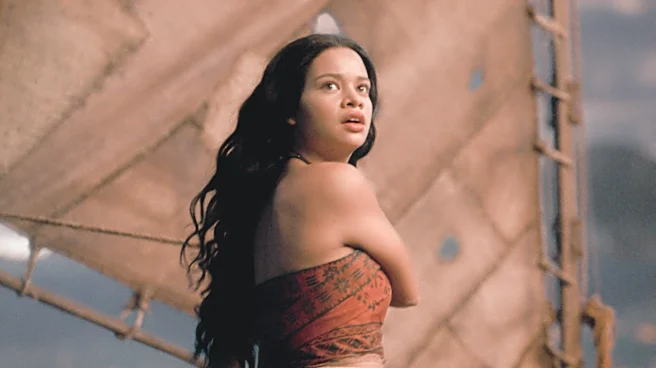
Maivia. But the biggest flex here isn’t leaning on the world’s biggest movie star. It’s who they cast opposite him. Instead of seeking another global superstar, Disney and director Thomas Kail (of 'Hamilton' fame) launched a worldwide search for their Moana, ultimately choosing 17-year-old Catherine Laga'aia, an Australian actress of Samoan descent. This decision signals a core philosophy: prioritize heritage and character fit over a splashy, marketable name. By elevating a relative newcomer, the production centers the story on its Pacific Islander roots, a choice echoed in the casting of New Zealanders John Tui and Frankie Adams as Moana's parents. This isn't about finding a famous face to put on a poster; it's about finding the right one to carry a cultural legacy.
Dodging the Remake Trap
Disney’s live-action remakes have a checkered history. Critics and audiences often lament that they are either slavish, shot-for-shot recreations that feel creatively bankrupt ('The Lion King') or bloated with unnecessary subplots that dilute the original's magic ('Alice in Wonderland'). 'Moana' has a unique opportunity to chart a different course. The original 2016 film is not a decades-old classic but a modern one, released just ten years prior to this remake's July 2026 debut. There’s no need to radically reinvent the wheel. The key form of restraint, then, is narrative discipline. Johnson himself has stressed the importance of telling the story with "real human beings doing it in a live-action version" to make the lessons and values richer. The goal seems to be enhancing the emotional core, not padding the runtime. By bringing back original screenwriter Jared Bush and songwriter Lin-Manuel Miranda, the team appears focused on protecting the story's spirit rather than contorting it.
Letting the Culture Lead the Spectacle
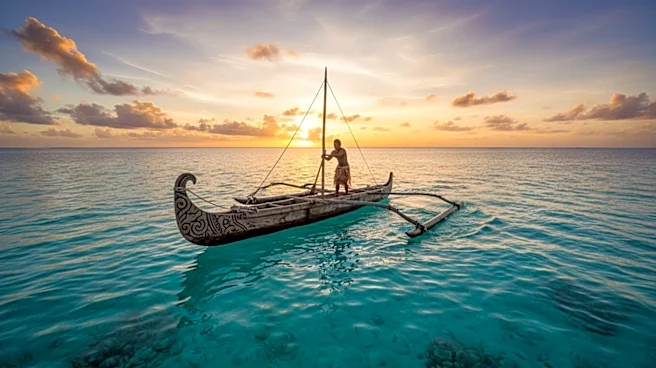
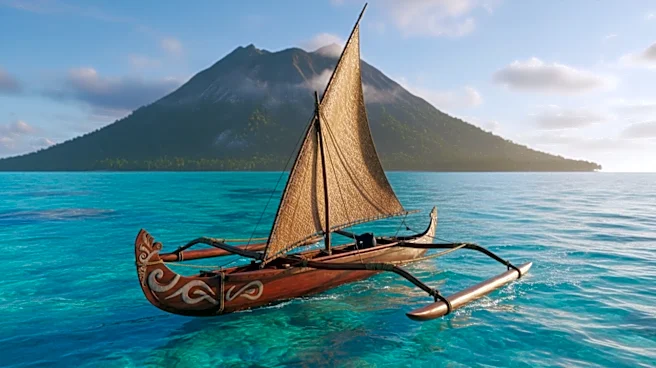
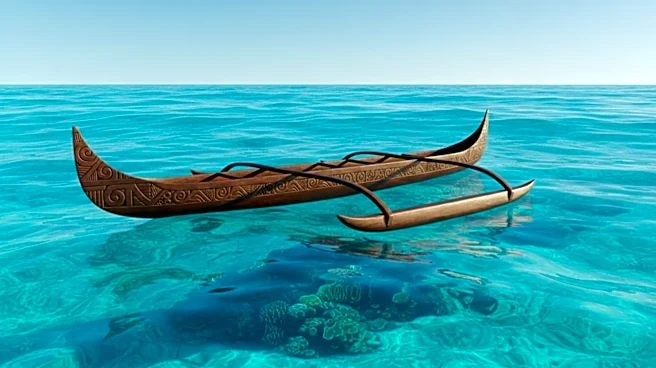
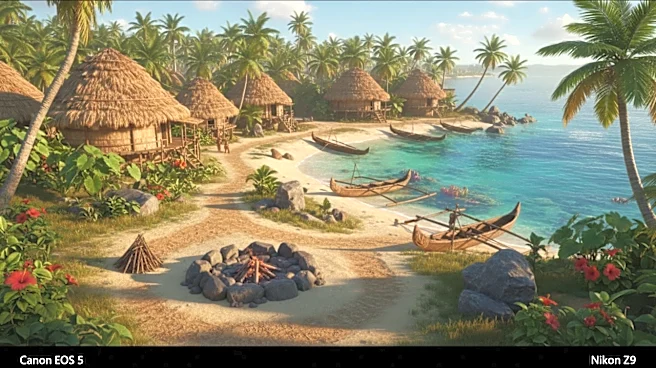
The original 'Moana' was praised for its cultural authenticity, a result of the studio forming the Oceanic Story Trust—a collective of academics, linguists, tattoo masters, and cultural elders from across the Pacific Islands. This group advised on everything from character names to costume materials, ensuring a level of respect rarely seen in Hollywood productions. For the live-action film, this commitment seems to have deepened. Director Thomas Kail has spoken about how his first conversation with Johnson was about the opportunity to celebrate and memorialize Polynesian culture. Laga'aia has called it an "honor" to represent her Samoan heritage. This is where restraint becomes a creative superpower. Instead of defaulting to an explosion of generic CGI, the production reportedly built a massive, tangible village of Motunui and is focusing on real locations. The spectacle isn't just a digital ocean; it’s the celebration of wayfinding, the intricate tattoos, and the spirit of a culture leading the story, not serving as its backdrop.
A Different Kind of Blockbuster Flex
In the end, the restraint shown in 'Moana' isn't about making a smaller film—the budget is reportedly north of $200 million. It’s about re-calibrating what a blockbuster flex looks like. It’s choosing the unknown-but-right actress over the known-but-easy one. It’s trusting the strength of the original story without needing to pad it with filler. And most importantly, it’s recognizing that the most breathtaking spectacle of all is an authentic culture, rendered with depth, respect, and heart. In a sea of cynical remakes, 'Moana' has the chance to prove that the biggest flex isn't just about how much you can show, but how much you understand what truly matters. By letting cultural integrity guide its voyage, the film's quiet confidence may end up making the most noise.