



The Old-World Art of Not Trying
This phenomenon has a name, and it’s centuries old: 'sprezzatura.' Coined in the 16th century by Italian courtier Baldassare Castiglione in 'The Book of the Courtier,' it describes a certain nonchalance, a way of making difficult actions appear effortless
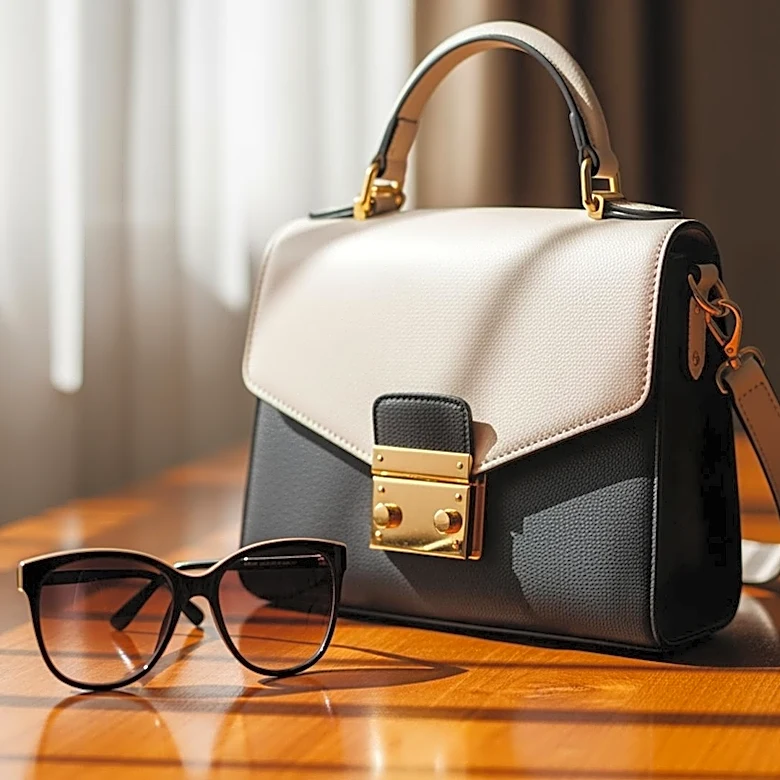
and without thought. For Renaissance nobles, it was about concealing the immense effort that went into mastering sword fighting, poetry, or courtly manners. To be seen trying was to be seen as common. The goal was to perform with such grace that it looked innate—a sign of natural superiority rather than diligent practice. The modern-day equivalent isn't about wielding a sword; it's about pairing vintage denim with a designer handbag in a way that suggests you were simply born with impeccable taste, rather than having spent an hour cross-referencing Pinterest boards.
The Paparazzi Walk as a Red Carpet
Today’s version of the royal court is the curated world of social media and celebrity street style. The 'pap walk'—a supposedly candid stroll from a car to a building—has become a new kind of red carpet. Celebrities and their stylists meticulously craft these 'off-duty' looks. The goal is to create an image that feels authentic and relatable yet remains aspirational. Every detail is considered: the slightly-too-long sleeve, the artfully untucked shirt, the pristine sneakers that say 'active' but not 'actually sweating.' This performance of spontaneity is designed for the camera. It’s a way to control the narrative, presenting a persona of 'cool girl' effortlessness that is, in reality, a high-stakes marketing and branding exercise. The photo might look like a lucky shot, but the outfit was a calculated hit.
The Psychology of Performed Authenticity
So why are we so captivated by this illusion? The appeal lies in the psychology of what effortlessness signals. Looking like you’re not trying, but succeeding wildly, implies a level of mastery and confidence that is deeply attractive. It suggests you’re so comfortable in your own skin and so secure in your status that you don’t need to follow rigid rules. In a world saturated with filters, tutorials, and ten-step routines, the person who can achieve a perfect result with apparent ease seems to be playing a different, more advanced game. It’s the sartorial equivalent of the student who aces the test without ever seeming to study. We admire the result, but we're mystified and impressed by the perceived lack of struggle. This constructed casualness is a quiet power move, a declaration that you're above the fray.
Deconstructing the Uniform
While it appears spontaneous, the look has a distinct uniform. It often revolves around 'quiet luxury'—high-quality, logo-free basics like cashmere sweaters, perfectly cut trousers, and minimalist leather goods. These expensive staples are then mixed with more accessible or edgy pieces, like a pair of classic Converse or a vintage band t-shirt, to project an air of unpretentious cool. The final, crucial ingredient is a single point of imperfection. It might be messy, 'slept-in' hair (that took 45 minutes with a texturizing spray), a no-makeup makeup look (involving ten different products), or a jacket worn slightly off-the-shoulder. This one 'flaw' is the anchor for the entire illusion, the detail that makes the whole engineered ensemble feel accidental and, therefore, brilliant.