



The Three-Minute Audition
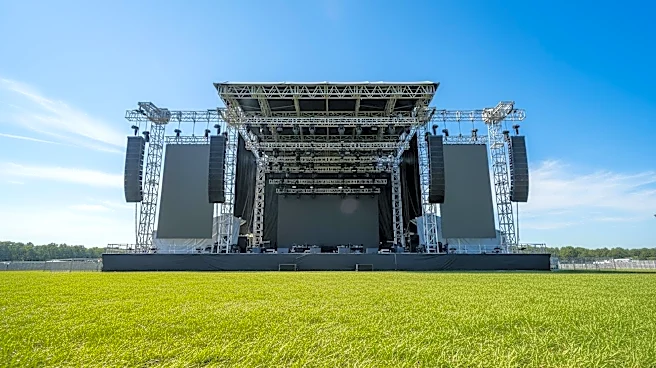
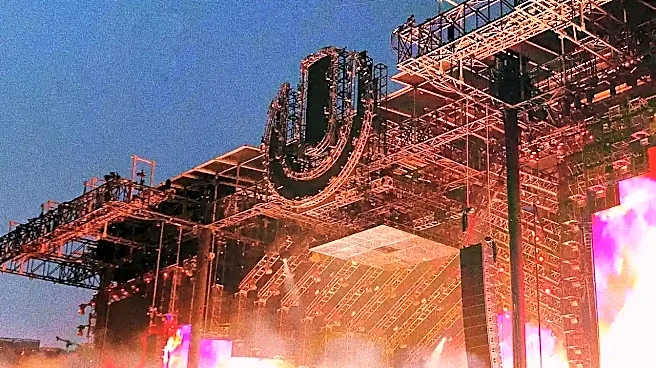
The clock starts, the lights hit, and an artist has about three minutes to win over a sprawling festival crowd. The opening song of a 60-minute set is an all-or-nothing gambit. It’s not just about playing a song; it's about seizing control. Artists often
choose a track that is instantly recognizable and high-energy to grab the attention of both dedicated fans and casual passersby. Think of it as the explosive opening scene of a movie. It needs to establish the mood, prove the artist belongs on that stage, and give the thousands of people spread across Golden Gate Park a reason to stop scrolling through their phones and look up. This isn't the moment for a deep cut or a slow-burning ballad. It’s a statement of intent, delivered at full volume to cut through the noise and the fog.
The Conversational Heart
Once the initial adrenaline rush is over, the set needs to build a narrative. This is the second act, where the dramaturgy really kicks in. The middle of a festival set is a careful balancing act of energy and emotion. Artists will typically weave together a mix of tempos and moods, creating a dynamic flow that prevents the performance from becoming monotonous. Playing too many high-energy songs in a row can exhaust an audience, while too many slow ones can cause them to lose interest and wander off to another stage. This is also where an artist can connect with the crowd on a more personal level. A well-placed story, a moment of audience participation, or a stripped-down song can create a feeling of intimacy amidst tens of thousands of people, making the massive field feel like a small club.
Crafting the Unforgettable Finale
How a set ends is just as important as how it begins. The final sequence of songs is designed to create a lasting emotional peak, a memory that attendees will carry with them long after they leave the park. Behavioral science suggests that people’s memories of an event are heavily influenced by its peak and its ending. For this reason, artists often save their biggest, most beloved hits for last. The goal is a massive, communal singalong that sends a wave of euphoria through the crowd. This final push is the climax of the hour-long story, the grand finale designed to leave everyone wanting more. It’s the artist’s last chance to make their mark, ensuring their 60 minutes stand out in a weekend packed with music.
The Art of the Audible
While a setlist provides a crucial road map, the best performers know when to deviate from it. A festival environment is unpredictable. The weather in Golden Gate Park can shift in an instant, a competing headliner on another stage might draw a bigger crowd, or a technical issue can halt momentum. Great artists and their teams read the room and adjust on the fly. If the crowd’s energy is dipping, they might swap a mid-tempo song for an upbeat anthem. If they feel a special connection, they might add a song that wasn't on the original list. This ability to improvise, to respond to the unique energy of that specific audience on that specific day, is what separates a good performance from a legendary one. It proves that despite all the planning, live music is still a conversation, not a monologue.