





First, Act Fast and Identify the Blood
When it comes to removing fake blood, time is your biggest enemy. The longer the pigments sit on skin or fabric, the more difficult they are to remove. Most fake blood is made from a base of corn syrup and potent red food coloring, sometimes with cocoa
powder or a drop of blue coloring to create a more realistic, darker look. These ingredients are designed to be sticky and vibrant, which means they're also designed to stain. The moment you're done with your costume, start the removal process. For clothing, gently blot any excess liquid with a clean cloth, being careful not to rub the stain deeper into the fibers. For skin, the goal is to break down the sticky, sugary base without harsh scrubbing.
Removing Fake Blood From Your Skin
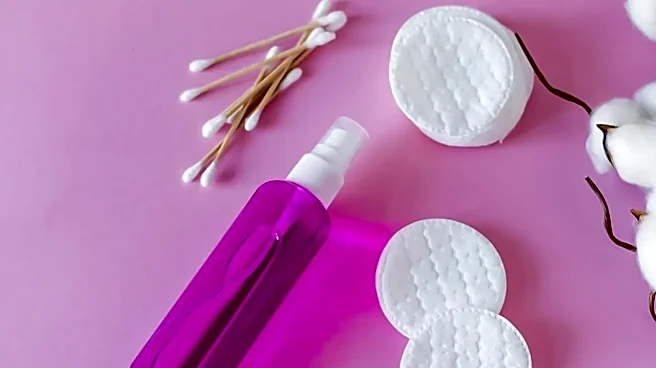
Your skin is more delicate than a T-shirt, so start with the gentlest methods. The key is to dissolve the product, not scrub it off aggressively, which can cause irritation. Begin by applying an oil-based product like baby oil, coconut oil, petroleum jelly, or a cleansing balm directly onto the stained area. Massage it in gently; the oil will help break down the color pigments and sticky syrup base. Let it sit for a few minutes before wiping it away with a soft cloth or cotton pad. Follow up by washing the area with a mild soap or gentle cleanser and warm water to remove any oily residue. For particularly stubborn spots, some have found success by applying non-gel shaving cream, letting it sit, and then wiping it clean.
Pre-Treating Stains on Washable Clothing
Before you toss a stained garment into the wash, pre-treatment is essential. Start by rinsing the stain from the back with cold water. This flushes the pigment out of the fibers rather than pushing it further in. Never use hot water at this stage, as heat can set the stain permanently. After rinsing, you have a few options for pre-treating. You can gently rub a small amount of liquid laundry detergent or dish soap into the stain and let it sit. Another effective method involves creating a soaking solution. For general food coloring stains, a solution of warm water, a little dish soap, and a tablespoon of ammonia can be used for a 30-minute soak on durable fabrics. Always check your garment's care label first.
Washing and Advanced Stain Removal for Fabrics
After pre-treating, launder the item as you normally would, using cold water. Once the wash cycle is complete, inspect the stain before putting the garment in the dryer. If any of the stain remains, the heat from the dryer will make it nearly impossible to remove. If the stain persists, you can try an oxygen-based bleach (like OxiClean) solution. Mix the powder with water according to the product's directions and soak the garment for at least 30 minutes, or even a few hours, before re-washing. For white or colorfast bleach-safe fabrics, a solution of white vinegar and water can also be effective; you can soak the item or apply the vinegar directly to the stain and let it sit before washing.
When to Call a Professional
Not all fabrics are created equal. If your fake blood mishap occurred on a delicate material like silk, wool, or any item labeled 'dry-clean only,' it's best to resist the urge to fix it yourself. Home remedies involving water, vinegar, or alcohol can cause permanent damage to these sensitive fibers. Instead, blot any excess blood gently and take the item to a professional dry cleaner as soon as possible. Be sure to point out the stain and tell them it's from sugar-based fake blood with food coloring. This information helps them choose the most effective and safest chemical solvents to treat the spot without ruining your garment.