



Cosplay as a Living Poll
Long before a marketing budget is approved, fan passion provides its own data. Stroll the floor of the Javits Center and you'll see a living, breathing poll of which characters resonate most. This year, the trends point towards creative variations on well-known
heroes and a surge in dark fantasy aesthetics. When dozens of fans independently decide to spend hundreds of hours and dollars to embody a niche character from a new anime, a specific comic book run, or a video game, it signals an organic, grassroots energy that a studio can't fake. Brands take notice of not just who is being cosplayed, but how. Are fans creating steampunk versions of superheroes or gothic-inspired looks for well-known characters? This creativity demonstrates which properties have enough depth to inspire reinterpretation, a key indicator of a franchise's health and potential.
Artist Alley: The Unofficial R&D Department
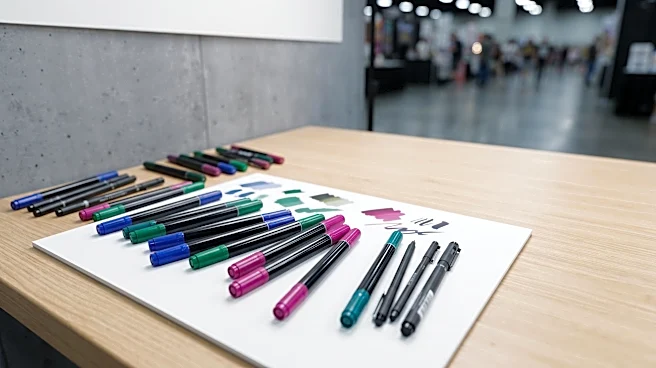
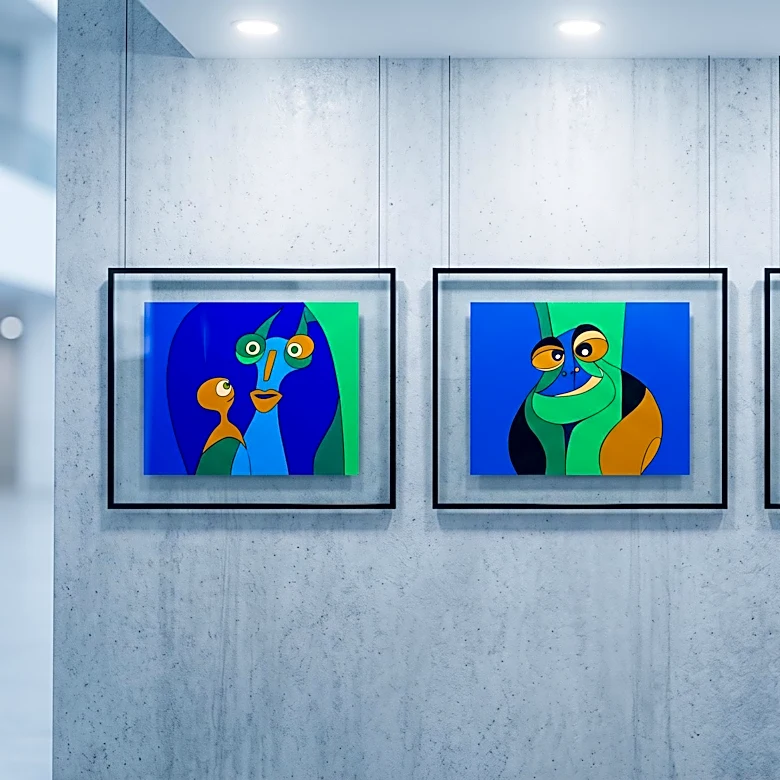
Tucked away from the massive corporate booths is Artist Alley, a sprawling marketplace where over 500 independent creators sell prints, comics, and merchandise. For industry scouts, this is less a shopping trip and more a tour of their company's unofficial R&D department. What characters are artists consistently drawing? What mashups are getting the most buzz? The art that sells here is a direct reflection of fan demand. The success of indie comic titles like "Dungeon Crawler Carl" and the persistent popularity of specific comic book artists can often predict larger market movements and even influence mainstream aesthetics. Brands can see which visual styles are connecting with audiences and identify emerging talent long before they hit the industry mainstream.
The Panel Q&A Litmus Test
Official panels for big shows like "Percy Jackson and the Olympians" or Marvel's upcoming Disney+ series offer a direct line to the most engaged fans. While the announcements on stage are carefully managed, the audience Q&A session is often a raw, unfiltered source of sentiment. The questions fans ask reveal what storylines they care about, which characters they feel are being underserved, and what plot holes they've fixated on. A single, well-articulated question can represent the concerns of thousands of viewers at home. Social media monitoring of panel-related hashtags provides another layer of real-time feedback, allowing brand managers and producers to gauge the immediate reaction to a trailer, casting announcement, or creative decision.
Merchandise and Activations as Data Points
Beyond the anecdotal evidence, NYCC offers hard data. Booth traffic, for example, is a clear measure of interest. When Marvel creates an immersive experience for a show like "VisionQuest," they are not just entertaining fans; they are gathering information on how much people want to engage with that world. Limited-edition merchandise sales offer another quantifiable metric. When an exclusive variant comic cover sells out in an hour, it's a powerful signal of demand. Even off-site activations, like a brand-sponsored food truck, provide valuable insights into how to connect with fans in a crowded market. These activations are experiments in marketing, testing which approaches can cut through the noise and create a genuine connection with an audience that has seen it all.