



The Architect of Modern Fashion
Before Vionnet, high fashion was largely about structure and restriction. Women's bodies were shaped by corsets and stiff fabrics. Vionnet changed everything with her mastery of the bias cut—the technique of cutting fabric diagonal to its grain. While
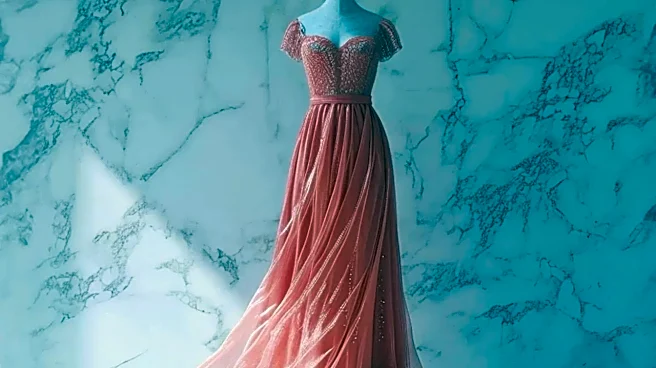
she didn't invent the method, she was the first to use it for an entire garment, discovering that it allowed fabric to flow, stretch, and cling to the body’s natural curves. Working not from sketches but by draping fabric on miniature dolls, she created gowns that seemed to move like liquid. Her Grecian-inspired, often fastener-free designs were a revolution, creating a silhouette that was both sensual and comfortable. This technical brilliance is why designers from Azzedine Alaïa to John Galliano have cited her as a primary inspiration.
Debunking the Common Critiques
Like any revolutionary, Vionnet had her detractors. Some whispered that her clothes, with their complex draping and lack of structure, were too difficult or impractical for the average woman. Yet, her client list was a who's who of the era's most glamorous figures, including Marlene Dietrich, Greta Garbo, and Katharine Hepburn, all of whom flocked to her for her uniquely fluid gowns. Another reason her name is less ubiquitous than that of her contemporary, Coco Chanel, is often attributed to her intensely private nature. Unlike Chanel, who was a brilliant self-promoter and her own best model, Vionnet was a reserved craftswoman who retired in 1940 and never returned to the industry, allowing her legacy to become the quiet domain of connoisseurs rather than a household name.
The Detail They Got Right
The one critique of Vionnet that holds a significant kernel of truth revolves around her rigidity. She was an uncompromising purist, a trait most evident in her fierce battle against plagiarism. In an era when copying designs was rampant, Vionnet treated her work like fine art that needed to be protected. She founded an association to campaign for copyright laws in fashion, a pioneering move at the time. Going further, she meticulously documented every single garment with front, back, and side photographs, gave each a unique serial number, and—in a move of ultimate personal branding—placed her own thumbprint on the label to authenticate it. To her critics, this obsessive need for control might have seemed extreme or even paranoid. They weren't entirely wrong; she possessed what one observer called an “intelligent obstinacy.”
The Price of Uncompromising Genius
This obstinacy wasn't a character flaw so much as the flip side of her genius. The same perfectionism that led her to spend countless hours perfecting a single drape also drove her to protect its integrity with unparalleled ferocity. Her critics, in pointing out her inflexibility, were identifying the very quality that made her work so singular. She wasn't just a dressmaker; she saw herself as the sole author and guardian of her creations. This is a stark contrast to Chanel, who embraced a more commercial and adaptable approach to her brand. Vionnet's focus was always on the purity of the craft, not widespread fame or market domination. In that sense, her critics correctly identified a trait that defined her, even if they framed it as a negative. Her unyielding stance was inseparable from her artistic vision.