


A Red Carpet Built for Rebellion
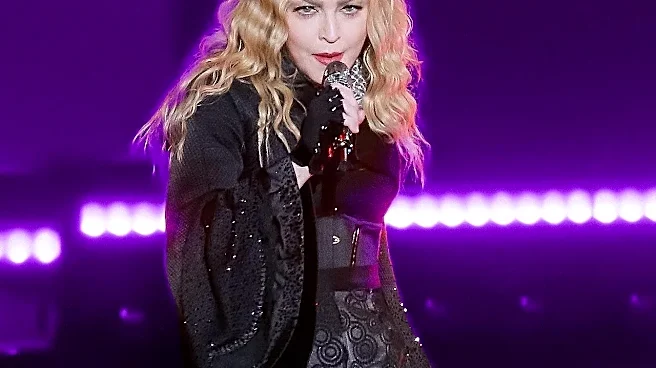
From its very first broadcast in 1984, the VMAs red carpet was never about playing it safe. Unlike the Oscars' formal glamour, this was a stage for spectacle and self-expression. Madonna’s 1984 performance in a wedding dress and a "Boy Toy" belt set the tone:
this was an arena for provocation. For decades, artists have used the VMA platform to make a statement, meaning the fashion has always been more about creating a moment than simply looking good. This history of rebellion provides a rich archive for fans to mine. The looks aren't just outfits; they are deliberate acts of pop culture defiance, making them endlessly fascinating to revisit and analyze.
The '90s: Shock Value and Raw Statements
The 1990s crystallized the VMA’s reputation for shocking fashion. In 1998, Rose McGowan arrived in a sheer, beaded dress that left little to the imagination. At the time, she was widely shamed, but she later revealed the look was a defiant statement following a sexual assault—an act of reclaiming her own body. The very next year, Lil' Kim took it a step further with her iconic one-shouldered purple jumpsuit, which featured a matching sequin pasty over one exposed breast. The look, which was reportedly inspired by a joke from Missy Elliott, redefined the style of female rappers and became so legendary that it even caught the eye of Diana Ross on stage. These weren’t just daring outfits; they were declarations of autonomy and cultural disruption that still resonate today.
The Y2K Era: Polished Pop and Performance Art
The turn of the millennium brought a new kind of VMA fashion. The pop-stardom of Britney Spears was on full display in 2001 when she performed "I'm a Slave 4 U" with a live boa constrictor as her ultimate accessory. Her red-carpet look that same night—a sheer black lace dress—was just as memorable, cementing her status as a fashion risk-taker. A decade later, Lady Gaga redefined the concept of statement dressing with her infamous meat dress in 2010. The outfit, made of real flank steak, was a protest against the U.S. military's "Don't Ask, Don't Tell" policy. It was instantly polarizing, condemned by animal rights groups but hailed by Time magazine as the year's top fashion statement. These moments blurred the line between fashion, performance, and political activism, giving fans even deeper layers to dissect.
A Shared Language in a Digital Age
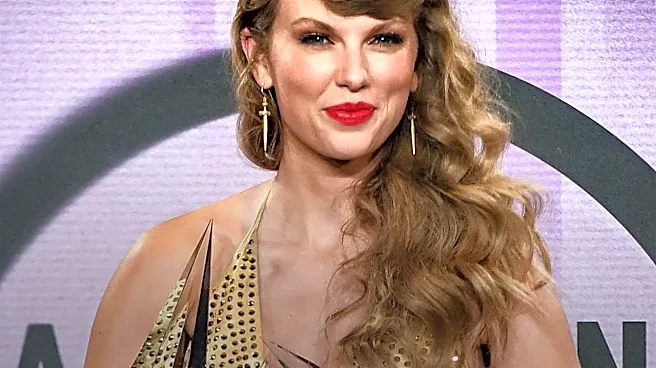
So why does this comparison across eras have such a grip on us? Social media has transformed every fan into a pop culture curator. Platforms like Instagram and TikTok are visual by nature, making it effortless to create side-by-side comparisons of Taylor Swift’s VMA looks from 2009 and 2022, or trace the evolution of the "naked dress" from Rose McGowan to Megan Fox. These comparisons become a shared cultural language. They allow different generations of fans to connect over a common reference point, debating which era was bolder or which statement hit harder. It’s a way to track the evolution of music, celebrity, and social attitudes through the vibrant, and often outrageous, lens of fashion. Discussing these looks is a way of participating in a living history of pop music itself.