
An Idealistic Beginning
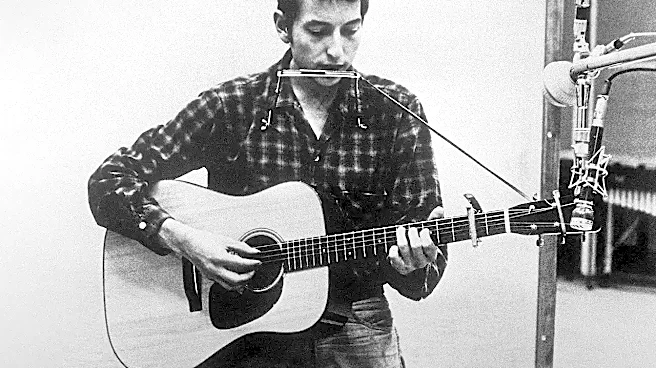
Long before the Dylan controversy, the Newport Folk Festival was born from an idea. In 1959, jazz festival founder George Wein, along with folk mainstays like Pete Seeger and Theodore Bikel, envisioned a non-commercial space dedicated to the breadth of
American folk music. It wasn't about creating stars, but about preserving traditions and showcasing a diverse range of styles, from Appalachian ballads to urban blues. The very first festival featured an eclectic lineup including Seeger, the commercially successful Kingston Trio, and bluesman Sonny Terry. This foundational ethos of authenticity and diversity set the stage for everything that followed, creating a unique environment where the music and its message came first.
A Stage for the Civil Rights Movement
One of the most powerful, yet often forgotten, aspects of Newport's history is its deep integration with the Civil Rights Movement. The festival became a vital platform for the movement's message. In 1963, the Freedom Singers, a group formed by members of the Student Nonviolent Coordinating Committee (SNCC), performed, and Joan Baez led festival-goers on a march through Newport. The festival's emotional apex that year was a collective performance of "We Shall Overcome," where Dylan, Baez, Seeger, and the Freedom Singers linked arms in solidarity. This anthem, which echoed from the Newport stage just a month before the March on Washington, cemented the festival not just as a musical event, but as a cultural force for social change.
The Launchpad for Legends
While Dylan was certainly a major figure, Newport's reputation as an incubator for talent extends far beyond him. It was a place of discovery. An 18-year-old Joan Baez made her surprise debut in 1959, brought on stage as a guest of Bob Gibson. This performance launched her into the national spotlight. Years later, in 1969, Johnny Cash famously insisted that a relatively unknown songwriter named Kris Kristofferson be allowed to join him on stage, giving a career-making boost to the future star. That same year, James Taylor received a standing ovation for his performance. The festival's magic was its ability to anoint new royalty and introduce audiences to the next wave of generation-defining artists.
More Than Music: A Legacy of Community
Ultimately, the spirit of Newport is found less in individual moments of shock and more in its enduring sense of community. The festival was built on collaboration, from the all-star finale jams to the cross-pollination of genres. Even before the folk festival began, the affiliated Newport Jazz Festival featured a stunning 1958 performance by gospel queen Mahalia Jackson, who turned the secular stage into a place of worship and demonstrated the power of music to transcend boundaries. That same spirit of using music for a higher purpose is carried on today by the Newport Festivals Foundation, which supports music education programs and continues to use the festival platform for activism. This commitment to music as a force for good is the true, and often overlooked, legacy of Newport.