





Write for Production, Not Just the Page
The single biggest secret to a budget-conscious pilot happens long before a camera rolls: it’s in the script. A savvy showrunner knows that a 30-page script filled with car chases, crowd scenes, and five different countries is a financial nightmare. The real
art is writing a story that feels expansive without requiring an expensive footprint. This means focusing the action, limiting the number of speaking roles, and being judicious about locations. Every scene is evaluated not just for its story impact, but for its production cost. Can a tense argument in a moving subway car be just as effective in a single apartment? The most successful showrunners make these choices to enhance focus, not just to cut costs. The pilot script is the blueprint for spending, and a smart one saves millions.
Master the 'One Great Room' Method
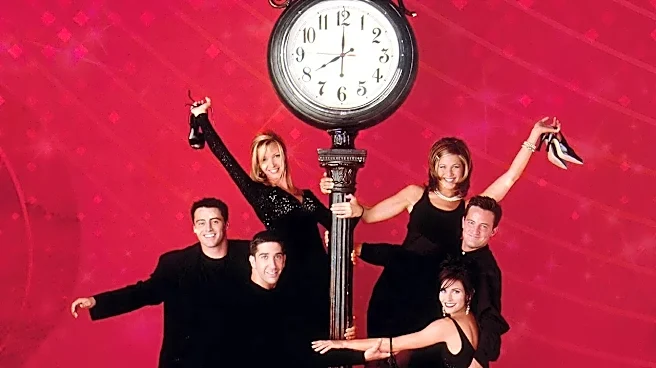
Many beloved shows, from sitcoms to prestige dramas, rely on a central, recurring location—think the coffee shop in 'Friends' or the TARDIS control room in 'Doctor Who'. For a pilot, establishing one visually interesting and versatile set is a classic budget-saving move. This “one great room” becomes a home base where a significant portion of the story can unfold. By investing the set design budget into a single, detailed, and well-lit space, the production gets maximum bang for its buck. It can be a detective's office, a family kitchen, or a futuristic ship's bridge. This strategy allows the crew to master the lighting and blocking of that space, making shooting more efficient while providing a strong visual anchor for the series.
Invest in Character, Not Spectacle
Explosions are expensive. Witty, compelling dialogue is free. When the budget is tight, smart showrunners double down on what truly hooks an audience: characters they care about. A pilot that spends its time establishing deep, relatable, or fascinating personalities creates an emotional investment that no amount of CGI can replicate. Two characters locked in a gripping, high-stakes conversation can be more mesmerizing than a dozen extras running from a computer-generated monster. By focusing on strong actors and a script that gives them rich material to work with, a pilot can feel emotionally massive, even if its physical scale is contained. The drama comes from what characters want, what they're hiding, and how they challenge each other.
Embrace the Power of Implication
Some of the most effective moments in television are the ones you don't see. The secret is to show the aftermath, not the expensive event itself. Instead of a massive, multi-car pile-up, you show the smoking wreck and a lone survivor crawling from the debris. Instead of a full-scale medieval battle, you show the exhausted, blood-spattered soldiers returning to camp. This technique forces the audience's imagination to do the heavy lifting, often creating a more powerful and personal image than anything that could have been explicitly shown. It’s a trick that not only saves a fortune on special effects, stunts, and logistics but also respects the intelligence of the viewer, drawing them deeper into the story.
Weaponize Light and Sound
A high production value is often less about what you're filming and more about how you're filming it. Cinematography and sound design are two of the most powerful tools for making a project feel expensive. Moody, atmospheric lighting can make a simple warehouse look like a villain's lair, while a dynamic, immersive soundscape can create tension and scale out of thin air. The sound of distant sirens, a creaking floorboard, or an echoing chamber can suggest a world far larger than the one seen on screen. Even the frame rate can make a difference; shooting at 24 frames per second, the standard for film, gives a more 'cinematic' and less 'video' feel than higher frame rates. These elements create a professional gloss that elevates every frame.