
The Setting: A Carpet of Gold and Glass Ceilings
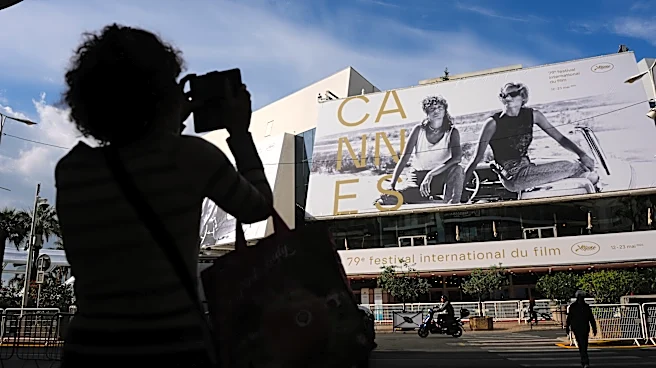
To understand the crisis, you have to understand the stage. The red carpet at Cannes, leading up the grand staircase of the Palais des Festivals, isn't just a walkway; it's a televised performance. Every
detail is scrutinized, from the couture gowns to the photographers’ scrum. For decades, it has operated on a strict, often unspoken, code of conduct. Black tie is non-negotiable for men. For women, the expectation of glamour is equally intense, though historically more fluid—until it suddenly isn’t.
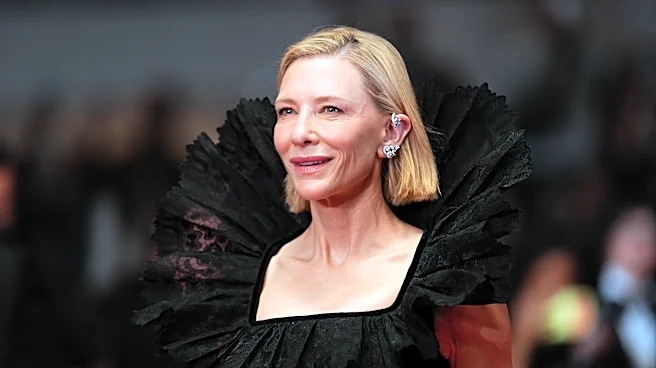
In May 2015, this temple of cinematic elegance was set to host the world premiere of *Carol*, Todd Haynes’ critically lauded romance starring Cate Blanchett and Rooney Mara. The film was a major contender, and its premiere was one of the festival’s hottest tickets. The producer behind it, Christine Vachon, was a titan of independent film, known for her sharp instincts and no-nonsense approach. She’d navigated funding battles, difficult shoots, and distribution wars. A red carpet, however, was about to present a new, entirely unexpected kind of fight.
The Crisis: The Stomp Heard 'Round the World
The problem started quietly, then erupted. Reports began trickling out that several women, some in their 50s and one with a medical foot condition, had been turned away from a screening. Their crime? Wearing flat shoes. The guards at the base of the famed steps deemed their rhinestone-adorned flats insufficiently formal, denying them entry.
The story was almost too perfect a metaphor. At an event celebrating art and expression, women were being judged and excluded based on their footwear. The industry trade publication *Screen International* broke the story, and within hours, social media had a new hashtag: #Heelgate. What was an arcane, unofficial dress code policy had, under the glare of the global media, become a full-blown crisis about sexism, tradition, and control.
The Producer's Playbook
This is where Christine Vachon stepped in. With her film’s premiere just days away, the controversy threatened to overshadow everything. A lesser producer might have issued a bland statement, tried to distance the film from the mess, or stayed silent. Vachon did the opposite. She leaned in.
Instead of playing defense, she went on the offensive. When asked about the brewing storm, Vachon didn’t mince words. She confirmed the rumors she’d heard and publicly questioned the festival's priorities. Her public statements were sharp, witty, and perfectly calibrated. The most widely reported quote, a masterstroke of defiance, was her (possibly tongue-in-cheek) declaration that the whole team behind *Carol*, including director Todd Haynes and stars Cate Blanchett and Rooney Mara, would wear combat boots to their own premiere in protest. Though they ultimately opted for heels, the message was sent. The narrative was no longer about a few disgruntled attendees; it was about a powerful producer and her A-list team standing against a ridiculous, sexist rule.
Turning a Scandal into a Statement
Vachon’s response gave other stars the cover to speak out. At a press conference for her own film, actress Emily Blunt called the rule “very disappointing.” She added, “Everyone should wear flats, to be honest. We shouldn’t wear high heels anymore.” Suddenly, the festival was on its back foot. Director Thierry Frémaux was forced to issue a statement, a classic non-denial denial that claimed there was no official policy but that ushers had shown “excessive zeal.”
By taking a firm, principled stand, Vachon transformed the narrative. She didn’t just handle a crisis; she weaponized it for good. The conversation shifted from “Did you hear about the shoe drama?” to “Can you believe the institutional sexism still at play here?” She centered the film and its creators as people who wouldn’t be bullied by archaic traditions. It was the perfect thematic tie-in for *Carol*, a film about women defying societal norms.