




An Evolution by Design
While comic conventions began as niche gatherings for comic book purists in the 1960s, New York Comic Con (NYCC) was built on a broader foundation from its inception in 2006. Organizers at ReedPop saw the writing on the wall: modern fan identity wasn't
confined to a single medium. From early on, the event welcomed anime, manga, and gaming, even running a parallel New York Anime Festival before absorbing it completely in 2012. This year, as NYCC celebrates its 20th anniversary from October 8-11, that multi-platform DNA is more apparent than ever. The event has evolved to mirror how fans consume media today, serving as what organizers call a "central nervous system for fandom."
The Architecture of Crossover
The physical layout of the Javits Center is a masterclass in encouraging exploration. Unlike cons that segregate different interests, NYCC’s show floor is a sprawling marketplace where major publishers like Marvel and DC have booths near gaming giants and anime distributors like Crunchyroll and VIZ Media. This intentional proximity means a fan walking to a comic artist's table might get sidetracked by a demo for a new video game or a display of exclusive manga. The floor plan itself acts as an engine of discovery, breaking down the silos between fandoms. Areas like Artist Alley, the Gaming Side Quest, and dedicated anime programming are distinct but flow into one another, turning the entire convention into a unified pop culture landscape.
Programming That Bridges Worlds
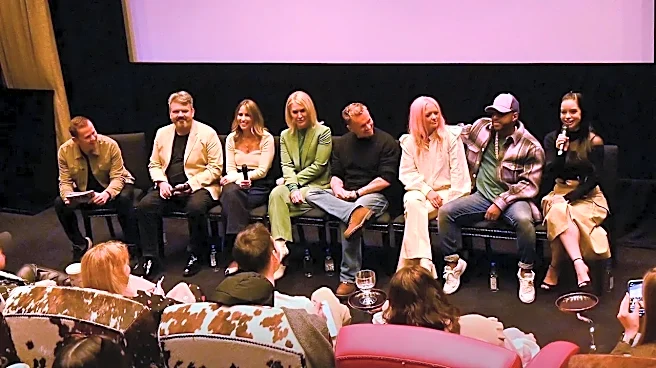
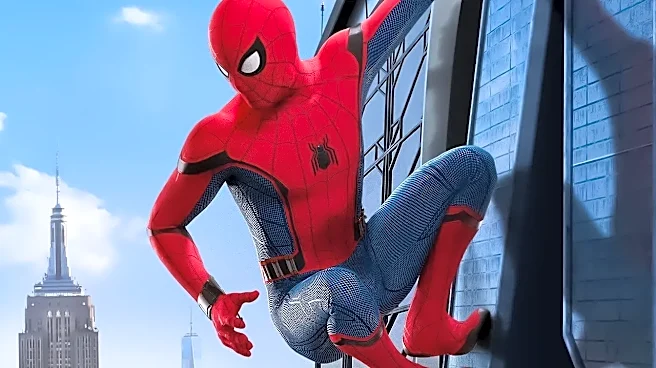
The panel schedule is where NYCC’s hybrid identity is actively curated. This year's lineup showcases this philosophy with panels that appeal across genres. You might find a discussion with the English voice cast of a hit video game like 'Final Fantasy VII' followed by a deep dive into Marvel's upcoming comic universe. There are panels with legendary comic artists like Jim Lee and Todd McFarlane, alongside stars from shows like 'Game of Thrones' and 'Stranger Things'. The convention also features world premieres of anticipated anime, such as 'Dragon Ball Super: Beerus'. These events don't just cater to separate groups; they create a shared experience, where a 'Star Wars' fan might attend a 'One Piece' panel and discover a new passion. It’s a recognition that the person who loves 'Spider-Man' might also be obsessed with 'Halo' and 'Jujutsu Kaisen'.
The Rise of the Omni-Fan
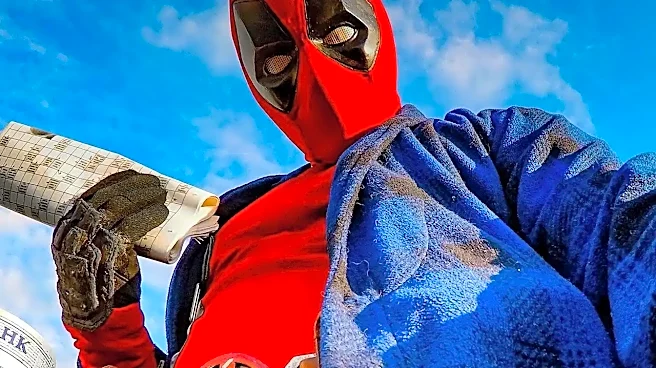
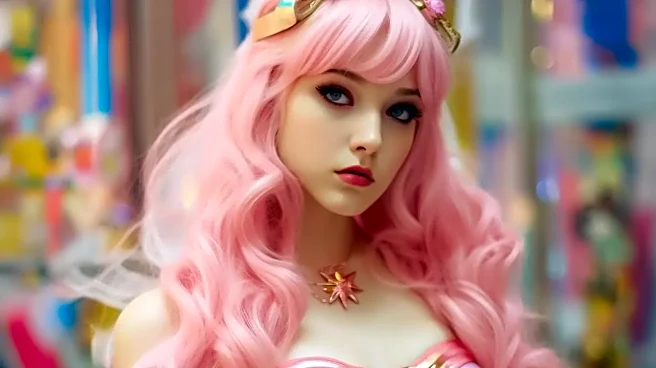
Ultimately, NYCC thrives because it reflects the modern fan. In an age of streaming services that offer global anime libraries, game subscription services, and blockbuster cinematic universes, being a fan of just one thing is increasingly rare. Today's enthusiasts are “omni-fans,” curating their identities from a wide spectrum of pop culture. They read comics on digital apps, watch subtitled anime the day it airs in Japan, and participate in global gaming communities. NYCC provides a physical space that validates this blended identity. Seeing thousands of others who share the same diverse passions creates a powerful sense of community and belonging. The elaborate cosplay alone tells the story: you'll see creative mashups of characters from entirely different properties, a visual testament to a generation of fans who refuse to stay in one lane.