


A Script That Broke the Mold
The story begins with Callie Khouri, a music video producer who, in 1988, decided to write her first screenplay. She wasn’t trying to write a blockbuster; she envisioned a small, independent film about two ordinary women who choose themselves over their
suffocating lives. The script was raw, funny, and utterly unapologetic. It treated its female characters not as objects of desire or sidekicks to male heroes, but as complex, flawed, and compelling protagonists in their own right. It was a story about female friendship and liberation that simply hadn't been told on screen in this way before. The problem? Hollywood in the late 1980s didn't quite know what to do with it.
Too Female, Too Risky, Too Different
The central reason for the film's long development stall was that the male-dominated studio system simply couldn't see its potential. Executives reportedly loved the writing but were baffled by the concept. Who was the audience for a movie about two women—one a waitress, one a housewife—who end up on the run after one of them kills a man for attempting to rape the other? It wasn’t a comedy, it wasn't a straight drama, and it certainly wasn't an action movie in the conventional sense. Many producers and directors passed, unable to grasp the story's power beyond its surface details. There was pressure to change the ending, to make it less definitive, to soften its radical, tragic, and triumphant final choice. The script challenged the very formula that Hollywood ran on, and for years, that made it a risk no one was willing to take.
A Revolving Door of Stars and Directors
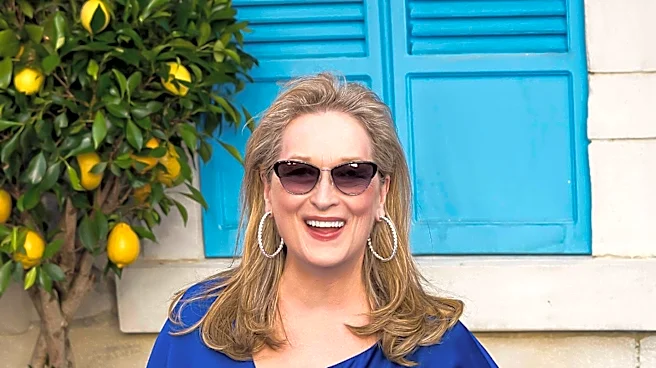
Even as the script gained a legendary reputation in Hollywood, getting it cast and helmed was a chaotic process. At various points, stars like Meryl Streep, Goldie Hawn, Michelle Pfeiffer, and Jodie Foster were attached or considered, but scheduling conflicts and the project's long gestation period caused them to move on. Pfeiffer and Foster were set to star but had to drop out as the film languished. Finding a director was just as difficult. Numerous filmmakers, including Richard Donner, were interested but ultimately moved on. Geena Davis, who would eventually win an Oscar nomination for her role as Thelma, initially pursued the part of Louise and signed a contract allowing her to play either role, a testament to the casting uncertainty.
How Ridley Scott Became the Unlikely Savior
The project’s fortunes changed when the script landed with director Ridley Scott. Known for visually stunning, male-centric epics like Alien and Blade Runner, he was initially only going to produce. But after a long and fruitless search for the right director, Scott reread the screenplay and realized he was the one to make it. His involvement was the turning point. Scott’s reputation as a master stylist and a blockbuster filmmaker gave the project the commercial credibility it had been lacking. He saw the story not as a small “chick flick” but as a grand American myth, an epic set against the vast landscapes of the West. His vision elevated the material, attracting the final cast and, crucially, securing the financing from Pathé Entertainment and MGM to finally get the cameras rolling.