


It Starts with a Story
A merely formal outfit checks the boxes of a dress code, like black-tie or creative formal. It’s elegant, appropriate, and polished. A cinematic outfit, however, tells a story. This is the core difference. The look is a deliberate performance, an extension
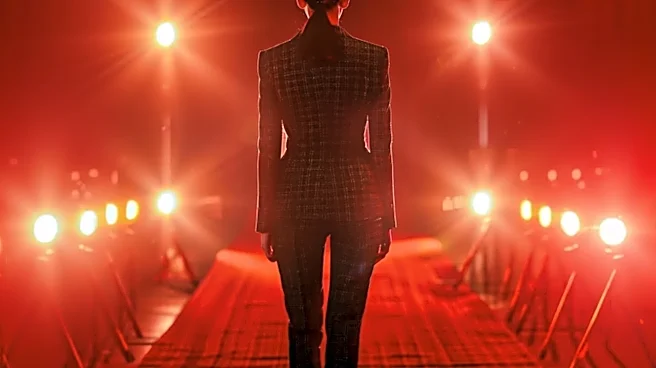
of the film being promoted, the character being portrayed, or the star's own evolving public identity. Think of it as 'method dressing'. When an actor's style on the red carpet aligns with the project they're promoting, it creates a powerful connection between the on-screen world and the real-life event. The outfit becomes a piece of visual storytelling, communicating a message before a single word is spoken. It's not just a dress; it's a statement of intent, designed to be analyzed and remembered.
An Embrace of Drama
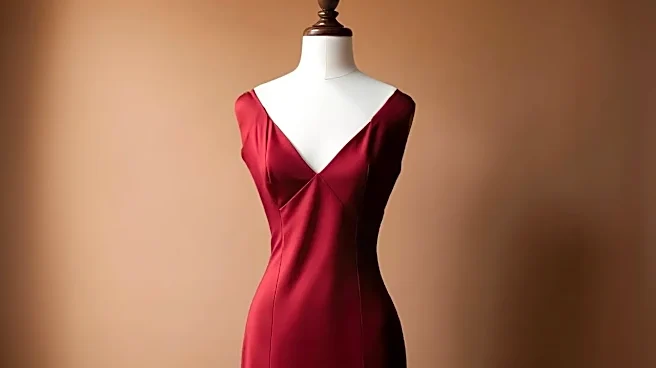
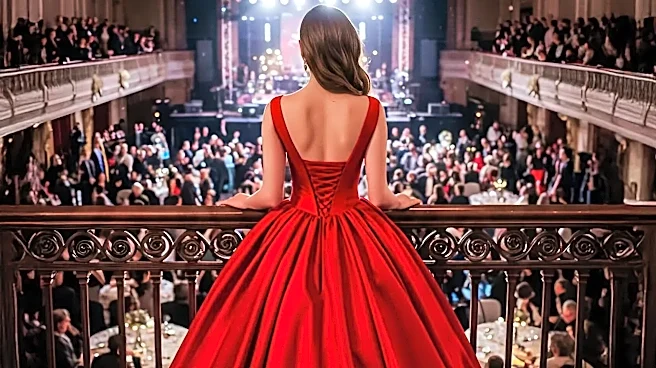
Formalwear respects tradition; cinematic fashion craves drama. This drama often comes from silhouette, movement, and scale. A dress that sweeps, billows, or features an exaggerated shape is designed for the camera's gaze. Think of a gown with a commanding train, a sculptural bodice, or a cascade of feathers—these elements are not just decorative, they are performative. They ensure the wearer makes an impact not only in person but in the thousands of photographs that will define the event. It’s about creating a memorable visual, a moment that feels larger than life, much like the movies themselves. A simple, well-tailored gown can be beautiful, but it rarely achieves the iconic status of a look that plays with proportion and dares to take up space.
A Conversation with Cinema
The most successful festival looks often feel like they are in direct conversation with the history of film. This can manifest in several ways. An actor might choose a look that references a classic movie icon, evoking old Hollywood glamour. Alternatively, the outfit may pay homage to the specific genre or aesthetic of the film being screened, like a dark, gothic ensemble for a mysterious thriller. Sometimes, designers even model new creations after iconic film dresses of the past. This self-referential loop—where film inspires fashion and fashion then performs for the film world—is what gives these moments such cultural weight. The outfit isn't just for a party; it's an entry into the cinematic canon.
The Power of Auteur Styling
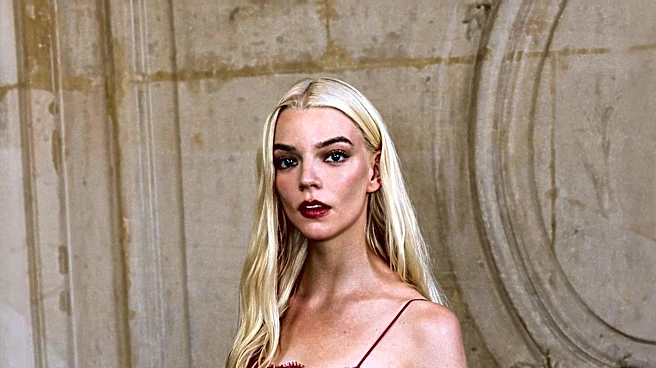
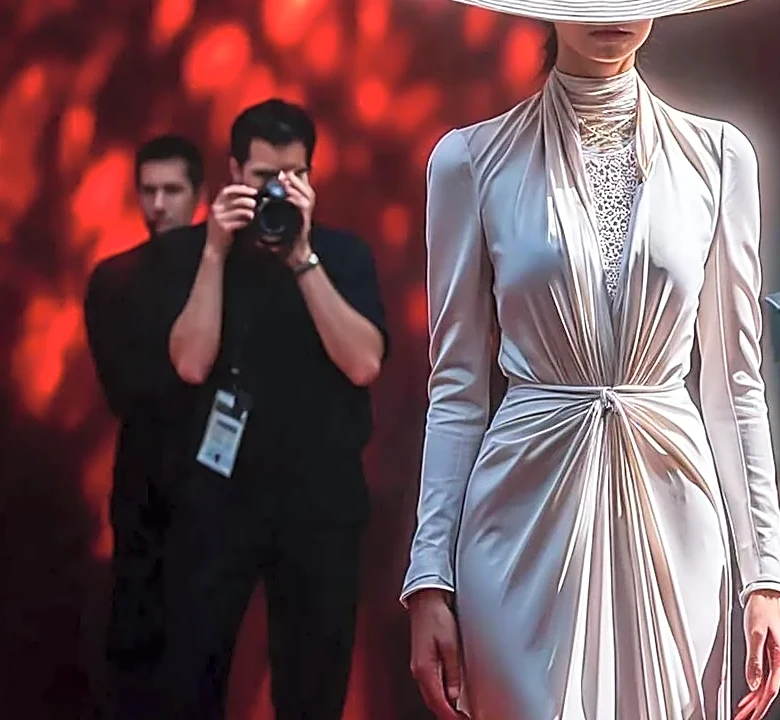
A cinematic look is never just about the dress. It is a fully realized vision from head to toe. The hair, makeup, and jewelry are not afterthoughts but crucial components of the story. A bold lip, a dramatic eye, or a specific hairstyle can completely change the narrative of a gown. Likewise, the choice of accessories can add layers of meaning or provide a surprising counterpoint. This holistic approach is the work of a skilled stylist who acts almost like a film director, ensuring every single element works in harmony to create a cohesive and powerful image. It's the difference between putting on clothes and building a character.
An Element of Risk
Ultimately, the line between 'formal' and 'cinematic' is often defined by risk. Playing it safe with a universally flattering but predictable gown ensures you won't end up on a 'worst-dressed' list, but it also guarantees you won't make history. Memorable fashion moments almost always involve a bold choice—an unexpected color, a challenging silhouette, or a boundary-pushing designer. Think of Billy Porter's tuxedo gown or Zendaya's consistently thematic looks; these are talked about because they challenge our expectations of red carpet attire. They prove that at a film festival, the greatest fashion statement is one that is as creative, daring, and unforgettable as the films being celebrated.