






The American Sporting Psyche
North American sports fandom is a different beast. Unlike the constant, song-driven, collective roar of a European soccer terrace, the sound of an American stadium is often reactive and analytical. It rises and falls with specific moments: the third-down
pass, the full-count pitch, the fast break. Fans are conditioned by sports that are broken into discrete, high-stakes plays. This creates a culture obsessed with individual performance metrics, clutch moments, and clear heroes. We don’t just watch the game; we watch the quarterback’s passer rating, the batter’s RBI count, and the point guard’s fourth-quarter points. We crave a narrative, and our favorite stories are often about the individual who seizes the moment when the pressure is highest.
The Loneliest Job in Sports
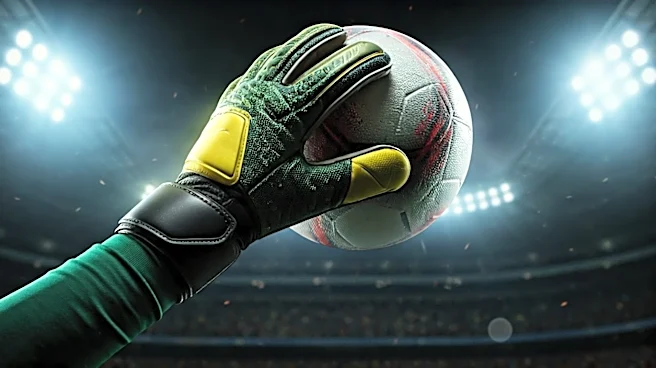
Now, consider the goalkeeper. It is arguably the most psychologically demanding position in all of sports. A keeper is an isolated figure, often a spectator for long stretches, only to be thrust into the absolute center of the action with zero margin for error. A striker can miss four chances and score on the fifth to become a hero; a keeper can make ten brilliant saves, but a single mistake can define their entire match, or even their career. They are the last line of defense, shouldering a unique burden of responsibility where their successes are expected and their failures are catastrophic. This intense pressure-cooker environment makes them a natural focal point.
A Collision of Fan Cultures
Here's where it gets interesting. When you place the isolated, high-pressure world of the goalkeeper in front of a North American crowd, you create the perfect conditions for a main character to emerge. While international fans chant for their team as a whole, American fans are uniquely equipped to fixate on the individual duel. The keeper versus the striker becomes a narrative they understand instinctively—it’s the pitcher versus the batter. Every save isn't just a defensive play; it's a personal victory. Every goal conceded isn't just a team failure; it's a dramatic plot point for the person standing in the net. The crowd will be looking for a protagonist, and the player whose performance is most visibly and dramatically tied to the game's outcome is the keeper.
The Penalty Shootout: A Keeper's Coronation
Nowhere will this phenomenon be more apparent than in a penalty shootout. A shootout strips away the team dynamic and boils the world's most popular sport down to a primal, one-on-one confrontation—a format that resonates deeply in American sports culture. The statistics are against the keeper; most penalties are scored. This underdog status, combined with the intense psychological gamesmanship involved, is pure drama. A keeper who can make a crucial save, who can read the kicker's nerves, or even just exude a commanding presence, becomes more than a player; they become a legend. For a North American audience accustomed to celebrating the 'closer' in baseball or the 'clutch' shooter in basketball, the goalkeeper in a penalty shootout is the ultimate hero-in-waiting.