





A Spectacle in the Dust
Before “festival fashion” was a mass-marketed category, there was playa style. For decades, one of the most enduring and endearing sights at Burning Man has been the glorious clash of formal attire against the harsh, primitive landscape of the Black Rock
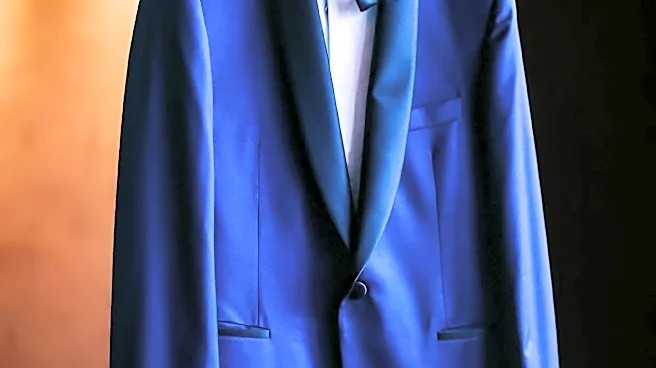
Desert. Think top hats and goggles, tailcoats paired with combat boots, and sun-faded ball gowns accessorized with a thick layer of alkali dust. It’s a look that’s equal parts sophisticated and post-apocalyptic, a walking piece of performance art. This isn't about looking good in the traditional sense; it's about embracing a surrealist dream where the dress code for a high-society ball has been reinterpreted for the end of the world.
Anarchic Roots and Thrift Store Gold
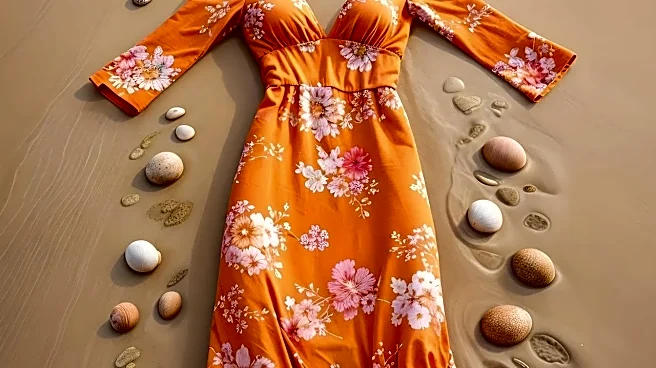
This tradition wasn't born from a style guide. Its origins trace back to the event’s early, more anarchic days in the 1990s, deeply influenced by its founders from the San Francisco-based Cacophony Society—a group known for pranks and absurdist public events. In the beginning, costumes were often handmade, quirky, and deeply personal. The formalwear trend emerged organically from this DIY spirit. Thrift stores were treasure troves for early attendees who wanted to create a striking look without spending much money. A decades-old prom dress or a moth-eaten tuxedo could be had for a few dollars, providing the perfect canvas for creative alteration or, even better, no alteration at all. The very act of wearing something so out of place was a rebellious statement in itself, a joke shared among thousands.
More Than a Costume, a Principle
The mismatched formalwear aesthetic perfectly embodies several of Burning Man's 10 Principles. First and foremost is Radical Self-Expression, the freedom to be unapologetically yourself. Wearing a velvet smoking jacket in 100-degree heat is a pure, unadulterated act of individual choice. It also speaks directly to Decommodification. In a world saturated with fast fashion and branded festival attire, grabbing a $10 gown from a Reno thrift store is an act of resistance against consumer culture. It prioritizes participation over consumption. You aren’t buying a pre-packaged identity; you are creating one from the discarded artifacts of mainstream society. This approach ensures that the barrier to entry for creative participation remains low, making it an inclusive form of expression for everyone.
The Evolution of an Un-Trend
As Burning Man has grown from a few hundred people to a metropolis of nearly 80,000, its fashion has evolved. Today, the playa is filled with elaborate, custom-made steampunk creations, LED-laced bodysuits, and entire camps with coordinated, thematic outfits. A cottage industry of “burner fashion” now exists, which some early attendees might view with skepticism. Yet, the humble thrift store tuxedo and its mismatched formal brethren persist. They serve as a vital link to the event's improvisational past. For many, the annual ritual of haunting thrift shops in the weeks before the event is an essential part of the experience. It’s a scavenger hunt for the beautifully absurd, a reminder that the most profound statements don’t require a big budget—just a willingness to play in the dust.