






More Than Just a Pretty Set
So, what does a production designer actually do? It’s a common misconception that they just pick out cool furniture. In reality, they are the chief visual architects of a film. Working from the script and in constant collaboration with the director and cinematographer,
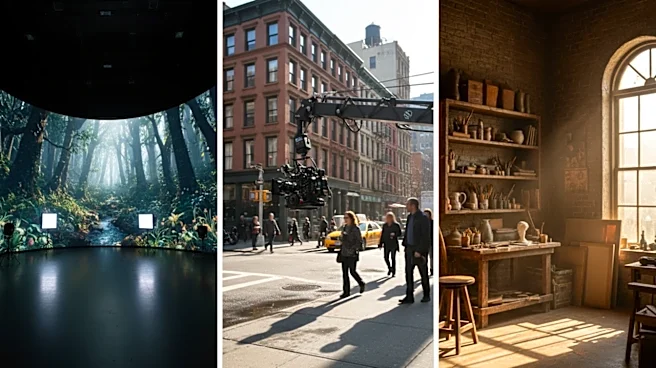
the production designer conceives and creates the entire look and feel of a movie. This starts weeks or even months before filming, with deep research, concept sketches, and building a cohesive visual theme. They oversee a massive art department—from set decorators and prop masters to construction crews and scenic painters—to ensure every single visual element serves the story. Whether a film is set on a distant planet or in a suburban tract house, the production designer is responsible for making that world feel authentic, textured, and, above all, believable.
The Silent Storytellers
Great production design is rarely just about aesthetics; it's about character and narrative. The environment a character inhabits can tell us more about them than pages of dialogue. Think about the chaotic, bohemian apartment in one film versus the sterile, minimalist condo in another. One suggests a life of spontaneous creativity, the other a life of rigid control. Production designers use a visual language of color, texture, and space to evoke a mood, establish a time period, and reveal the internal state of the characters. The fantastical, steampunk-infused cityscapes of “Poor Things” (2023) reflect its protagonist’s surreal journey of discovery, while the brutalist, monolithic structures of Arrakis in “Dune” (2021) communicate the planet’s harshness and the immense scale of its power dynamics. This is storytelling at its most subliminal and powerful.
Surviving Awards Scrutiny
When it comes to awards like the Oscars, voters are looking for work that transcends mere decoration. The category, once called Art Direction, was renamed Production Design in 2012 to better reflect the comprehensive creative leadership involved. Voters, many of them fellow designers, scrutinize every detail. They’re looking for originality, consistency, and how seamlessly the design is integrated into the narrative. Does the world feel lived-in and historically accurate? Does it create a unique and unforgettable atmosphere without overpowering the story? Films that are fantastical, historical, or set in a sci-fi world often get more attention because the designer's hand is more visible. But the highest praise is often reserved for designs that build a complete, immersive reality that audiences get lost in. Recent winners like “Poor Things,” “Wicked,” and “Frankenstein” showcase the Academy’s love for imaginative, large-scale world-building.
From Blueprint to Big Screen
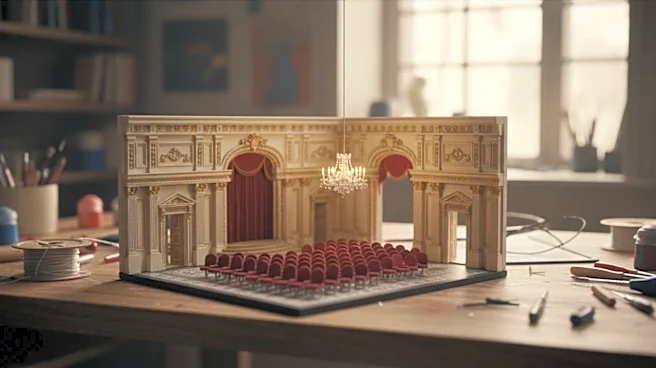
The job is a monumental undertaking, blending artistic vision with logistical wizardry. A designer’s day can swing from approving color palettes and sketching sets to scouting locations in a car with the location manager and managing a multi-million-dollar budget. They read the script not just for plot, but for clues about the world it needs. What does a character’s messy desk say about their state of mind? What kind of architecture defines a futuristic society? They then translate these ideas into blueprints and plans for their teams. The ultimate goal is to create a physical space that feels so right for the story that it becomes almost invisible to the audience, allowing them to fully immerse themselves in the film's reality. The design shouldn't distract; it should support, enhance, and ultimately become an inseparable part of the cinematic experience.