

More Than a Throwback
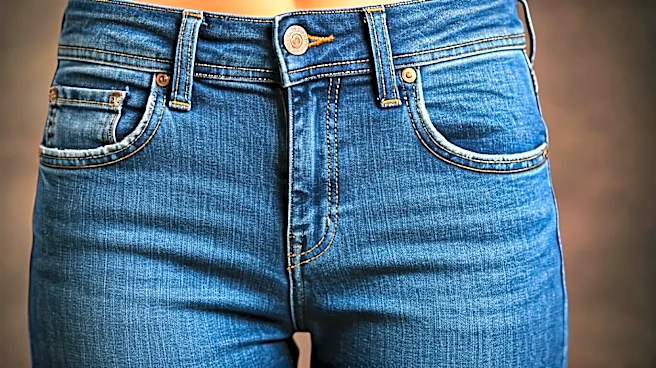
First, let's call the trend by its many names. It's the micro-mini skirt that Miu Miu made ubiquitous. It’s the ‘floss’ straps crisscrossing an abdomen on a dress. It’s the triumphant, and for some, terrifying, return of the low-rise jean. It's the sheer
fabrics that suggest rather than conceal. Collectively, it’s a mood of deliberate exposure that borrows heavily from the early 2000s but feels different in a post-pandemic world. Where Y2K fashion was often presented on a single, ultra-thin body type, its 2020s revival is happening in a culture steeped in years of body positivity discourse. This collision of a revealing aesthetic with a more body-aware mindset has created an unexpected, and frankly, much-needed, side effect.
The Death of 'Is It Flattering?'
For decades, the primary question women were taught to ask about clothing was, “Is it flattering?” This was code for a very specific set of rules: Does it make me look thinner? Taller? Does it create an hourglass shape? Does it hide my stomach or slim my thighs? These questions presumed a single, ideal silhouette that everyone should aspire to. The new wave of minimal-coverage clothing simply doesn't play by those rules. A dress with a hip cut-out isn’t trying to ‘flatter’ in the traditional sense; it’s there to be a design element. Low-rise jeans don’t seek to contour the waist; they sit where they sit. By their very design, these pieces force a different line of questioning. The conversation is shifting from “Does this make me look good?” to a more personal and powerful question: “Do I feel good wearing this?” It’s a subtle but seismic change, moving the focus from external approval to internal confidence.
When Standard Sizing Fails
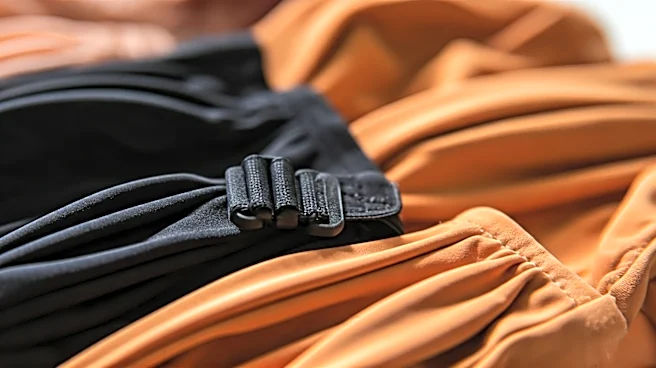
This trend also exposes the fundamental flaws of standardized sizing. A ‘medium’ t-shirt can accommodate a wide range of body shapes. A ‘medium’ dress with a geometric side cut-out cannot. Where that cut-out lands depends entirely on the wearer's unique torso length, hip width, and proportions. A strap that sits perfectly on one person might dig uncomfortably into another. This isn’t a flaw in the wearer’s body; it’s a limitation of mass-produced clothing. As a result, shoppers are being forced to have more sophisticated conversations about fit. We’re seeing more people on social media sharing not just their size, but their height and measurements to give context to how a garment truly fits. This pushes the dialogue past a simple number or letter and into the realm of actual body dimensions, forcing a level of specificity that fast fashion has long ignored.
Empowerment or Exclusion?
Of course, there’s a sharp critique of this trend: that it’s just another way to center and celebrate thin bodies, leaving many feeling excluded. This is an undeniable part of the story. On the runway and in high-fashion campaigns, the look is still overwhelmingly shown on one body type. However, the interesting part is what’s happening on the ground. On TikTok, Instagram, and in the real world, people of all shapes and sizes are trying, styling, and adapting these trends for themselves. They are the ones forcing the ‘better fit conversation.’ A plus-size creator demonstrating how she styles a crop top isn’t just wearing a trend; she’s challenging the implicit rule about who gets to wear it. The tension between the trend's exclusionary origins and its inclusive, real-world adoption is precisely what makes it so culturally significant. It’s a real-time negotiation over who gets to participate in fashion.