







Deconstruct the Designer Original
Before you even start searching for a look-alike, take a moment to be a detective. What makes that expensive swimsuit so desirable? It’s rarely just one thing. Look past the brand name and the perfect influencer photo. Is it the unique texture, like the crinkly,
seersucker-style fabric popularized by brands like Hunza G? Is it the specific cut—a dramatic scoop back, a high-cut leg that elongates the body, or a cleverly placed cutout? Perhaps it’s the hardware, like a tortoiseshell ring or a chic belt. By identifying the two or three key elements that truly make the suit special, you create a focused shopping list. You aren't looking for an exact replica of a Mara Hoffman print; you're looking for a well-constructed, color-blocked one-piece with a supportive shelf bra.
Master the Material Vocabulary
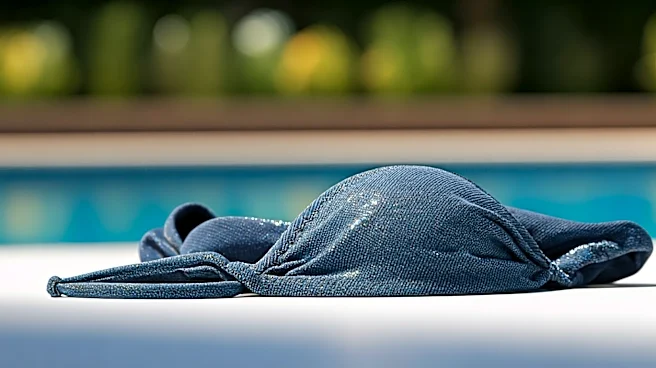
The single biggest giveaway of a “cheap” swimsuit is flimsy, unlined, and unforgiving fabric. High-end brands invest in materials that sculpt, support, and last. To find a dupe that feels expensive, you need to look for similar qualities. Check the tag or product description for a blend of Nylon and Spandex (or Lycra/Elastane). A higher percentage of Spandex (around 20%) usually means more stretch, hold, and resilience. Look for keywords like “ribbed,” “crinkle,” or “pique,” which describe textured fabrics that are excellent at hiding minor imperfections and often look more substantial. The most critical feature? A full lining. A suit that is lined in both the front and back will feel more secure, prevent sheerness when wet, and hold its shape season after season. Never settle for an unlined suit.
Prioritize Fit and Construction
A dupe can have the same color and print as a designer piece, but if the construction is poor, it will never look right. The best affordable swimsuits mimic the *structure* of their pricier counterparts. Pay close attention to seams. Are they flat and smooth, or are they bulky and likely to dig in? Look for features that offer hidden support, like a built-in shelf bra with soft cups, subtle boning on the sides of a strapless top, or adjustable straps and ties that allow for a customized fit. Seamless-style edges are another hallmark of higher-end design, as they lie flat against the skin and create a smoother silhouette. These construction details are what separate a saggy, unflattering suit from one that makes you feel confident and supported, regardless of its price.
Know Where to Look (and How to Search)
Once you know what you’re looking for, you can search more effectively. Don't just type “bikini” into a search bar. Use the descriptive keywords you identified earlier: “black crinkle one-piece,” “high-waist bikini with belt,” “terry cloth swimsuit,” or “colorblock bandeau.” Retailers like Aerie, Old Navy, and Target’s in-house brands have become remarkably adept at producing on-trend, well-constructed swimwear. Online, behemoths like Amazon can be a goldmine if you’re patient and willing to read reviews religiously—pay special attention to customer photos, which provide a much more realistic look at fit and fabric than professional product shots. Don’t discount off-price stores like T.J. Maxx or Nordstrom Rack, where you can sometimes find last season’s designer suits for a fraction of their original cost.
Elevate with the Finishing Touches
Sometimes, the smallest details make the biggest difference. When comparing potential dupes, examine the hardware. Does the suit use cheap, shiny plastic clasps and adjusters, or does it have matte metal or resin-style hardware that looks more refined? Even the color can play a role. Solid, rich jewel tones, earthy neutrals, and classic black or white often look more expensive than busy, digitally printed patterns that can appear pixelated up close. Once you have your suit, styling is your final tool. Pair it with a simple linen cover-up, a great pair of sunglasses, and a structured straw bag. When your accessories look intentional and high-quality, your entire beach or poolside look is instantly elevated, proving that true style is about how you put things together, not how much you spent.