





The Star Who Said No
In 1931, Universal Studios was eager to capitalize on the massive success of Dracula. The obvious next step was another monster movie, Frankenstein, and the studio had the perfect man for the job: Bela Lugosi. Fresh off his star-making turn as the captivating
Count, Lugosi was Universal’s new horror icon. His name was even used on early promotional materials for the film. The logic was simple: if audiences loved him as a vampire, they’d flock to see him as a man-made monster. Universal offered him the part, assuming it was a done deal. They couldn't have been more wrong.
An Insulting Offer
Bela Lugosi was insulted by the offer to play the Monster. After enchanting audiences with his signature Hungarian accent and commanding stage presence in Dracula, he saw this new part as a major step down. The early script conceived the creature as little more than a grunting, shuffling brute with no lines of dialogue. Lugosi, a classically trained actor, felt the role was beneath him and feared being typecast in grotesque, non-speaking parts. He allegedly fumbled his screen test on purpose, and the studio, seeing the disastrous results, took him off the project. The career-making role was suddenly vacant, and the search was on.
A Fateful Cafeteria Encounter
Enter William Henry Pratt, a 43-year-old character actor working under the stage name Boris Karloff. After appearing in more than 80 films, he was still largely unknown to the public. The story goes that director James Whale spotted the tall, gaunt actor in the Universal commissary and was struck by his uniquely expressive face. Whale, who had taken over the project, had a different vision for the Monster than the studio did. He saw the potential for pathos and tragedy, not just horror. He invited Karloff for a screen test, and the rest is cinematic history. Karloff, far from being insulted, jumped at the chance he had been waiting for his entire career.
Creating an Icon
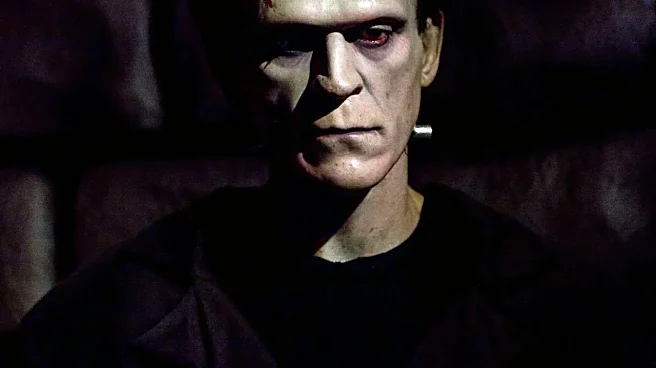
Karloff didn’t just play the Monster; he helped create him. He endured four hours of grueling makeup application each day with artist Jack Pierce and wore a padded, bulky suit with 11-pound boots to create the creature's signature lumbering gait. More importantly, he brought a soulfulness to the role that Lugosi likely never would have. Karloff portrayed the Monster as a misunderstood child, frightened and confused by a world that immediately hated him. His performance was filled with a subtle sadness and innocence that transformed a potential B-movie beast into one of cinema's most enduring and sympathetic figures. It was a twist of fate that not only launched Karloff into stardom but also gave the film its timeless heart.