



The Myth of "No Light"
The first rule of lighting a dark scene is that you still need plenty of light. The trick isn't to remove light, but to control it with surgical precision. Cinematographers, or Directors of Photography (DPs), start by eliminating unwanted ambient light and
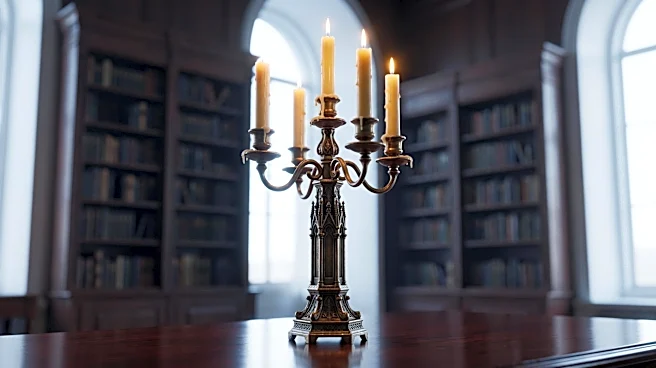
then build the scene back up from black. They create what's called “motivated light,” where every source of illumination has a logical origin in the story. Think of the pale, blueish glow of moonlight filtering through a window, the flickering warmth of a candle, or the sterile beam of a flashlight cutting through a basement. These sources feel natural, pulling you into the world without reminding you that you're watching a production. It’s about creating pools of light and, more importantly, shaping the shadows around them to build suspense and guide your eye.
Painting with Shadows
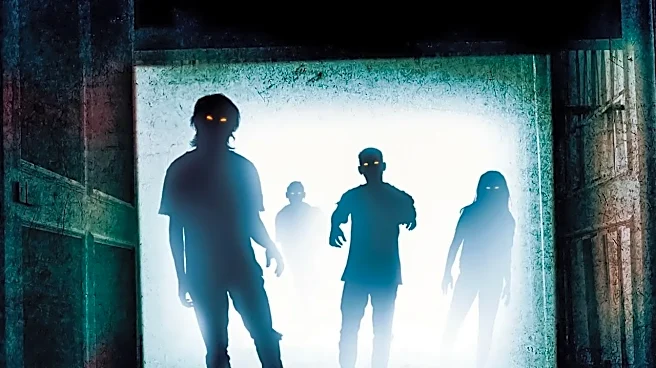
Great horror and suspense cinematography isn’t about what you see; it’s about what you don't see. Shadows are used to hide details and let the audience's imagination do the heavy lifting, which is often far scarier than anything that can be shown on screen. DPs use techniques like “negative fill,” which involves placing large black flags or cloths just off-camera to absorb light and create deeper, more defined shadows. This prevents the scene from looking flat or washed out, a common problem with sensitive digital cameras. It’s a process of subtraction. By ensuring the shadows have texture and depth, they can still reveal silhouettes and shapes, creating a sense of menace without sacrificing all visual information. The goal is a rich, detailed black, not a muddy, impenetrable gray.
The Home Viewing Problem
Creating a perfectly lit dark scene on set is only half the battle. The real challenge is making sure it survives the journey to your living room. A scene meticulously crafted in a dark color-grading suite can look completely different on a bright phone screen or a poorly calibrated TV. This is where modern tech like High Dynamic Range (HDR) comes in. HDR allows for a much greater range between the brightest whites and the darkest blacks, preserving detail in both extremes. Cinematographers must grade their work to account for a huge variety of displays, from top-of-the-line OLED TVs to older LCDs. This often means creating multiple versions of a show to ensure a baseline level of quality, but inconsistencies still arise, leading to viewer complaints about shows like "House of the Dragon" being too dark to see.
Battling the Streaming Squeeze
Even with perfect lighting and HDR grading, there's one final villain: the streaming service's compression algorithm. To deliver massive 4K video files to millions of users, services like Netflix and HBO Max have to compress the data. This process can sometimes crush the subtle details in dark scenes, turning carefully sculpted shadows into blotchy, pixelated artifacts. Cinematographers are aware of this and often have to make creative compromises. They might slightly boost the light in the deepest shadows or avoid extremely fine textures that they know won't survive compression. They are essentially trying to future-proof their images against a technical process that's outside their direct control, ensuring the mood and story remain intact, even if a little visual fidelity is lost along the way.