

The Race Against the Clock
The first opponent every coach faces at halftime is the clock. The amount of time allotted dictates everything. In the NFL, halftime is a brisk 13 minutes. For the Super Bowl, it famously bloats for the entertainment, but during a typical Sunday, it’s a mad dash. Players jog in, grab fluids, get quick treatment from trainers, and huddle around coaches with tablets before they’re heading back out. The NBA and FIFA (for events like the World Cup) offer a more manageable 15 minutes. This provides slightly more breathing room for tactical deep dives. The longest break belongs to the NHL, with intermissions lasting 17 to 18 minutes. But this time is deceptive. Players need to rehydrate and refuel after an intense period, trainers are busy tending
to bumps and bruises, and equipment managers might be fixing skates or sticks. By the time the coach gets the team’s undivided attention, a significant chunk of that time has already vanished. The efficiency of the locker room routine is as important as the information being shared.
Schematics on the Fly
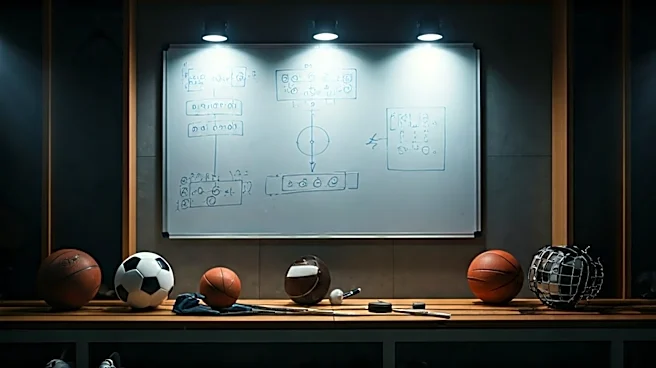
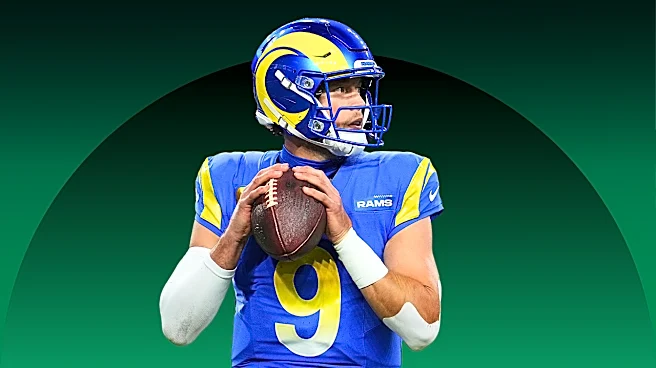
This is where coaches truly earn their money. The best halftime adjustments are not about inventing a brand-new game plan but about making precise, targeted changes. In football, this is a high-tech operation. Coaches and coordinators get league-provided tablets moments after a play ends, allowing them to show players exactly how a defensive lineman was blocked or why a specific pass route wasn’t open. They’ll identify a weakness—maybe an opponent’s linebacker is slow to cover the flat—and design 2-3 specific plays to exploit it in the second half.
In basketball, it’s all about the whiteboard. A coach might diagram a new way to defend the pick-and-roll that’s been killing them, or tweak the team’s offensive spacing to create better shots. In soccer, the changes can be more sweeping. A manager might shift the entire formation, moving from a 4-4-2 to a 4-3-3 to gain more control of the midfield, or instruct a winger to play more defensively to help a struggling fullback. The goal isn’t to overwhelm players with information, but to give them one or two clear, actionable solutions to the biggest problems from the first half.
The Art of the Speech
While tactics are critical, a team that isn’t in the right headspace can’t execute them. The halftime speech is a legendary part of sports lore, but it’s rarely a one-size-fits-all screaming match. Great coaches are great communicators who read the room. If a team is playing tight and scared, a fiery, motivational speech might only make them more tense. In that case, a calm, confident, and analytical tone can be more effective. The coach’s job is to restore belief and focus.
Often, the most powerful messages come from other players. Coaches will frequently cede the floor to a team captain or a respected veteran to address the group. This player-led accountability can resonate more deeply than another speech from the same authority figure they hear from every day. Whether it's a star player demanding more effort or a role player pointing out a simple schematic fix they’re seeing on the court, these moments rebuild the team’s collective focus for the final push.
Refuel, Rehydrate, and Repair
You can’t adjust a game plan if the players’ bodies are breaking down. The physical reset during halftime is just as crucial as the mental one. The moment players enter the locker room, a finely tuned process begins. Athletic trainers are waiting to re-tape ankles, treat minor strains, and assess any injuries. Players immediately grab water or specialized electrolyte drinks to combat dehydration, which can cripple performance and decision-making.
Nutrition is simple and fast. You won't see anyone eating a heavy meal. Instead, players might grab easily digestible energy sources like fruit, energy gels, or protein bars. For sports like hockey and football, where the physical toll is immense, this short window is a vital opportunity to tend to the machine. Getting a player’s body ready to perform at its peak for another 30 minutes of football or 20 minutes of hockey is a science, and it’s the foundation upon which all tactical adjustments are built.