





The Last Stand for Immortality
For players like Lionel Messi and Cristiano Ronaldo, the World Cup is the one trophy that can cement an already historic career into the stuff of legend. Before winning in 2022, Messi had collected dozens of club trophies and individual awards, but the absence
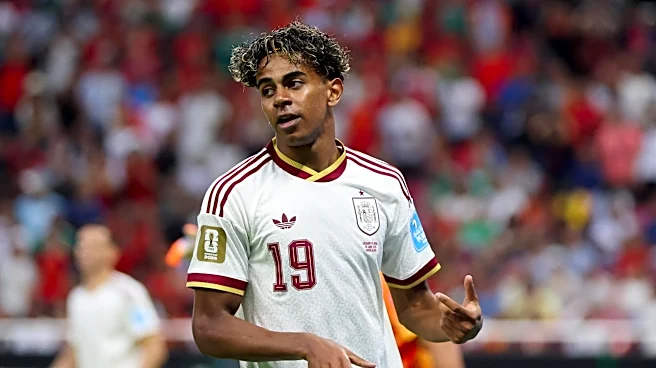
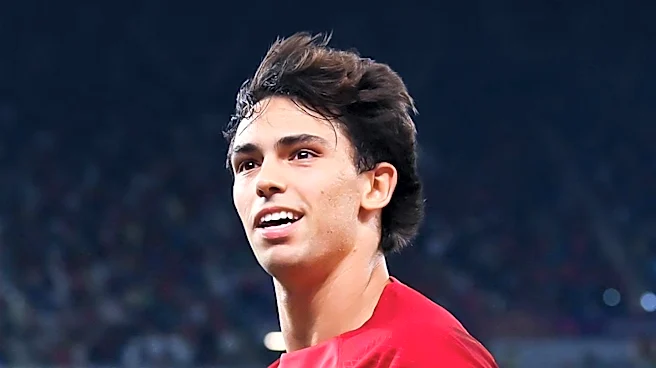
of a World Cup was the one persistent question mark on his claim as the greatest of all time. That quest, which he finally completed, was something he admitted to dreaming about for years. For a veteran star, a final World Cup run isn't just another tournament; it's the closing argument in their case for footballing immortality. The emotion seen on their faces is a raw display of what’s at stake: the culmination of a lifelong dream against the stark reality that there are no more chances. The pressure is immense, and the emotional release is often visible before the game even begins.
A Final Battle Against Time
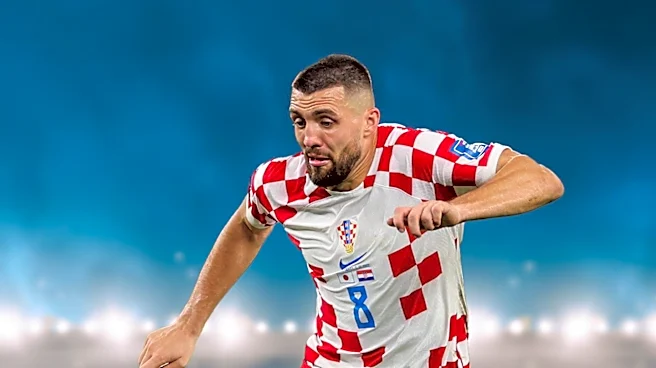
Professional sports careers are notoriously short. An athlete in their late 30s or early 40s is a rarity, defying the physical expectations of a grueling sport. Players like Luka Modrić, still commanding Croatia's midfield at 40 during the 2026 World Cup, are engaged in a final, defiant battle against their own bodies. Every sprint is harder, recovery is slower, and the risk of a tournament-ending injury looms large. This physical reality adds a layer of poignancy to their final campaign. They know their peak physical years are behind them, and this tournament represents the last time they can summon their world-class talent on the biggest stage. That tearful glance during the anthem is often a moment of profound self-awareness, acknowledging the end of a physical journey that has defined their entire life.
The Weight of a Nation's Dreams
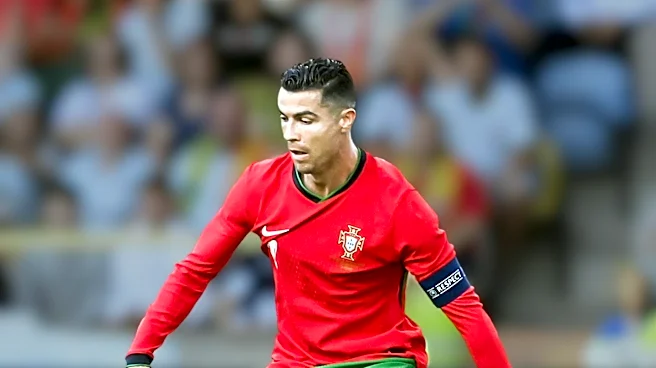
Representing your country is an honor, but for a veteran star, it’s also a heavy burden. For well over a decade, they have been the face of their nation's footballing hopes. Entire countries pin their collective joy and sorrow on the performance of their team, and by extension, their star player. We've seen Cristiano Ronaldo, a player often described as a machine, overcome with emotion while singing Portugal's anthem, understanding he was carrying the dreams of his country in what would likely be his final tournament. This isn't just about winning a game; it's about national pride, identity, and the hopes of millions of people who see themselves reflected in their team's struggle and success. That emotional display is a testament to the sheer scale of that responsibility.
The Loss of an Identity
For many elite athletes, their sport isn't just what they do; it's who they are. Their entire identity is often built around being a player from a very young age. Retirement from sport can trigger a significant psychological challenge, including feelings of loss, depression, and anxiety about the future. A final World Cup run forces this transition into sharp focus. The player is not just facing the end of their international career, but the end of a core part of their identity. The daily routine of training, the camaraderie of the locker room, and the adrenaline of competition are all about to disappear. That emotion is partly grief for a life that is ending, even as a new, uncertain one is about to begin. It's a deeply personal and often painful moment of transition played out on a global stage.