







The Critical Low Point
By the end of the 1980s, Clint Eastwood, the titan of the Western and the gruff cop thriller, seemed to be losing his way. While his stardom was undeniable, his creative output hit a rough patch. Films like the action-comedy "Pink Cadillac" (1989) and the buddy-cop
movie "The Rookie" (1990) were met with scathing reviews and lackluster box office returns. "Pink Cadillac," which paired him with Bernadette Peters, was dismissed by critics as an "overlong, undercooked action comedy." The New York Times suggested it would settle "comfortably near the bottom of the list" of Eastwood's films, calling it lazy and dull-witted. Similarly, "The Rookie," co-starring Charlie Sheen, was described by the Los Angeles Times as "warmed-over compost" and a "tired entry in an already terminally fatigued genre." This critical drubbing marked a rare moment of vulnerability for an actor who had been a box-office draw for decades. The consensus was that Eastwood was creatively adrift, churning out formulaic pictures that lacked the fire of his earlier work.
An Unlikely Masterpiece Emerges
Just two years after the critical failure of "The Rookie," Eastwood released "Unforgiven" (1992). It wasn't just another movie; it was a revelation. The screenplay, written by David Webb Peoples, had been floating around Hollywood for years, and Eastwood himself had optioned it much earlier, reportedly waiting until he was old enough to convincingly play the lead role of William Munny. Munny is an aging, retired outlaw, a former killer trying to live a quiet life as a pig farmer, haunted by his violent past. When a group of prostitutes in the town of Big Whiskey put a bounty on two cowboys who brutally disfigured one of their own, Munny is reluctantly pulled back into the life he tried to leave behind. The film was a stark departure from the action romps that preceded it, signaling a profound shift in Eastwood’s artistic direction.
Deconstructing the very Myth He Created
What made "Unforgiven" so powerful was how it systematically dismantled the myths of the Old West—myths that Eastwood's own career, from "Rawhide" to the "Dollars" trilogy, had helped build. Unlike the clean shootouts and clear-cut morality of classic Westerns, "Unforgiven" presented a world of brutal, clumsy violence with devastating consequences. The heroes are flawed, guilt-ridden men, and the line between lawman and outlaw is terrifyingly thin. Gene Hackman's chilling portrayal of Sheriff "Little Bill" Daggett is not a simple villain but a man who uses the law to enforce his own cruel brand of order. The film is a somber meditation on violence, age, and reputation. It's a Western that questions the very nature of the genre, exploring how legends are made and the ugly reality that often lies beneath the stories people tell.
Redemption and a New Legacy
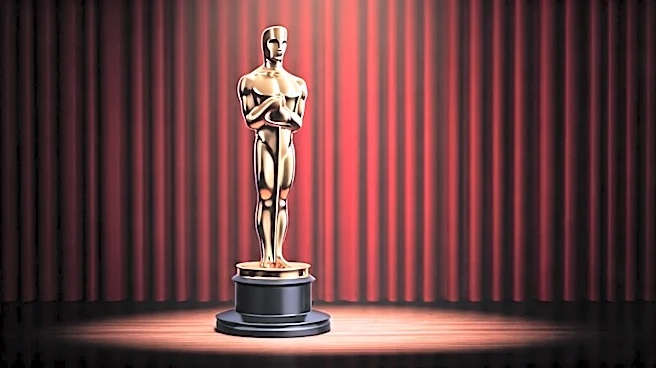
The response to "Unforgiven" was immediate and overwhelming. Critics who had dismissed Eastwood just a couple of years prior hailed it as a masterpiece. The film received widespread critical acclaim for its acting, directing, and complex themes. The comeback narrative was cemented at the Academy Awards, where "Unforgiven" won four Oscars, including Best Picture and a long-overdue Best Director win for Eastwood himself. It was only the third Western in history to win the top prize. This triumph wasn't just a commercial success; it was an artistic validation. It marked the moment Clint Eastwood, the movie star, fully transformed into Clint Eastwood, the revered filmmaker. The success of "Unforgiven" directly followed the commercial failure of "Pink Cadillac," which inspired Eastwood to move away from the action-comedy genre and pursue more serious work. This pivot defined the remainder of his career, leading to a string of critically acclaimed directorial efforts like "Mystic River" and "Million Dollar Baby."