


More Than a Famous Voice
First, let's separate the two booming genres of celebrity audio. On one side, you have the conversational chat show, where stars interview their famous friends. But a more interesting strategic game is being played in narrative podcasting, where celebrities
are hired as presenters for stories they didn't write or investigate. Here, the celebrity isn’t the main attraction but a vehicle—a trusted guide, a signal of quality, or a marketing engine. Podcast networks like Spotify and Audible are increasingly using A-list talent to narrate documentary series or lead the cast of scripted audio dramas. This isn't about filling airtime during a pandemic; it’s a deliberate business strategy designed to make new shows feel like essential listening in a crowded market.
The Audience and Authenticity Play
The most straightforward reason for celebrity casting is the built-in audience. In a world with millions of podcasts, a famous name is the ultimate shortcut to discovery. A star with millions of social media followers provides an instant marketing funnel, significantly reducing the risk for studios investing millions in production. However, the choice of host is also a branding exercise. A respected actor narrating a historical series lends it an air of intellectual gravity. A beloved comedian hosting a quirky mystery can signal a lighthearted tone. The goal is to create a sense of authenticity, making listeners feel the celebrity has a genuine connection to the material, even if their primary role is to read a script. This strategy helps attract new listeners who might not otherwise try a podcast.
Elevating Audio to Prestige Drama
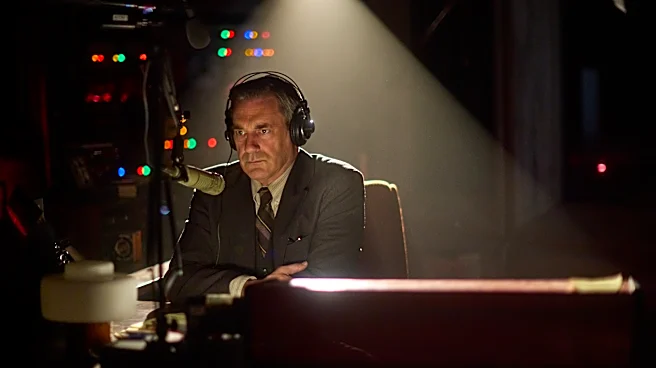
In the realm of scripted audio fiction, celebrity casting serves another purpose: elevating the medium itself. When A-list film and television actors like Jon Hamm or Kristen Bell lead a podcast series, it signals that the production is on par with a premium TV show. This helps attract listeners who may still associate audio fiction with old-timey radio plays. For the studios, it’s a prestige play. High-profile actors bring a level of performance and name recognition that generates headlines and makes the podcast feel like a major cultural event, justifying bigger budgets and higher subscription fees for platforms like Audible.
The True Crime Conundrum
True crime is one of podcasting's most dominant and lucrative genres, and celebrities have flocked to it. The psychology behind our fascination with these stories is complex, often rooted in a desire to understand criminal motivations and a morbid curiosity about the darker side of human nature. When a celebrity hosts a true crime podcast, it can bring massive attention to a case. But this is also where casting politics are most fraught. An ill-fitting host can feel exploitative, trivializing real-life tragedy for entertainment. The best celebrity-led true crime podcasts feature hosts who demonstrate a deep, personal investment in the story, often connecting it to broader themes of justice or victim advocacy. Listeners, particularly younger ones, are often drawn to these podcasts not just for the suspense, but for a sense of activism and community.
The Risk of a Mismatch
Despite the clear benefits, celebrity casting carries significant risks. When the host's persona feels disconnected from the subject matter, the entire project can ring hollow. Critics and listeners are quick to point out when a celebrity seems to be merely reading lines for a paycheck, shattering the illusion of authenticity that studios work so hard to create. The backlash against certain high-profile but poorly received projects shows that a famous name can't save a weak concept. Success requires a delicate balance: the celebrity's brand must align with the story's tone and substance. Without that synergy, the podcast can feel less like prestige entertainment and more like a cynical marketing ploy.