




The ‘Black Friday’ Disaster
In November 1993, the Pixar team screened the first half of 'Toy Story' for Disney executives. The event would become infamous within the company, dubbed the "Black Friday Incident." Following notes from then-Disney Chairman Jeffrey Katzenberg to give
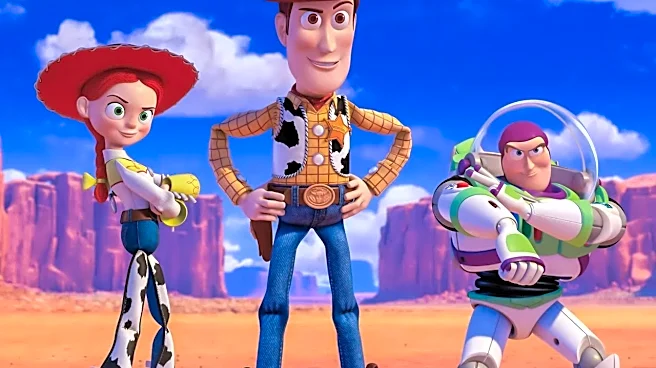
the film more "edginess," the characters had lost their charm. Woody, voiced by Tom Hanks, had morphed from a well-meaning leader into a sarcastic, tyrannical jerk who bosses around the other toys. Hanks himself reportedly noted during recording sessions that Woody had become unlikable. The result was a story reel filled with mean, unhappy characters that horrified Disney's head of feature animation, Peter Schneider, who promptly ordered a halt to production. The movie that John Lasseter and his team had set out to make was gone, replaced by something dark and cynical.
An Ultimatum and a Weekend Rewrite
With the film's future in peril, the Pixar team was given a stark choice: fix the story in two weeks or the project would be shut down for good. Lasseter and his core story group, including Andrew Stanton and Pete Docter, knew the problem wasn't just a few bad scenes; it was the very soul of the movie. They had to rebuild it from the ground up. Rejecting Disney's notes that had led them astray, the team locked themselves away to rediscover the heart of their film. This intense period of story triage over a single crucial weekend would become the stuff of animation legend, a make-or-break moment that determined the fate of not just 'Toy Story,' but the future of Pixar itself.
The Brain Trust Finds the Fix
The small group of creators, including script doctor Joss Whedon, who was brought in to help, identified the core flaws. Whedon described the original script as a "shambles" but saw the golden concept underneath. The team's biggest breakthrough was reimagining the two leads. Woody was transformed from a cruel tyrant into a flawed but sympathetic leader whose anxiety stemmed from a fear of being replaced. Even more pivotal was Whedon's epiphany for Buzz Lightyear. Instead of being a self-aware, dim-witted hero, Buzz became an action figure who genuinely did not know he was a toy. This single change created the fundamental conflict and chemistry that defines the movie: Woody, who knows he's a toy, arguing with Buzz, who believes he's a real Space Ranger. This existential crisis gave the film its emotional engine.
The Cut That Changed Everything
With new script pages and storyboards drawn at a furious pace, it fell to the film's editors, Lee Unkrich and Robert Gordon, to assemble this new vision. The "cut" wasn't just a single scene removal but a wholesale restructuring of the first half of the film, built around this new, more likable Woody and deluded-but-heroic Buzz. They created a new story reel that demonstrated the power of the reworked character dynamics. Gone were scenes of Woody cruelly ordering the other toys around; in their place were moments of insecurity and flawed leadership that made him relatable. This new cut proved to Disney that the concept worked. Production was restarted, and the team moved forward with the version of 'Toy Story' that would go on to become a global phenomenon.