




The Old Guard: An Insiders-Only Affair
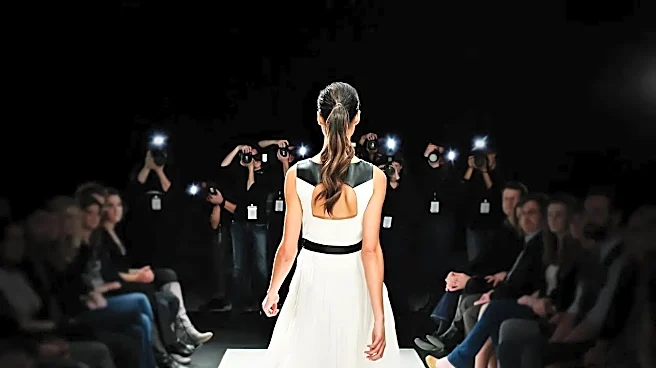
When the British Fashion Council (BFC) launched the first official London Fashion Week in 1984, the goal was simple: create a centralized platform for British designers to sell their collections to international buyers and media. For years, it operated
like its counterparts in Paris, Milan, and New York—as a strictly-business trade show. Shows were held in modest venues, and access was limited to industry professionals who wrote orders and reviews. The primary purpose was commerce, establishing a biannual marketplace where the business of fashion happened behind closed doors.
The Creative Rebellion: A Stage for Raw Talent
London's transformation began not with a business plan, but with a creative rebellion. Unlike the more established and polished fashion weeks, London developed a reputation for nurturing raw, experimental talent. Visionary and often provocative designers like Vivienne Westwood, John Galliano, and Alexander McQueen used the platform for theatrical, boundary-pushing presentations that were more art than commerce. Shows like McQueen's 1995 "Highland Rape" or his 1999 finale where robots spray-painted a model's dress cemented LFW's identity as the home of the avant-garde. It became clear that London's unique selling proposition wasn't just well-made clothes, but world-changing ideas. The BFC leaned into this, creating programs like NEWGEN to formally support and fund the next generation of rule-breakers.
The Digital Disruption: Opening the Doors to the World
The next major shift was technological. As the internet and social media democratized information, the idea of a closed-door fashion event became increasingly obsolete. London was a pioneer in embracing this change. In 2010, it became the first of the 'Big Four' fashion weeks to live-stream its shows, opening the front row to anyone with an internet connection. This digital-first approach accelerated over the years, especially during the 2020 pandemic, which saw LFW pivot to a fully hybrid physical-digital model. The official LFW digital platform now offers free access to shows, interviews, and immersive content, effectively turning a trade event into global public programming.
More Than Clothes: A City-Wide Cultural Festival
Today, London Fashion Week is barely recognizable as the simple trade gathering it once was. It has become a sprawling, city-wide cultural event. The official schedule now runs alongside a huge program of public-facing activities, from retail pop-ups and designer Q&As to art installations and exhibitions. The event is now a platform for cultural and social commentary, leading conversations on sustainability, diversity, and ethics. For example, LFW was the first major fashion week to ban the use of fur and exotic skins from its runways. It has also become a stage for celebrating the diverse cultures that shape Britain, from showcasing immigrant stories to highlighting the influence of Black, South Asian, and queer culture on the industry. It's no longer just about selling clothes; it's about defining the cultural zeitgeist.