



Your Skin Is the Secret Ingredient
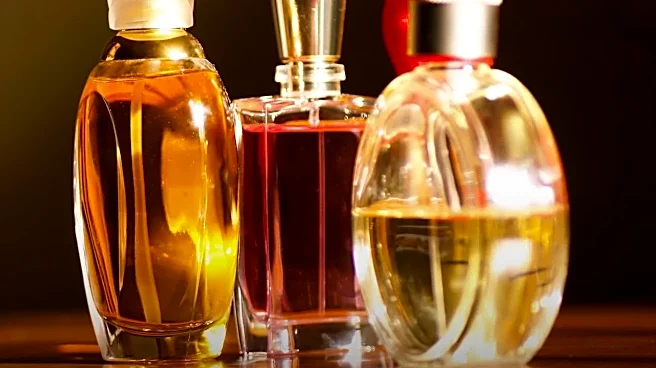
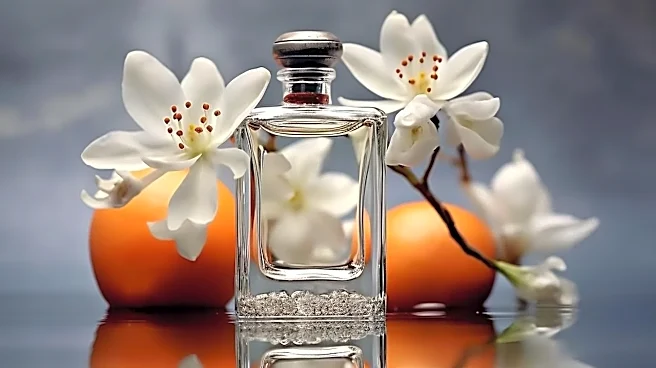
The primary reason a single fragrance, whether it's a cult classic or a niche scent from La Collection Privée, smells unique on you is simple: your skin is the final, unlisted ingredient. A perfume isn't a static liquid that just sits on you; it's a dynamic
composition that comes to life when it interacts with your body. Think of it as a collaboration. The perfumer provides the formula, but your skin directs the performance. This interaction is influenced by a handful of personal factors that make the scent uniquely yours.
The Chemistry of You: pH and Oil
At a microscopic level, your skin has a specific pH level, meaning it's naturally slightly acidic or more alkaline. This can subtly alter the way fragrance molecules break down and develop. More acidic skin might sharpen citrus or floral notes, while oilier skin types tend to hold onto fragrance for longer. The natural oils, or sebum, on your skin can capture and retain scent molecules, often making the fragrance last longer and smell more intense. Conversely, dry skin may cause a scent to evaporate more quickly, requiring more frequent application.
The Warmth Factor
Body temperature plays a huge role in a perfume's projection—the distance it radiates from your skin. Warmer skin accelerates the evaporation of fragrance molecules, particularly the volatile top notes. This is why you apply perfume to pulse points like the wrists and neck, where blood vessels are closer to the surface. If you naturally run warm, a fragrance will seem to bloom more quickly and intensely, but it might also mean the scent's journey from top notes to base notes is faster, shortening its overall wear time. Colder skin, on the other hand, slows everything down, making for a more intimate and longer-lasting scent experience.
Hormones, Diet, and Lifestyle
What's happening inside your body also affects what happens on your skin's surface. Hormonal fluctuations, such as those during a menstrual cycle, pregnancy, or menopause, can alter your body chemistry enough to change how a perfume smells on you from one week to the next. Stress, which triggers the release of cortisol, can also impact your natural scent by increasing sweat and oil production. Even your diet can play a part; certain foods like spices, garlic, and onions can subtly affect your body's natural odor, which in turn mingles with your chosen fragrance.
The Artistry in High-End Perfumery
This variability isn't a flaw; it's part of the magic, especially with sophisticated lines like Dior's La Collection Privée. These fragrances are often built with complex structures and high-quality, precious raw materials. They are designed with the knowledge that they will be personalized by the wearer. The intricate layers of top, middle, and base notes are meant to unfold and interact with the skin's warmth and chemistry. A scent like the popular Gris Dior, with its blend of moss and rose, isn't designed to be a monolithic block of scent but a story that evolves differently on every individual. This is what transforms a beautiful fragrance into a true signature scent.