


The Risk of Irritation and Allergies
The primary concern with face adhesives is contact dermatitis, a type of skin reaction that can cause redness, itching, and even blisters. This can happen for two reasons: an allergic reaction to a chemical in the glue itself, or simple mechanical irritation
from the adhesive pulling on delicate facial skin. Ingredients like latex, formaldehyde-releasing preservatives, fragrances, and certain acrylates are common culprits behind allergic reactions. The skin on your face is often more sensitive than on other parts of your body, making it more susceptible to irritation.
Choose Your Adhesive Wisely
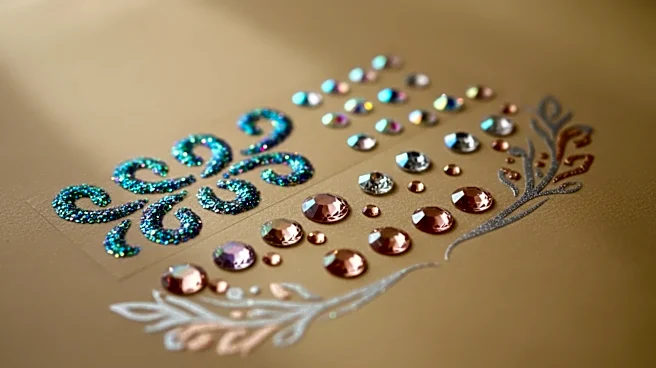
Not all glues are created equal, and what works for a craft project is not safe for your skin. Dermatologists urge users to exclusively choose cosmetic-grade or medical-grade adhesives. Look for products labeled "hypoallergenic," "skin-safe," or specifically designed for bonding items to skin. Eyelash glue is a common and generally safer choice for lightweight gems. For a stronger hold, spirit gum is an option, but be aware it often requires a specific remover to take off safely. Always avoid industrial glues and check ingredient lists for common allergens like natural rubber latex if you have sensitivities.
The Patch Test is Non-Negotiable
Before you commit to a full-face design, a patch test is essential. This simple step can prevent a widespread allergic reaction. Apply a small amount of the adhesive to a discreet area of skin, like behind your ear or on your inner arm. Wait at least 24 to 48 hours and check for any signs of redness, swelling, or itching. If your skin reacts, do not use the product on your face. Even if a product is labeled as hypoallergenic, it's always better to test it first, as individual sensitivities vary greatly.
Prep Your Skin Like a Pro
Proper skin preparation is key to making adhesives stick without causing problems. Start with a clean, dry face. Any oil, moisturizer, or foundation on the skin can interfere with adhesion and make the gems more likely to fall off. Some makeup artists recommend cleaning the specific spots where you plan to place gems with a cotton swab and a bit of micellar water or alcohol to ensure the surface is completely free of oils. This creates a clean canvas for the adhesive to bond to, providing a more secure hold.
Wear Time Matters
Face adhesives are for temporary wear. Experts advise against wearing them for extended periods, and you should never sleep in them. The longer an adhesive is on your skin, the higher the risk of clogged pores leading to breakouts, as well as prolonged pressure and occlusion that can cause irritation. Think of it as a fun accessory for an event, not a multi-day commitment. Give your skin a break to breathe and recover between applications.
The Art of Gentle Removal
Ripping adhesives off your face is a recipe for skin trauma. The key to safe removal is to dissolve the glue first. An oil-based cleanser or a simple household oil like olive or coconut oil can work well. Apply the oil and let it sit for a few minutes to soften the adhesive before gently wiping or peeling it away. Another effective option is using a dedicated adhesive remover, especially for stronger glues like spirit gum. Avoid using harsh solvents like rubbing alcohol if possible, as it can be very drying, especially on the face. If any sticky residue remains, use a soft cloth with more oil or a gentle cleanser to remove it.