

The Fabric Face-Off
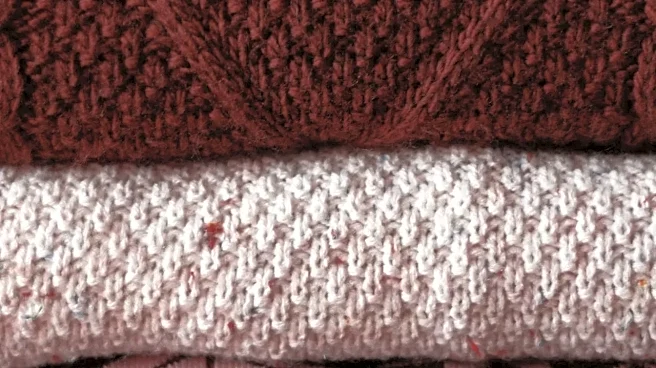
The most immediate difference between a mid-range and a premium bodycon dress is the feel of the fabric. A lower-priced dress, typically from a fast-fashion or mall brand, is often made from a thin, single-layer polyester-spandex blend. This material
offers stretch, but it can also be unforgiving. It may feel slightly synthetic or even waxy against the skin and often lacks breathability, which can become uncomfortable in warmer conditions. Because the knit is less dense, it might become semi-sheer when stretched over the body's curves. In contrast, a premium bodycon is built from more substantial, sophisticated materials. You'll find heavier-weight knits, often using rayon (like viscose or modal) blended with nylon and elastane. These fabrics have a softer, silkier feel and superior drape, allowing the dress to skim the body rather than just shrink-wrapping it. Viscose is more absorbent and breathable than polyester, making it far more comfortable for extended wear. Many premium brands also use double-faced or bonded fabrics, which provide structure and opacity, ensuring a smooth finish without needing extra shapewear.
The Story in the Seams
A dress's construction tells a story about its quality, and this is where premium brands pull away. Mid-range bodycon dresses are often made with maximum efficiency in mind. This translates to simpler cuts—sometimes little more than a tube of fabric—with basic overlocked or serged seams. These can be bulky and are more likely to pucker or even unravel after a few washes. The overall fit is generic, designed to stretch to accommodate a shape rather than being engineered to create one. A premium dress, however, is built with intention. Look for 'fully fashioned' construction, where panels are knitted to shape before being linked together. This technique, common in high-quality knitwear, results in flatter, more durable seams and a superior fit. You'll also see more complex paneling and darts strategically placed to sculpt the waist, support the bust, and contour the hips. This architectural approach is what creates that coveted smooth, held-in feeling. Details like invisible zippers and cleanly finished hems further signal a garment built to last.
The Longevity Question
This brings us to the ultimate question: is the higher price worth it? The answer often lies in the concept of "cost-per-wear." A mid-range bodycon might be perfect for a single night out or to test a fleeting trend. However, its lifespan is often short. The thinner fabric is more prone to pilling, losing its shape, and fading in the wash. After a few wears, that perfect fit can become a saggy disappointment. A premium bodycon is an investment piece. The superior materials and construction mean it's built for longevity. It will resist pilling, hold its shape after washing, and maintain its color vibrancy. While the upfront cost is higher, a dress you can confidently wear for years will often have a lower cost-per-wear than a cheaper alternative you have to replace. It’s the difference between a garment designed for a season and one designed for a wardrobe.
The Verdict: When to Save and When to Splurge
There's a place for both types of dresses in a modern wardrobe. If you're experimenting with a bold color or a dramatic cutout style that might feel dated by next year, a mid-range option makes perfect sense. It gives you access to the trend without a major financial commitment. These dresses are the fun, fleeting flings of your closet. However, if you're looking for a timeless, foundational piece—like a classic black or neutral bodycon that can be styled for work, dates, and events for years to come—splurging on a premium brand is the smarter choice. The superior fit will boost your confidence, the quality fabric will feel more luxurious, and its durability makes it a more sustainable and economical choice in the long run. This is your wardrobe's long-term relationship; it’s reliable, supportive, and always makes you feel your best.