




More Than Billboards and Banners
For years, marketing was a one-way street. Studios and publishers bought ads and hoped for the best. An event like New York Comic Con, which draws hundreds of thousands of attendees, has evolved far beyond that. It’s a living, breathing focus group of a company's
most dedicated consumers. Brands have learned that simply showing a trailer isn't enough. The modern approach is participatory, turning passive viewers into active community members. This is the core of the shift: don't just advertise to fans, build a space for them. The goal is to foster a sense of belonging that online communities can't fully replicate, creating personal and immersive experiences. This transforms marketing from a disruptive ad into a welcome event.
The Panel as a Live Focus Group
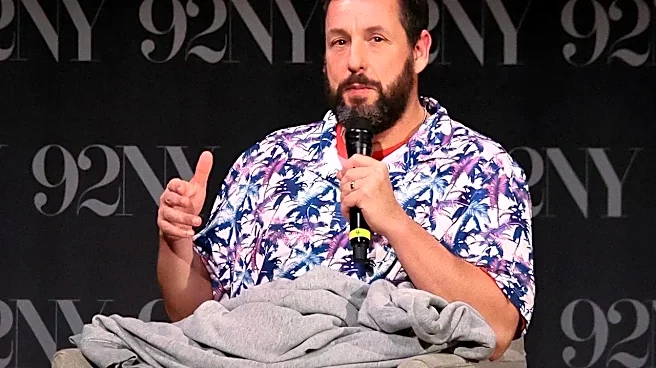
Nowhere is this more obvious than in the panel rooms. A major movie or TV show panel in the main hall is, on its surface, a preview. But it’s also invaluable market research. When a surprise cast member walks on stage or an unexpected plot point is revealed, the immediate, deafening roar of the crowd is a more honest and useful metric than any online poll. The audience Q&A sessions are just as critical. Here, creators and executives get direct, unfiltered feedback from the people who care most about their properties. These interactions provide insights into what storylines are resonating, which characters fans love, and what they hope to see next. It’s a level of direct engagement that can shape creative and marketing decisions for months to come.
The Booth as a Clubhouse
On the show floor, the most successful booths aren't just retail outlets; they are interactive destinations. Brands like Marvel, DC, and major gaming companies create elaborate “activations”—immersive experiences that let fans step into the worlds of their favorite properties. These might include photo ops on a replica set, demos of an unreleased game, or meet-and-greets with artists and writers. By offering these unique, in-person moments, companies are building brand loyalty that feels personal. It’s community management in its most direct form: making fans feel seen, rewarded, and part of an exclusive club. Increasingly, these activations are also a way for companies to collect valuable first-party data in a world where other forms of tracking are becoming restricted.
The Currency of Exclusivity
The long lines snaking through the Javits Center are often for one thing: exclusives. Limited-edition comics, toys, and merchandise available only at NYCC are a powerful tool. They do more than just generate revenue; they create a sense of urgency and reward the most dedicated fans who make the pilgrimage to the event. This strategy transforms a simple purchase into a status symbol and a tangible memory of the experience. Giving attendees something they can't get anywhere else reinforces their identity as super-fans and incentivizes them to share their haul online, generating organic buzz that money can't buy. The physical experience of the con feeds digital engagement, creating a cycle of excitement that builds momentum for the next big release.