
Depth Over the Viral Medley
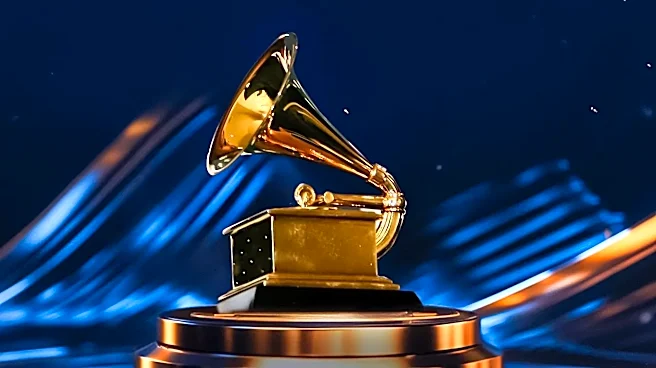
Mainstream awards shows like the Grammys and VMAs have a problem: they’re chasing moments, not celebrating legacies. Their performances are often compressed into frantic, three-minute medleys designed for maximum social media chatter. An artist’s entire
career is reduced to a 30-second snippet of four different hits, leaving no room for nuance or emotional weight. In contrast, events like the BET Awards or the classic VH1 Hip Hop Honors build their tributes with intention. They give the music space to breathe. Instead of a rapid-fire highlight reel, you get a curated journey. Performers tackle whole verses and choruses, reminding the audience of an artist’s storytelling power and musical evolution. This format respects the art, treating songs as complete works rather than just catchy, interchangeable hooks.
For the Culture, By the Culture
Authenticity is the key ingredient missing from so many major awards show performances. A primetime tribute might feature a trendy pop star covering a classic, but the connection often feels manufactured—an assignment from a producer. Hip hop honors, however, operate from a place of genuine reverence. The performers are frequently artists who were directly inspired by, mentored by, or came up alongside the honoree. When Teyana Taylor paid tribute to Lil' Kim, she didn't just wear a similar outfit; she channeled Kim’s exact energy and mannerisms, creating a performance that was an act of deep study and respect. This isn’t just a booking; it’s a passing of the torch. The love and admiration are palpable because the performers have a personal stake in preserving the legacy they’re celebrating. It feels less like a gig and more like a family reunion.
Storytelling, Not Just Spectacle
While mainstream shows focus on spectacle—pyrotechnics, elaborate choreography, and surprise guests for shock value—the best hip hop tributes prioritize storytelling. They use a combination of performers to tell a multi-act story about the honoree's impact. The 2023 BET Awards, for instance, celebrated 50 years of hip-hop by weaving together different eras and sounds, creating a living narrative of the genre's evolution. Tributes to legends like DMX or Nipsey Hussle on the BET stage have functioned as both celebration and collective mourning, allowing the audience to process a legacy in real-time. These performances aren’t just about recreating hits; they're about contextualizing them and honoring the cultural space they occupy. The emotional payoff comes from understanding the journey, not just seeing the flashy destination.
The Irreplaceable Reaction Shot
Perhaps the most powerful element of a great tribute show is the reaction of the honoree. Seeing Queen Latifah, Missy Elliott, or Busta Rhymes watch their life’s work performed by their peers and artistic descendants is profoundly moving. Those shots of artists in the audience, misty-eyed or rapping along to every word, provide an emotional anchor that a standard performance can never replicate. It transforms the performance from a one-way broadcast into a shared, communal experience. Mainstream awards shows often feel like a series of disconnected segments, but a tribute performance creates a powerful feedback loop between the stage and the audience. It’s a moment of seeing a legend receive their flowers while they can still smell them, and that validation feels more real and satisfying than any award could.